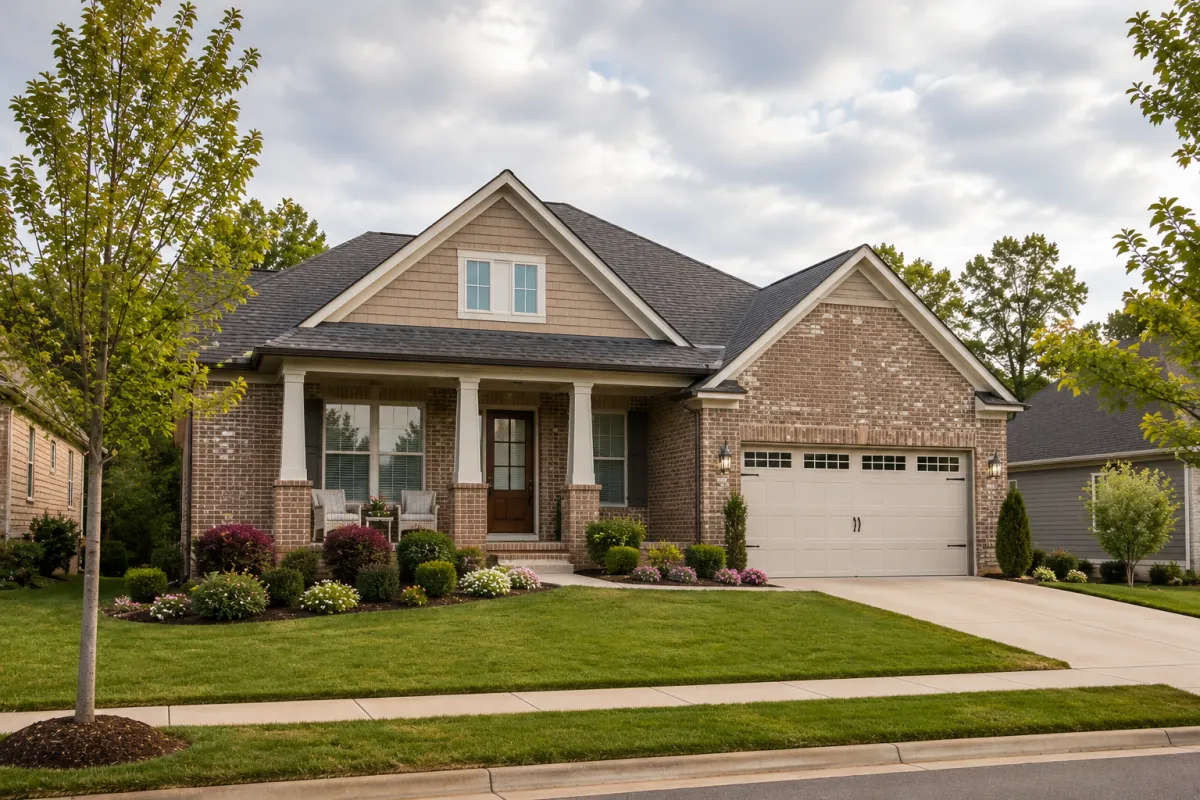
Resale Value vs Personal Lifestyle in Greenville, South Carolina: What Should Buyers Think About First?
At First Glance
One of the most common questions buyers ask themselves during the home search is whether they should prioritize resale value or focus on finding a home that fits their lifestyle.
The honest answer is that most buyers don't need to choose one or the other.
A home that genuinely supports your daily life often has characteristics that future buyers will appreciate as well.
The challenge is that many first-time buyers in Greenville start feeling pulled in two different directions.
Part of them wants to make a smart long-term decision.
The other part wants to find a home they can actually enjoy living in.
That's where things can start to feel overwhelming.
Why This Matters
After buyers begin thinking about resale value, another layer of uncertainty often appears.
They start wondering if every decision should be based on what future buyers might want.
Questions begin popping up during tours.
Should we avoid this house because the backyard is smaller?
Should we choose a different floor plan because it might have better resale value?
Should we skip the home we love because another one seems safer?
Something that can surprise buyers is how quickly the search can stop being about their own life and start becoming about an imaginary future buyer.
Of course, resale value matters.
Most people don't buy a home expecting to stay there forever.
Life changes.
Jobs change.
Families grow.
Priorities evolve.
But a home is also where daily life happens.
It's where mornings begin.
It's where dinners are cooked.
It's where routines develop and memories are made.
That's especially true in many of Greenville's newer communities where builders have intentionally designed homes around modern lifestyles.
Beautiful kitchens, open-concept gathering spaces, natural light, flexible rooms, and inviting outdoor areas are popular because people genuinely enjoy living with those features.
The goal isn't choosing between resale value and lifestyle.
The goal is understanding how they often work together.
A Real Moment During the Buying Process
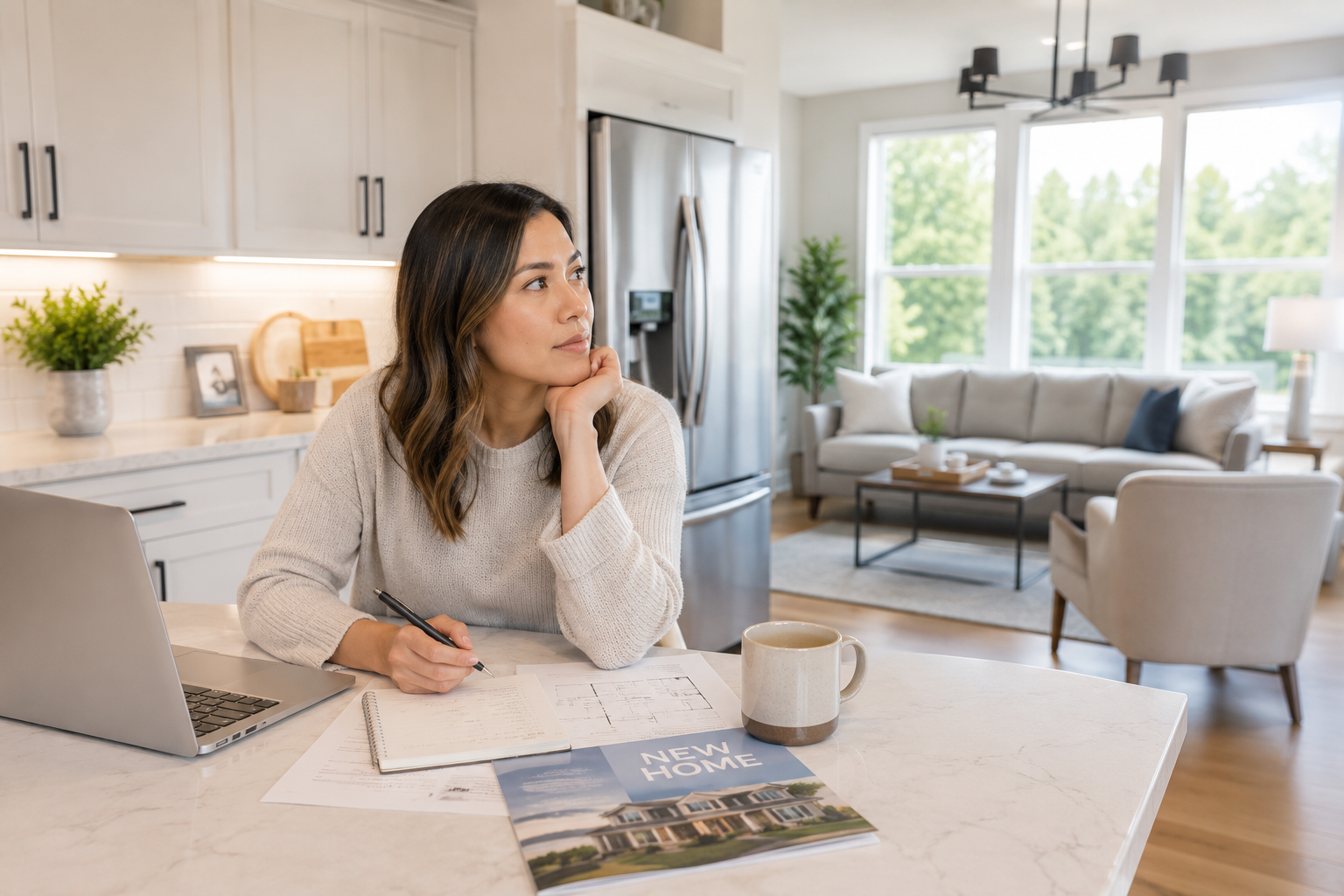
A first-time buyer touring newer homes in Greenville recently found herself stuck between two very different options.
The first home seemed like the practical choice.
Friends kept telling her it would probably have strong resale appeal.
The second home wasn't dramatically different, but something about it felt right.
The layout flowed naturally.
The kitchen felt inviting.
The windows filled the home with natural light.
There was a flexible room that could work as an office, hobby space, or future guest room.
As she stood in the living room, she quietly said:
"I just want to feel confident about the decision."
At first, she assumed the answer was figuring out which home would sell for more someday.
But as the conversation continued, another realization started to emerge.
She wasn't planning to sell the house tomorrow.
She was planning to live there.
She started thinking about weekday mornings.
She imagined where she would work from home.
She pictured cooking in the kitchen and relaxing in the living room after work.
The more she thought about everyday life, the more she realized something important.
A home can have excellent resale potential and still be chosen because it fits the way you want to live.
What Can Help
If you're trying to balance resale value and lifestyle, it can help to simplify the process.
Instead of asking which factor matters more, consider how both work together.
Ask How the Home Supports Daily Life
Beautiful design features naturally attract attention.
That's not a bad thing.
The key is looking beyond first impressions.
Consider:
• How the kitchen functions during everyday use
• Whether storage feels practical
• How natural light affects the space
• Whether the layout supports your routines
• How comfortable the home feels after the excitement wears off
Think About Broad Appeal
Many buyers find it helpful to ask:
"If I enjoy this feature, might other buyers enjoy it too?"
Flexible layouts, thoughtful storage, welcoming outdoor spaces, and functional floor plans often appeal to a wide range of people.
Avoid Trying to Predict Everything
No one can perfectly predict future buyer preferences.
Markets evolve.
Communities grow.
Trends change.
Trying to forecast every possibility can create unnecessary stress.
Focus on Balance
Many successful home-buying decisions happen when buyers balance:
• beauty and functionality
• emotion and logic
• lifestyle and future flexibility
• excitement and clarity
Once buyers stop viewing resale value and personal lifestyle as competing priorities, many begin recognizing that the homes they feel most confident about often share something important in common. They simply feel like smart long-term choices.
Common Things That Trip Buyers Up
• Believing resale value should outweigh every other consideration
• Ignoring how the home will actually function day to day
• Assuming future buyers will think exactly like they do
• Becoming overly focused on market predictions
• Feeling guilty about loving certain design features
• Treating the decision like a financial calculation instead of a lifestyle choice
• Forgetting that they may live in the home for many years
FAQ
Should resale value matter when buying a home?
Yes, many buyers consider resale value. However, it is usually most helpful when balanced with how well the home supports your life.
Is it okay to buy a home because I love it?
Absolutely. Emotional connection is part of the home-buying process. The goal is simply to pair that connection with thoughtful evaluation.
Do newer homes often have good resale appeal?
Many buyers are attracted to newer homes because of modern layouts, functional living spaces, energy efficiency, and updated design features.
Can a lifestyle-focused decision still be financially responsible?
Yes. Many homes that support everyday living also contain features that future buyers appreciate.
Final Thoughts
Many first-time buyers in Greenville worry that choosing a home they love could somehow conflict with making a smart long-term decision.
In reality, those goals often overlap.
The homes that support daily life well are frequently the same homes that remain attractive over time.
Beautiful kitchens, natural light, thoughtful layouts, practical storage, and flexible spaces aren't simply attractive today. They often continue providing value long after move-in day.
The goal isn't choosing resale value or lifestyle.
The goal is finding a home where both can exist together.
This article is for general informational purposes only.
Work With Charlene
Charlene Vandaele is a real estate agent with Fathom Realty in Greenville, South Carolina helping first-time home buyers navigate new construction and newer homes with clarity and confidence.
864-345-9076
Quick Recap
• Resale value and lifestyle do not have to compete with each other
• A home should support both daily living and future flexibility
• Functionality often matters as much as appearance
• Many buyers benefit from focusing on balance instead of prediction
• The best home decisions often combine beauty, practicality, emotion, and logic