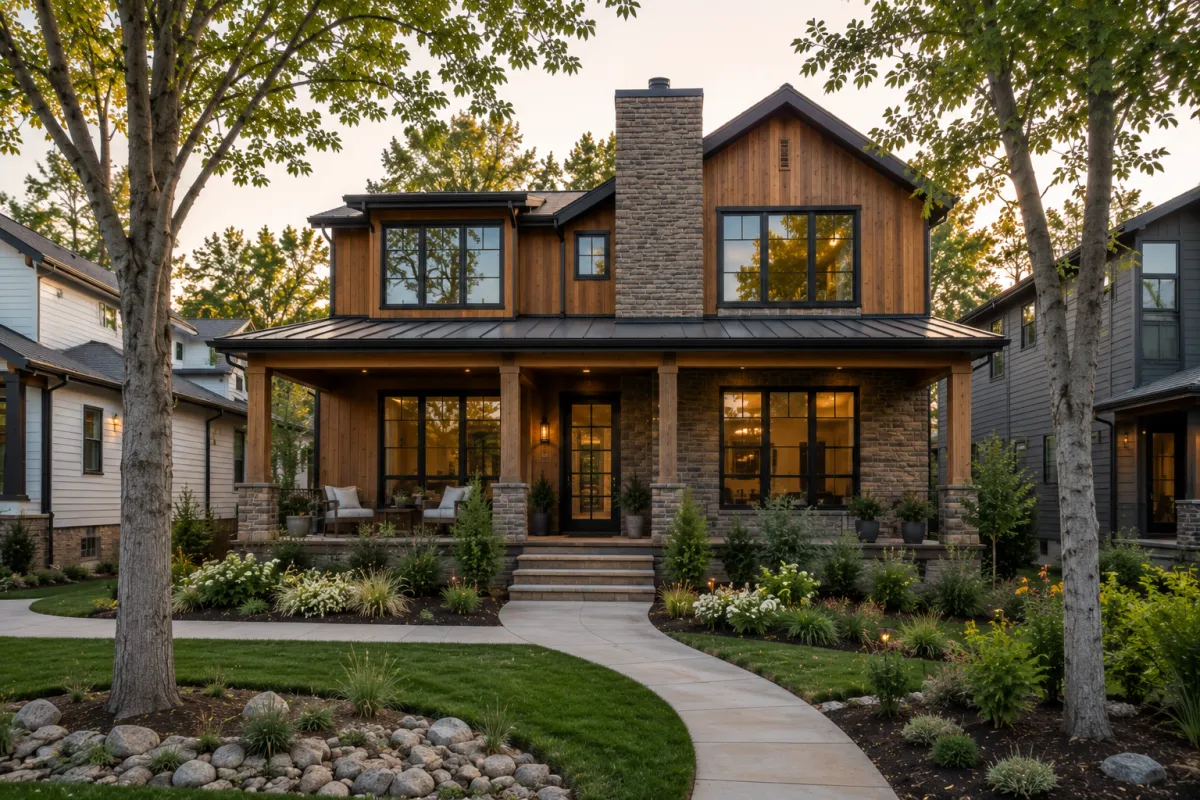
How Can Your Home Reflect the Way You Want to Live Five Years From Now?
At First Glance
During a model home tour near Greenville, I noticed something that's becoming more common in new construction.
Many builders are including flexible spaces that don't have just one purpose.
One room might be a home office today, a hobby room next year, and a guest room later on. That simple design choice reminded me that the best homes aren't always designed only for today—they're designed to adapt as life changes.
That's why it's helpful to think beyond moving day and ask whether a home can continue supporting the life you hope to build over the next several years.
Why This Matters
Life rarely stays the same.
Work schedules change.
Hobbies evolve.
Family needs shift.
Even the way you spend time at home may look very different five years from now than it does today.
While no one can predict the future, choosing a home with adaptable spaces can make those changes easier to navigate.
Instead of asking whether every room has a specific purpose today, it may help to ask how easily those spaces could evolve with you.
A Real Moment During the Buying Process
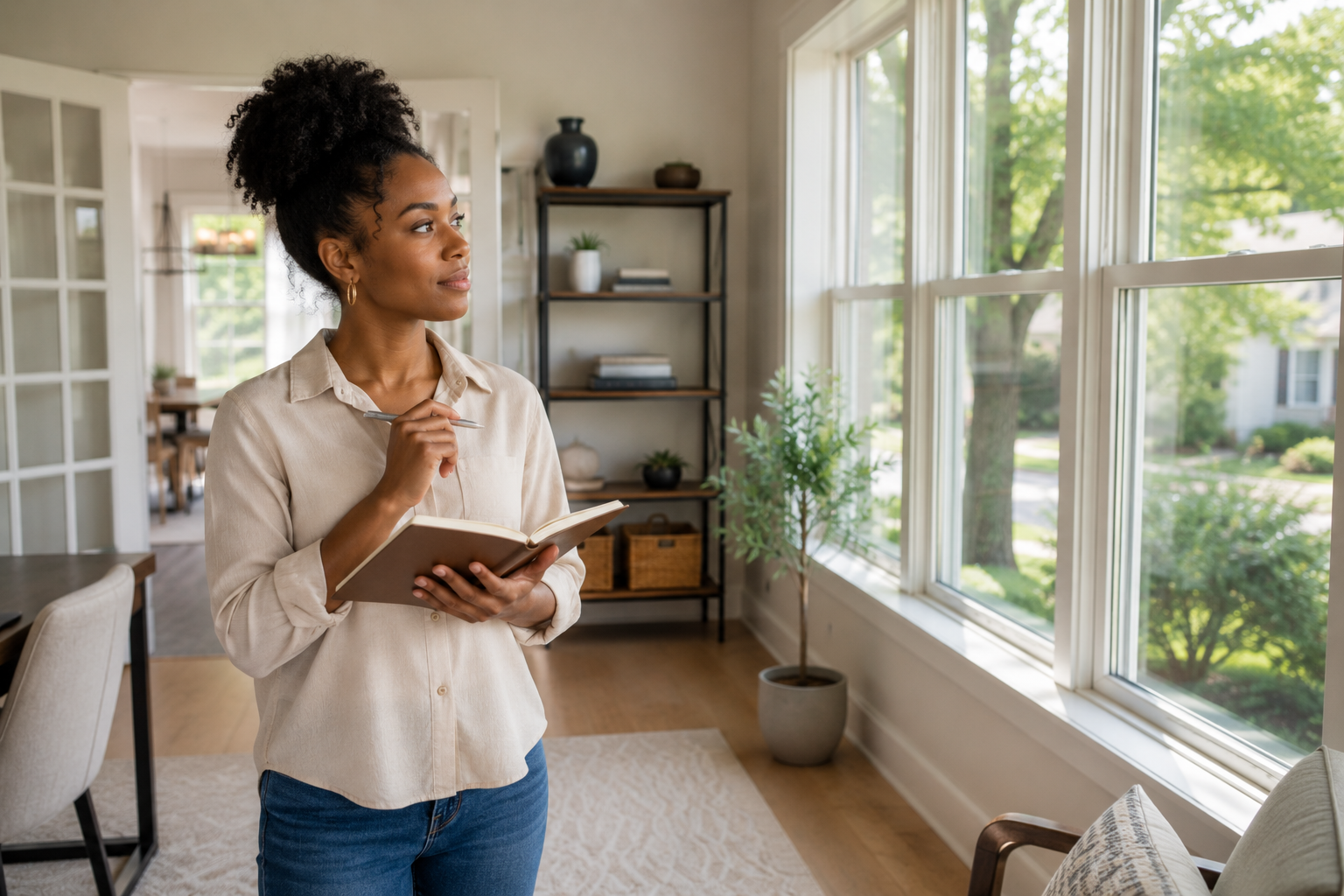
As I walked through one floor plan, I found myself looking beyond the furniture staged in each room.
Instead of seeing a designated office or flex room, I started imagining different possibilities.
Could it become a quiet reading space?
A craft room?
A workout area?
A guest room when family visits?
The room itself hadn't changed.
What changed was the way I thought about its potential over time.
What Buyers May Want to Notice
Look for Flexibility Instead of Perfection
A room doesn't have to serve only one purpose forever.
Some of the most valuable spaces are the ones that can change as your routine changes.
A flexible layout often gives you more options without requiring major renovations later.
Think About Everyday Life Five Years From Now
No one knows exactly what life will look like in five years.
Still, it can be helpful to imagine a few possibilities.
Will you spend more time working from home?
Could you take up a new hobby?
Would you simply appreciate a quiet place to relax?
Thinking this way can help you evaluate whether a home's layout will continue serving you over time.
Builders Create Blank Canvases
One observation I keep coming back to is that builders create the foundation.
Homeowners bring the personality.
A flexible room doesn't tell you how to live.
It gives you the freedom to decide.
That's often what makes a house continue feeling like home as life changes.
As you imagine how a home could grow and change with you, it's worth remembering why builders offer so many different floor plans in the first place.
Different seasons of life call for different spaces, and the right home is often the one that fits where you are now while giving you room to grow.
misscharrealestate.com/post/why-do-builders-design-different-homes-for-different-seasons-of-life
Common Things That Can Complicate the Decision
* Focusing only on how you'll use the home today.
* Assuming every room must have one permanent purpose.
* Overlooking flexible spaces because they aren't fully defined.
* Expecting life to stay exactly the same after moving in.
Frequently Asked Questions
What is a flex space in a home?
A flex space is an area that can serve different purposes depending on your needs, such as a home office, hobby room, guest room, or reading space.
Should I buy a home based only on my current lifestyle?
Your current needs are important, but it can also help to consider how the home's layout may support changes over the next several years.
Why are builders including more flexible rooms?
Many buyers appreciate homes that can adapt as work, hobbies, and daily routines change over time.
Can a flexible layout make a home feel more useful?
For many buyers, yes. Spaces that can evolve often remain functional through different seasons of life.
Charlene's Observations
One thing I keep coming back to is that the most thoughtful homes don't try to predict your future.
They simply give you room to grow into it.
Walking through homes with flexible spaces reminded me that builders create blank canvases. The people who live there decide how those spaces will reflect their lives over time, and that's part of what makes a house feel personal.
This article is for general informational purposes only.
Work With Charlene
Charlene Vandaele is a real estate agent with Fathom Realty in Greenville, South Carolina helping first-time home buyers navigate new construction and newer homes with clarity and confidence.
864-345-9076
Quick Recap
* Flexible spaces allow a home to adapt as your life changes.
* Think beyond moving day and consider the next five years.
* Builders create blank canvases that homeowners personalize over time.
* The best home is one that continues supporting the life you're building.