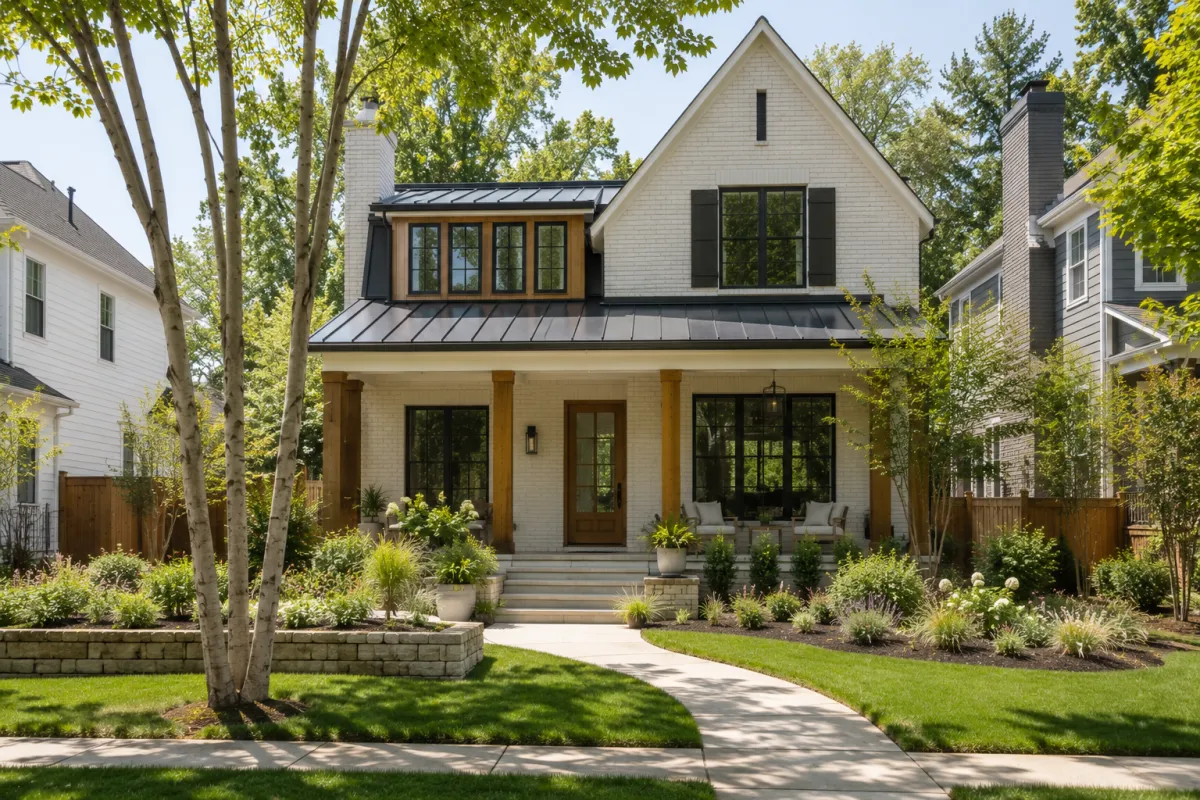
Why Do Builders Design Different Homes for Different Seasons of Life?
At First Glance
During a model home tour near Greenville, I noticed something that made me stop and think.
Within the same community, there were homes designed for buyers just getting started and others designed for people looking for more room as their lives changed.
It wasn't about one home being better than another.
It was about recognizing that people don't all need the same things at the same stage of life.
That observation reminded me that builders often create a variety of floor plans because buyers have different routines, priorities, and goals. A home that feels perfect today may not be the right fit for someone in a different season of life—and that's perfectly okay.
Why This Matters
When buyers compare homes, it's easy to focus on square footage or the number of bedrooms.
Those details certainly matter.
But the better question may be:
"What kind of life is this home designed to support?"
Someone buying their first home may appreciate a layout that's easy to maintain.
Someone who needs additional space may have completely different priorities.
Neither home is more successful than the other.
They simply support different ways of living.
Understanding that can make it easier to evaluate homes based on your own needs instead of someone else's.
A Real Moment During the Buying Process

As I walked through the community, I found myself imagining how different buyers might experience the same neighborhood.
One person might be excited about having a manageable amount of space while learning what homeownership feels like.
Another might be looking for additional room because their daily routines have changed.
The conversation wasn't about choosing the biggest home.
It was about recognizing which floor plan best supported the life each buyer wanted to build.
What Buyers May Want to Notice
Think About Today First
It's natural to think about future possibilities.
But it's also important to ask how well the home fits your current routine.
Does the layout support the way you live today?
Can you picture yourself enjoying ordinary weekdays there?
Different Layouts Solve Different Problems
A smaller home isn't simply a smaller version of a larger one.
Likewise, a larger home isn't automatically a better choice.
Different floor plans are often designed to support different lifestyles, storage needs, routines, and ways of using space.
The goal is finding the layout that feels comfortable for you.
A Home Should Support Your Season of Life
Life changes over time.
Your needs may change too.
When touring homes, it may help to ask whether the home feels like a good fit for the season you're in right now, while also considering how it may support you over the next several years.
That perspective often leads to more thoughtful decisions.
Seeing a builder offer homes for different stages of life naturally leads to another realization.
Even when a floor plan looks perfect online, you don't really know how it fits your life until you experience it in person.
misscharrealestate.com/post/why-do-buyers-sometimes-change-their-minds-after-seeing-a-home-in-person
Common Things That Can Complicate the Decision
* Assuming larger homes are always the better choice.
* Comparing your needs to someone else's.
* Focusing on square footage more than daily routines.
* Forgetting that every season of life brings different priorities.
Frequently Asked Questions
Why do builders offer so many different floor plans?
Builders often create a variety of homes because buyers have different lifestyles, priorities, and space requirements.
Should I buy a home based on future possibilities?
It may help to consider the future, but it's equally important to choose a home that supports the way you live today.
Does a first-time buyer need a smaller home?
Not necessarily. The best choice depends on your lifestyle, goals, and how you plan to use the space.
How do I know which home fits my season of life?
Picture your everyday routine and ask which layout would make ordinary days feel comfortable and practical.
Charlene's Observations
One thing I keep coming back to is that no single floor plan is right for everyone.
Walking through a community with homes designed for different stages of life reminded me that buying a home isn't about keeping up with anyone else. It's about recognizing which space fits the life you're living today while giving you room to enjoy the next chapter when it arrives.
This article is for general informational purposes only.
Work With Charlene
Charlene Vandaele is a real estate agent with Fathom Realty in Greenville, South Carolina helping first-time home buyers navigate new construction and newer homes with clarity and confidence.
864-345-9076
Quick Recap
* Builders often design different homes for different lifestyles and life stages.
* Focus on how a floor plan supports your everyday routine.
* Bigger isn't always better—the right fit is personal.
* Choose a home that supports the life you're building today while considering tomorrow.