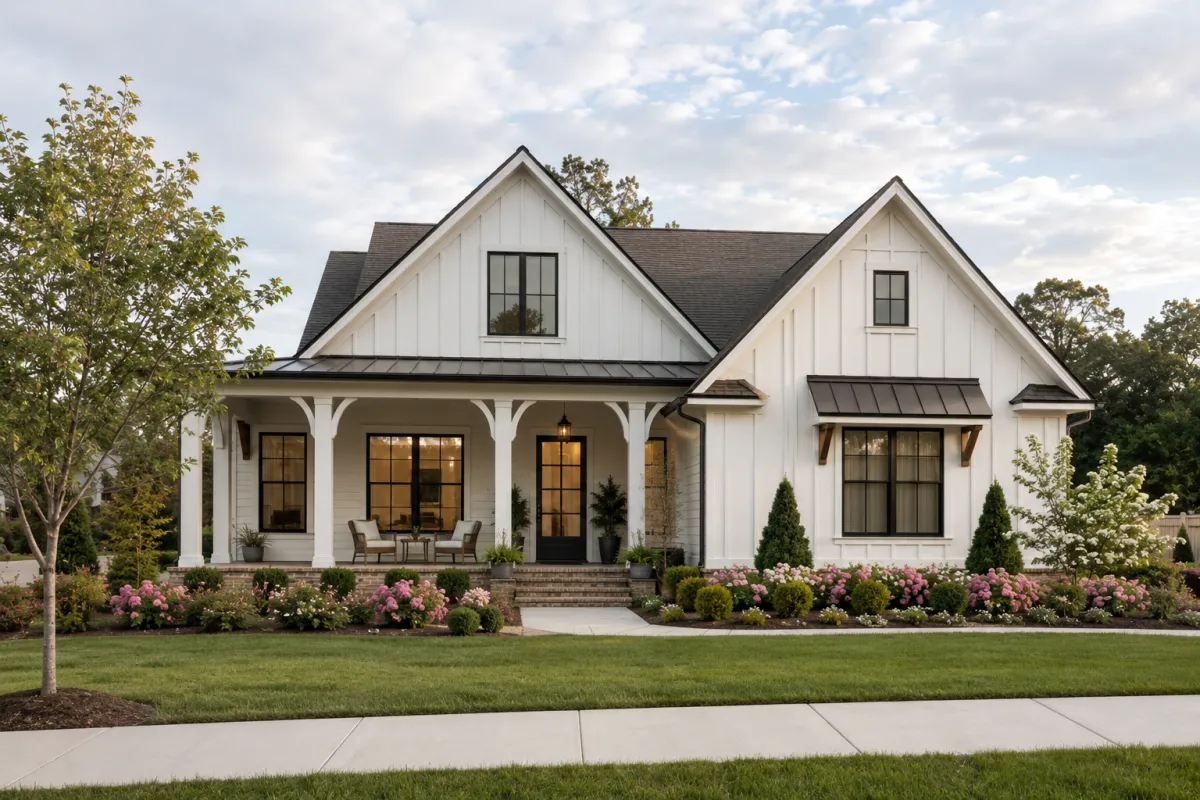
Why Should Buyers Never Assume a Smaller Household Needs a Smaller Home?
At First Glance
One observation kept coming back to me while I was touring new construction homes around the Greenville, South Carolina area.
It had nothing to do with granite countertops, luxury bathrooms, or oversized kitchens.
It had to do with who the home was actually designed for.
During one visit, I found myself thinking about a buyer who lived alone. At first glance, it might seem logical that a single person would automatically need a smaller home. But as I walked through the floor plan, I realized that assumption didn't tell the whole story.
This particular buyer loved spending time outdoors with their dogs. They worked from home several days each week. They wanted room for visiting family. They also hoped to stay in the home for many years rather than moving again after a short time.
Suddenly, the larger floor plan didn't seem excessive.
It seemed intentional.
That reminded me that choosing a home isn't really about matching the number of bedrooms to the number of people living there.
It's about understanding how someone actually wants to live.
Sometimes a smaller household genuinely needs more space.
Sometimes a larger household is perfectly happy with less.
The number of people living in a home is only one small piece of the puzzle.
---
Why This Matters
It's easy to fall into the habit of making quick assumptions while touring homes.
One person?
They probably need a smaller floor plan.
Two people?
Maybe a little more room.
A growing family?
Now we're looking at larger homes.
Those assumptions feel reasonable because they're simple.
Life usually isn't.
A buyer's daily routine often tells us much more than household size ever could.
Someone who works remotely may value a dedicated office.
Someone who enjoys woodworking, painting, sewing, or music may appreciate flexible space for hobbies.
A frequent host may want a guest bedroom that rarely gets used but feels invaluable when family visits.
Pet owners may prioritize larger yards, mudrooms, or extra storage for supplies.
Another buyer may simply enjoy having quiet spaces to read, relax, or recharge.
None of those needs are determined by how many people sleep in the home each night.
They're determined by everyday life.
One of the reasons I enjoy touring model homes is because they encourage me to ask questions beyond square footage.
Instead of asking,
"How many people live here?"
I find myself asking,
"What happens here on an ordinary Tuesday?"
That question usually tells a much richer story.
---
A Real Moment During the Buying Process
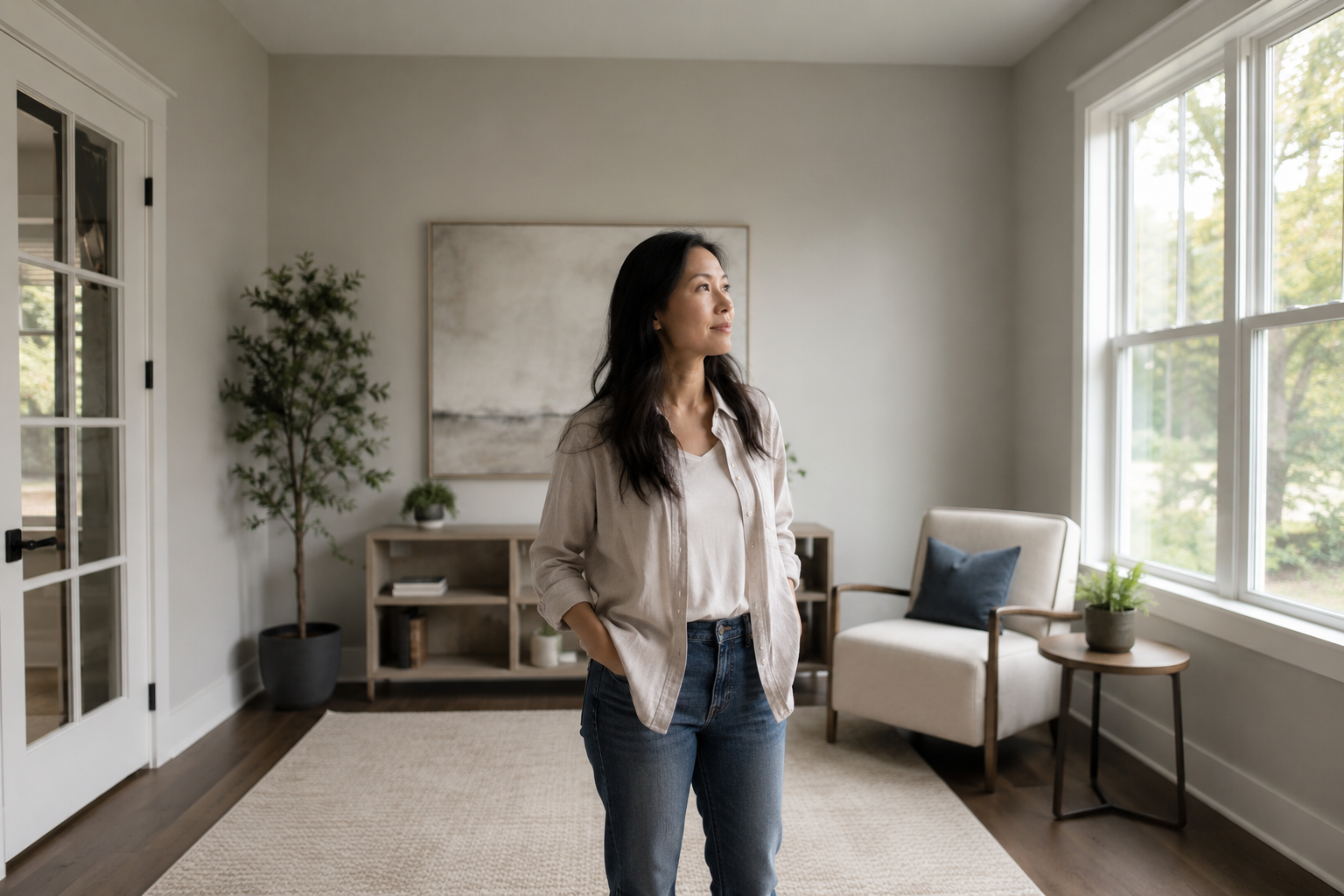
Imagine walking through a model home with a friend.
You step into a spacious flex room just off the foyer.
Your friend smiles and says,
"Well, we don't need this room. It's just the two of us."
Maybe.
But maybe not.
A few minutes later, the conversation changes.
One person works from home.
The other enjoys quilting.
They have two large dogs.
Their parents visit several times a year.
They've always wanted a quiet reading room.
Without realizing it, they've already described five different ways that flex room could support their lives.
The room didn't become more valuable because it got bigger.
It became more valuable because they started imagining how they would actually use it.
That's one of my favorite parts of touring homes.
Sometimes buyers don't need different houses.
They simply need different questions.
What Buyers May Want to Notice
Think About Your Daily Routine
One of the first things I encourage buyers to think about isn't the number of bedrooms. It's what an ordinary day looks like.
Do you work from home?
Do you have hobbies that take up space?
Do friends or family visit often?
Do you enjoy entertaining?
Your answers may point you toward a different floor plan than your household size alone would suggest.
A Flex Room Doesn't Have One Purpose
One of my favorite spaces in newer homes is the flex room because it changes with the homeowner.
Today it might be a home office.
Next year it might become a reading room.
A few years later it could be a guest room, craft room, exercise space, or music room.
Rather than asking, "Do I need this room today?" it may help to ask, "Could this room support the life I want over the next several years?"
Pets Take Up Space Too
This is something I naturally notice because I know how important animals are to many families.
A buyer with two large dogs may appreciate extra storage for food, leashes, beds, and toys. They may also value a larger laundry room, a convenient entry from the backyard, or extra room for crates.
Those needs are just as real as needing another bedroom.
Sometimes the home that fits your pets also fits your lifestyle.
Leave Room for the Future
None of us knows exactly what life will look like five years from now.
Parents may visit more often.
You might begin working remotely.
A hobby could become a business.
You may simply decide you enjoy having a quiet place to read every evening.
Choosing a home isn't about predicting the future.
It's about giving yourself enough flexibility to adapt if life changes.
---
As I thought more about why a smaller household doesn't always need a smaller home, another question naturally came to mind. If the right home isn't determined by the number of people living there, how do experienced REALTORS® decide which homes are truly the best fit?
---
Common Things That Can Complicate the Decision
* Assuming the number of people automatically determines the amount of space needed.
* Focusing on square footage before thinking about everyday routines.
* Overlooking flexible spaces that could serve multiple purposes.
* Forgetting to consider pets, hobbies, guests, or working from home.
* Choosing a home based only on today's needs without considering future flexibility.
---
Frequently Asked Questions
Does living alone mean I should buy a smaller home?
Not necessarily. The right size depends on how you live, not simply how many people live with you.
How important are flex rooms in newer homes?
That depends on your lifestyle. Many buyers appreciate having a space that can change as their needs change.
Should I think about future needs when buying a home?
Many buyers find it helpful to consider how their routines may evolve over time, especially if they hope to stay in the home for several years.
Can pets influence the type of home that's a good fit?
Absolutely. Storage, outdoor space, flooring, and room for everyday routines can all become important considerations for pet owners.
---
Charlene's Observations
One thing I keep coming back to is how easy it is to make assumptions while walking through a home.
A large home doesn't automatically mean it's too much for one person.
A smaller home doesn't automatically mean it's the right fit.
The more homes I tour, the more convinced I become that the best place to start isn't with square footage. It's with the life someone hopes to build there.
That's why I always find myself asking questions before I start comparing floor plans.
Because when you understand the person first, the home often begins to make much more sense.
This article is for general informational purposes only.
---
Work With Charlene
Charlene Vandaele is a real estate agent with Fathom Realty in Greenville, South Carolina helping first-time home buyers navigate new construction and newer homes with clarity and confidence.
864-345-9076
---
Quick Recap
* Household size is only one factor when choosing a home.
* Everyday routines often reveal what space you'll actually use.
* Flexible rooms can adapt as your life changes.
* Pets, hobbies, and guests may influence the right floor plan.
* The best home supports the life you're building, not just the number of people living there.