Why Is It Helpful to Imagine Your Daily Routine Instead of Copying the Model Home?
At First Glance
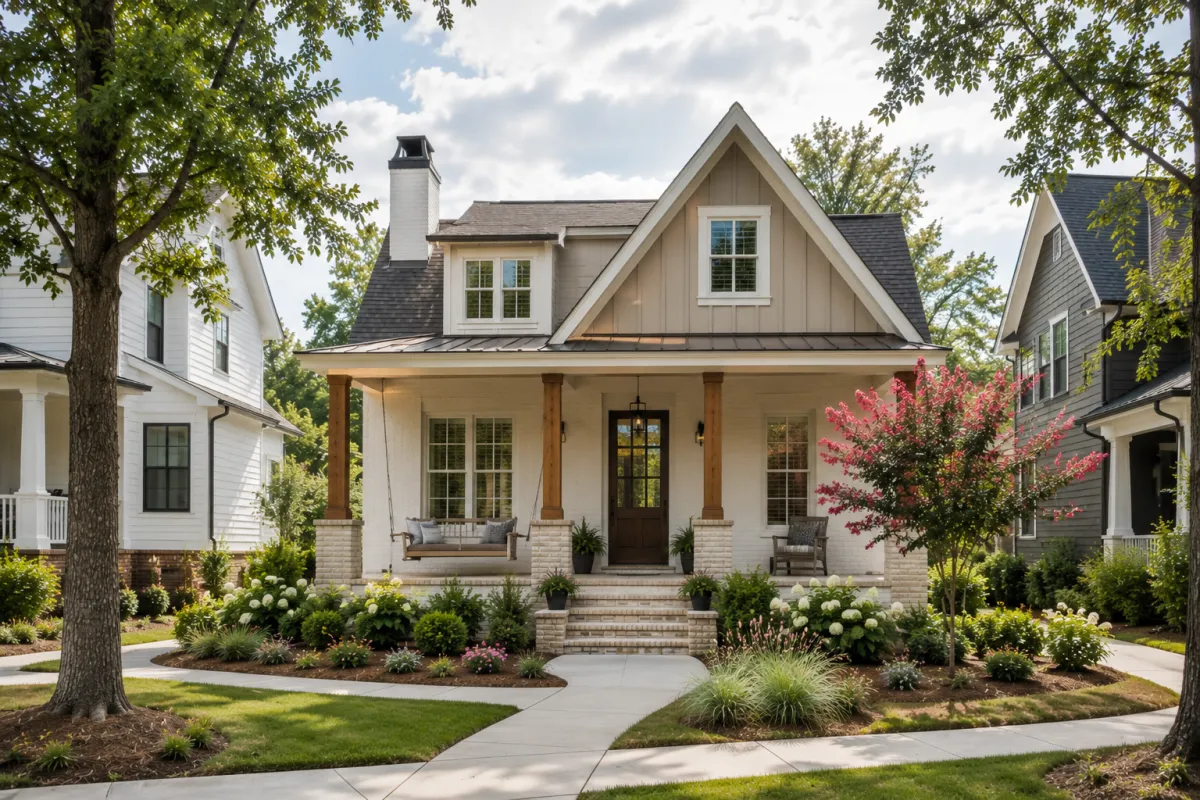
During a model home tour near Greenville, I walked into a beautifully staged formal dining room. The table was set perfectly, and everything looked exactly as you would expect.
But that isn't where my mind went.
Instead, I pictured a comfortable chair, a small bookshelf, a place to keep a favorite mug, a basket for blankets, and a quiet corner where someone could enjoy a book with a cup of coffee on a slow morning.
That moment reminded me that a model home is designed to inspire ideas—not prescribe how you should live. Builders create blank canvases. The life you want to build is what gives each room its purpose.
Why This Matters
It's easy to fall in love with a beautifully furnished model home.
The furniture, décor, and staging help buyers picture the possibilities, but they don't have to become your plan.
A room that works beautifully for one person may sit unused by someone else.
Instead of asking, "How can I recreate this room?" it may be more helpful to ask, "How do I actually spend my time?"
That's the question that often leads to a home feeling personal instead of simply beautiful.
A Real Moment During the Buying Process
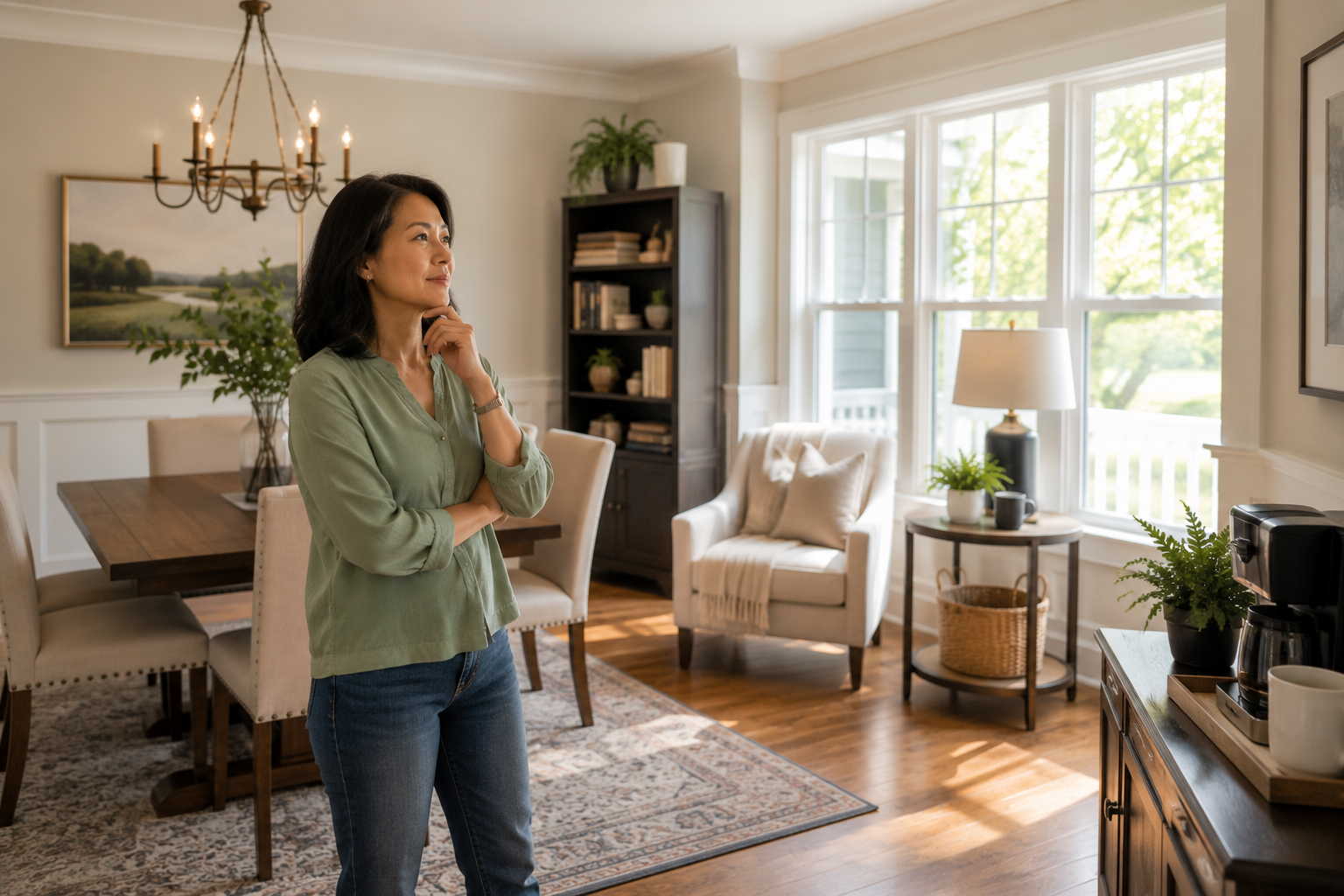
As I stood in the room, I wasn't imagining holiday dinners.
I was imagining a quiet morning. Coffee on a small table. A good book. Maybe a few favorite snacks tucked into a nearby cabinet. Sunlight coming through the windows while the rest of the house was still quiet.
Nothing about the room needed to change structurally.
The difference was simply imagining daily life instead of copying the builder's furniture.
What Buyers May Want to Notice
Picture an Ordinary Day
Instead of imagining your next holiday gathering, think about next Tuesday.
Where do you naturally like to relax? Where do you read? Where do you enjoy your morning coffee?
Those everyday moments often reveal a room's best purpose.
Look Past the Furniture
The furniture belongs to the model home—not to the floor plan.
Try mentally removing everything from the room. Once it's empty, ask yourself what would genuinely improve your daily routine.
Your Lifestyle Is the Best Design Guide
Beautiful staging can spark ideas, but your habits should shape your decisions.
A room that supports your daily life will often be more valuable than one that simply looks impressive.
Imagining your everyday routines also makes it easier to think beyond today.
Some rooms don't just support your current lifestyle. They quietly adapt as your life changes over the years.
misscharrealestate.com/post/how-can-a-bonus-room-grow-with-your-life-over-time
Common Things That Can Complicate the Decision
* Feeling like every staged room should be copied.
* Designing spaces for occasional events instead of everyday living.
* Forgetting to think about how you naturally spend your time.
* Assuming the builder's vision has to become your own.
Frequently Asked Questions
Should I decorate my home like the model home?
Model homes are excellent sources of inspiration, but your home should ultimately reflect your own lifestyle and routines.
Why do builders stage rooms a certain way?
Staging helps buyers visualize possibilities, but it's only one example of how a space can be used.
How can I decide what a room should become?
Think about the activities that bring you comfort, productivity, or enjoyment on an average day rather than on special occasions.
Is it okay if my home looks different from the model?
Absolutely. One of the benefits of buying a home is creating spaces that support the way you actually live.
Charlene's Observations
One thing I keep coming back to is how quickly I stop noticing the furniture and start imagining real life.
A beautifully staged room catches my eye, but the questions that stay with me are much simpler. Where would someone drink their coffee? Where would they read? Where would they slow down after a busy day?
Those are the moments that turn a house into a home.
This article is for general informational purposes only.
Work With Charlene
Charlene Vandaele is a real estate agent with Fathom Realty in Greenville, South Carolina helping first-time home buyers navigate new construction and newer homes with clarity and confidence.
864-345-9076
Quick Recap
* A model home is meant to inspire, not dictate how you should live.
* Picture your everyday routine instead of copying the staging.
* Think about how each room can support your lifestyle.
* Builders create blank canvases—the way you live gives each room its purpose.