Why Does One Small Design Option Completely Change How You Use a Home?
At First Glance
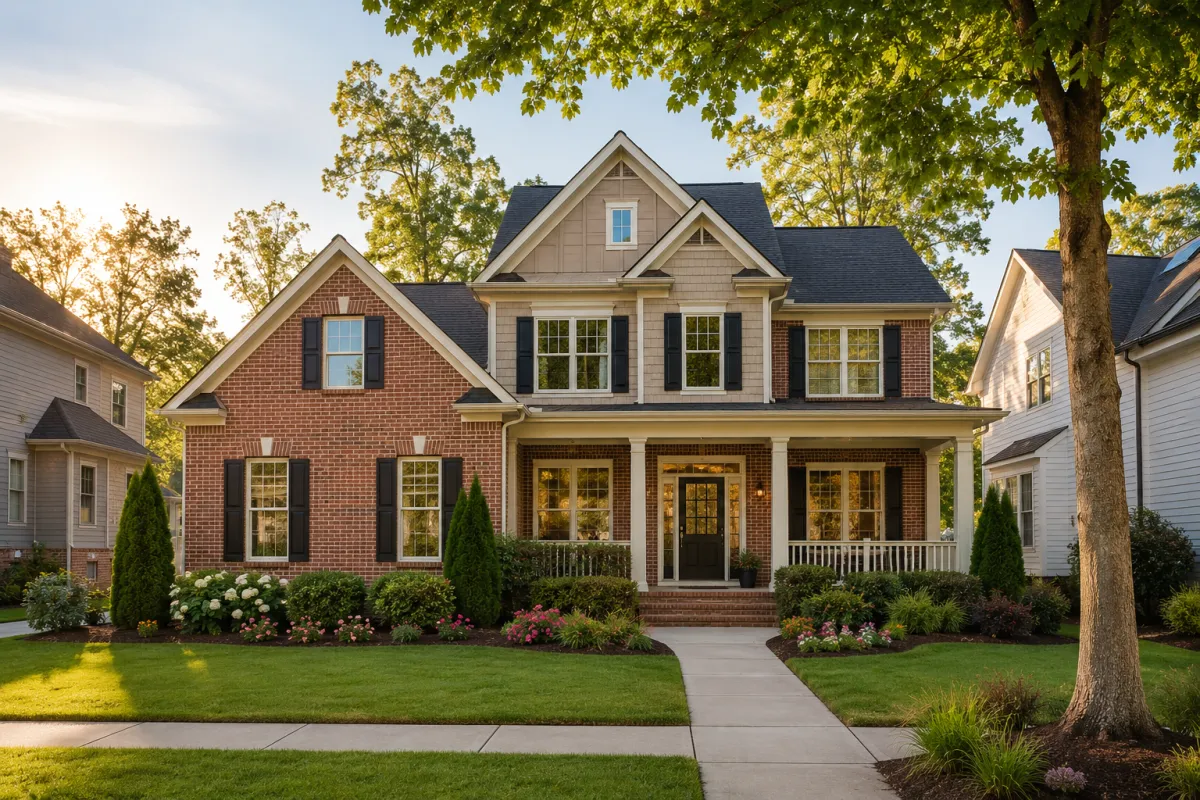
While touring new construction communities in Greenville, South Carolina and Simpsonville, South Carolina, I noticed a design choice that many buyers could easily walk past without giving it much thought.
One version of the home had an open passage between the kitchen and the nearby study.
Another version had that opening closed off with a full wall.
Everything else about the floor plan was almost identical.
Yet those two homes felt completely different as I walked through them.
It reminded me that sometimes the smallest design options aren't really small at all. They can change how you move through the home, how you use the rooms, and how everyday life unfolds after you move in.
Why This Matters
When buyers compare floor plans, they often focus on the number of bedrooms, the size of the kitchen, or the square footage.
Those are important details.
But sometimes a single wall, doorway, or opening changes the way the entire home functions.
The question isn't whether one option is better.
It's whether one option better supports the life you want to build.
A design feature that feels perfect for one household may not fit another household's daily routine.
That's why it's worth looking beyond appearances and imagining how you'll actually live in the space.
A Real Moment During the Buying Process
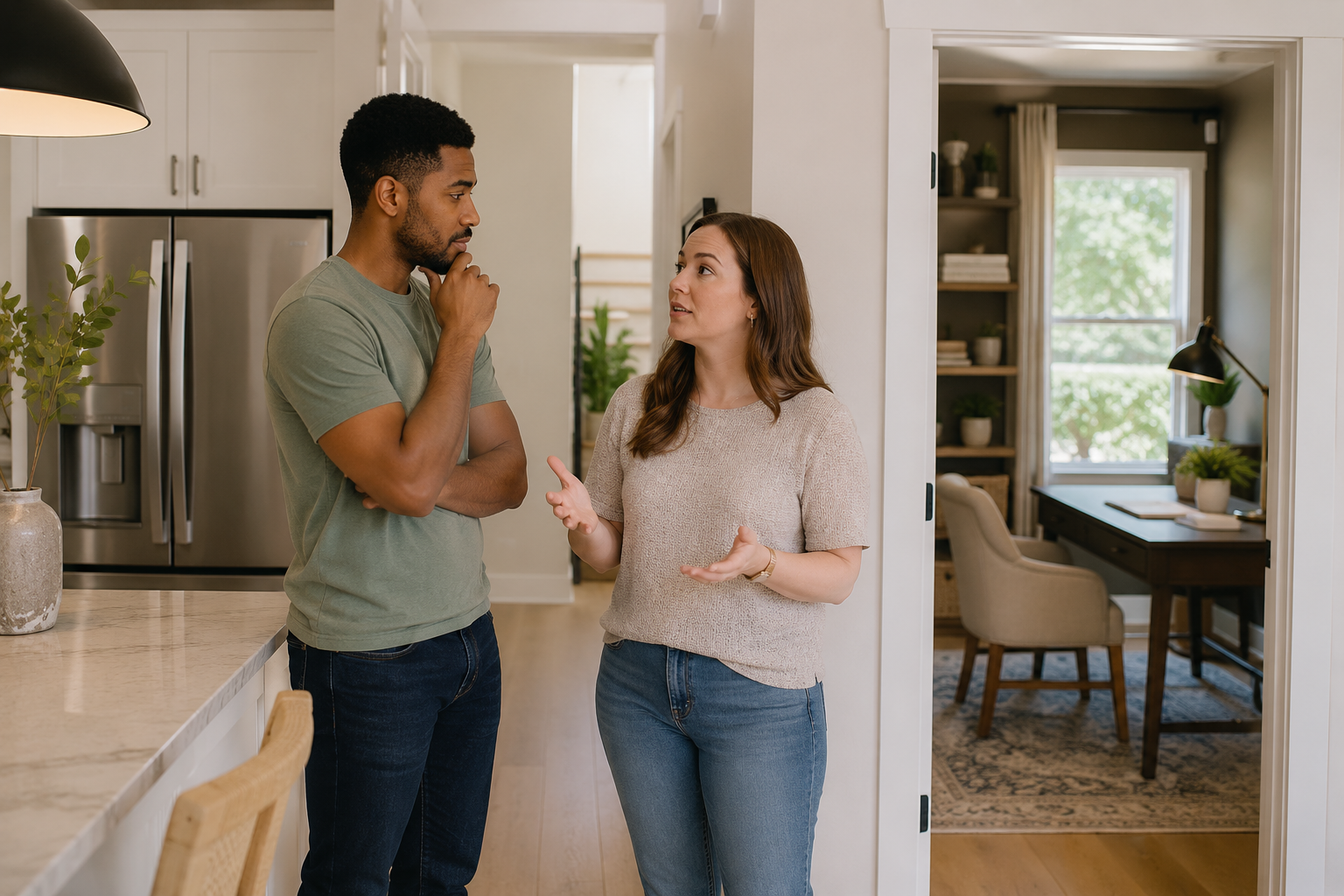
Imagine you're standing in the kitchen while dinner is cooking.
In one version of the floor plan, you can easily see into the study.
Someone might be working on a laptop, helping with homework, or reading a book while still feeling connected to everything happening in the kitchen.
In the other version, the study has its own enclosed space.
The room feels quieter.
Private.
More separated from the activity of the main living area.
Neither choice is wrong.
They're simply designed to support different ways of living.
What Buyers May Want to Notice
How Connected Do You Want the Spaces to Feel?
An open passage creates visual connection between rooms.
That can make conversations easier and allow natural light to flow farther into the home.
It also creates a feeling that the spaces belong together.
Some buyers enjoy that openness.
Others may discover they prefer a little more separation.
Think About Everyday Noise
One question worth asking is what happens during an ordinary weekday.
If someone is attending virtual meetings in the study while another person is preparing dinner, how might the space feel?
Would an enclosed room provide fewer distractions?
Or would the open connection make family life feel more natural?
There's no universal answer.
Only the answer that fits your routine.
Consider How the Room May Change Over Time
A study rarely stays the same forever.
Today it might be a home office.
Next year it could become a hobby room, reading room, homework space, or quiet retreat.
Ask yourself how an open or closed layout might support those future possibilities.
Small Design Choices Influence Traffic Flow
Opening a passage changes more than visibility.
It changes how people naturally move through the home.
You may find yourself walking through one room more often than another.
You may discover that furniture placement changes because of the additional opening.
Those little adjustments can shape your daily routine in ways you wouldn't expect during a quick walkthrough.
Imagine Life Beyond Move-In Day
Beautiful finishes capture your attention immediately.
Design choices shape how the home feels months and years later.
As you tour homes, try asking yourself one simple question:
"Will this layout make everyday life easier for the way I actually live?"
That question often reveals far more than comparing floor plans alone.
Once you begin noticing how small layout changes can affect your everyday routine, the next question becomes whether you have any say in those decisions. Many first-time buyers are surprised to learn that some semi-custom builders offer structural options that can shape how a home functions long before construction is complete. In the next article, we'll look at the flexibility many buyers don't realize they have.
Common Things That Can Complicate the Decision
* Focusing only on square footage instead of functionality.
* Assuming every design option affects the home in the same way.
* Forgetting to picture everyday routines inside each room.
* Thinking about today's needs without considering future flexibility.
* Choosing based only on first impressions instead of long-term living.
Frequently Asked Questions
Why would a builder offer different design options within the same floor plan?
Builders often provide options that allow buyers to choose layouts that better fit different lifestyles and everyday routines.
Is an open connection between rooms always better?
Not necessarily. Some buyers appreciate openness, while others value privacy and quieter spaces. It depends on how you plan to use the rooms.
Can one wall really change how a home feels?
Yes. A wall or opening can influence natural light, traffic flow, privacy, furniture placement, and how connected different areas of the home feel.
What should I pay attention to during a model home tour?
Instead of focusing only on finishes, imagine how you'll move through the home, how you'll use each room, and what everyday life might look like after move-in.
Charlene's Observations
One thing I keep coming back to is how often buyers focus on the features they can easily see.
But some of the most important decisions are about how a home feels after you've lived in it for a while.
A single doorway or wall may seem like a minor choice during a tour.
Later, it can quietly shape hundreds of ordinary moments that make a house feel comfortable and functional.
That's why I enjoy slowing down and asking questions that go beyond the floor plan itself.
This article is for general informational purposes only.
Work With Charlene
Charlene Vandaele is a real estate agent with Fathom Realty in Greenville, South Carolina helping first-time home buyers navigate new construction and newer homes with clarity and confidence.
864-345-9076
Quick Recap
* Small design options can significantly change how a home functions.
* Think about your everyday routine, not just the floor plan.
* Consider privacy, natural light, and traffic flow together.
* Imagine how each room might evolve over time.
* Choose the design that best supports the life you want to build.