Why Do Some Buyers in Simpsonville, South Carolina Finally Realize What “Home” Means to Them?
At First Glance
A lot of buyers in Simpsonville, South Carolina start the home-buying process thinking “home” mostly means:
* ownership
* stability
* more space
* financial progress
* finally having something of their own
And honestly, those things matter.
But during the process, many first-time buyers slowly realize that “home” starts becoming much more emotional and personal than they originally expected.
Especially after weeks of:
* touring homes
* comparing communities
* discussing budgets
* imagining routines
* thinking about the future
At some point, buyers often stop focusing only on:
* square footage
* upgrades
* pricing
* finishes
…and start emotionally asking:
* Would we feel peaceful here?
* Would everyday life feel easier?
* Would this feel emotionally supportive long-term?
* Could this actually feel like home?
That emotional realization becomes very common during the home-buying process.
Especially in newer Simpsonville communities where homes are often intentionally designed around:
* open-concept living
* practical layouts
* natural light
* functional routines
* outdoor gathering spaces
* emotionally comfortable living
And honestly, many buyers don’t fully understand what “home” means to them until they begin walking through spaces that emotionally feel different.
Why This Matters
One thing many first-time buyers begin realizing is that homeownership is not only about buying property.
It’s also about creating an environment that supports:
* emotional comfort
* routines
* relationships
* rest
* stability
* long-term life
That realization often happens gradually during tours.
Especially once buyers become emotionally exhausted from:
* comparing too many homes
* trying to make perfect decisions
* worrying about finances
* overthinking upgrades
* fearing regret
Eventually many people stop searching for the “best” house and start searching for:
* emotional ease
* practical comfort
* manageable routines
* peaceful living
* spaces that feel grounding
That emotional transition becomes especially noticeable in newer Simpsonville homes where layouts often prioritize:
* connected living spaces
* flexible functionality
* outdoor relaxation
* kitchen-centered gathering
* smoother traffic flow
* natural lighting
* intentional everyday living
Those details may seem small initially.
But emotionally, they often shape how buyers imagine life unfolding inside the home.
And honestly, many buyers eventually realize:
“home” has less to do with impressiveness…
…and much more to do with how life feels inside the space every day.
A Real Moment During the Buying Process
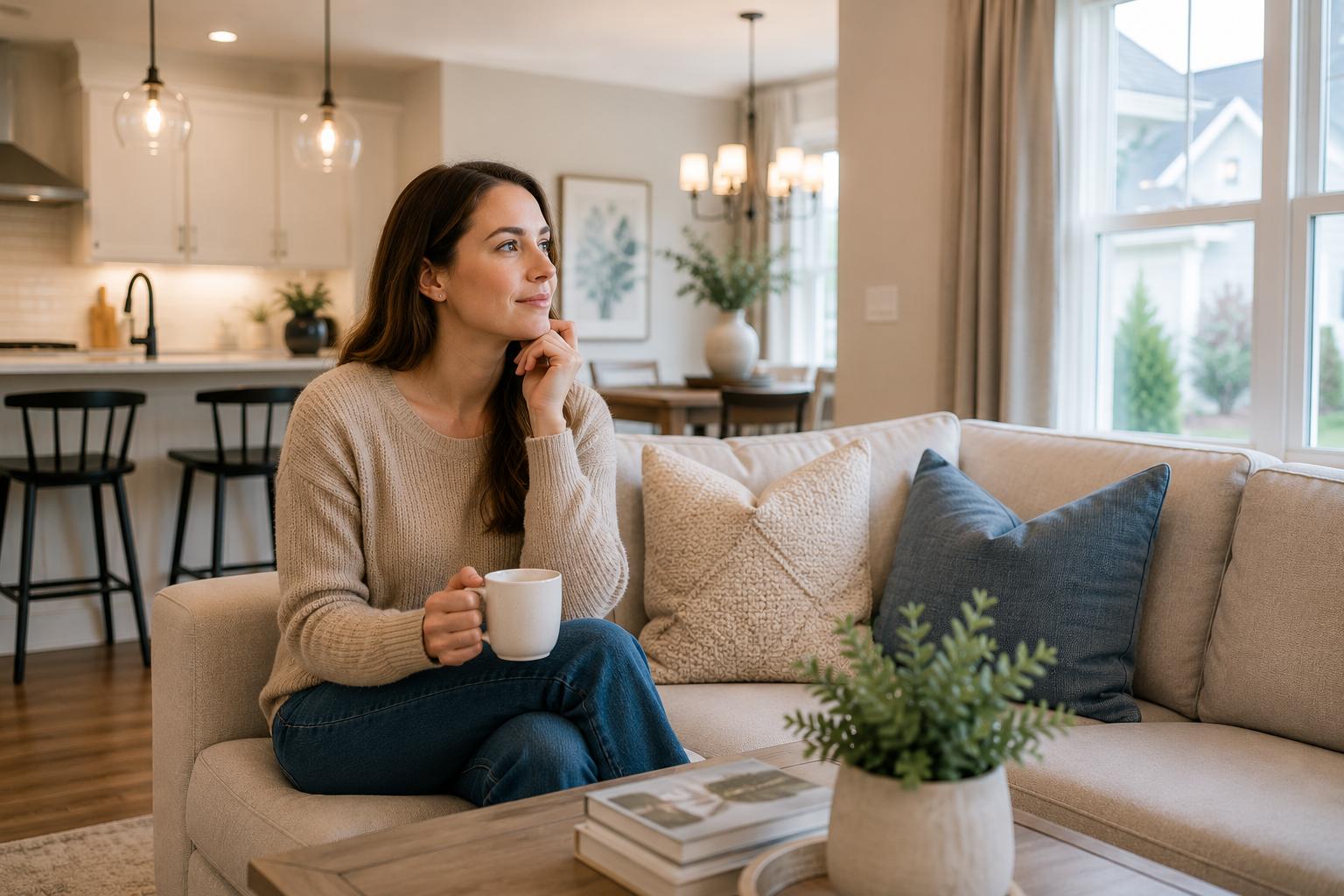
Something that can surprise buyers during tours is how suddenly emotional clarity can appear.
I remember buyers touring several newer homes around Simpsonville after weeks of:
* researching communities
* comparing layouts
* discussing pricing
* debating upgrades
* second-guessing decisions
At first, the conversations stayed very practical.
They focused heavily on:
* square footage
* finishes
* builder incentives
* resale value
* design upgrades
But eventually they toured one particular home with:
* soft natural lighting
* an open but comfortable kitchen
* practical storage
* peaceful backyard spacing
* warm neutral finishes
* flexible gathering areas
And during the tour, the emotional energy shifted completely.
One of them quietly looked around and said:
“This actually feels like somewhere we could slow down.”
That moment changed how they viewed the process emotionally.
Because suddenly they weren’t only thinking about:
* upgrades
* pricing
* comparisons
* aesthetics
They were imagining:
* peaceful evenings
* future routines
* emotional comfort
* stability
* connection
* everyday life
And honestly, many buyers don’t realize how emotionally overwhelmed they’ve become until they finally walk into a home that simply feels calming and supportive.
That emotional clarity often becomes the moment buyers begin understanding what “home” personally means to them.
What Can Help
If the meaning of “home” suddenly feels more emotional during the buying process, that’s completely normal.
A lot of buyers begin reevaluating their priorities once they emotionally connect to certain spaces during tours.
Some things that can help include:
Thinking About Everyday Life Instead of Perfection
Many buyers initially focus heavily on:
* upgrades
* appearance
* trends
* impressiveness
But eventually some people begin asking:
* Would mornings feel calmer here?
* Would this layout reduce stress?
* Could we realistically enjoy daily life here?
* Does the home support the routines we want?
Those questions often create more emotional clarity long-term.
Paying Attention to Emotional Comfort
Homes often feel emotionally different because of smaller combined details like:
* lighting
* layout flow
* outdoor connection
* quieter surroundings
* practical functionality
* openness
* storage
* gathering space
Many newer Simpsonville homes intentionally incorporate those features because buyers increasingly value emotional comfort alongside functionality.
Letting Priorities Evolve Naturally
Some buyers feel guilty when their priorities change during the process.
But emotional growth during homeownership decisions is completely normal.
Many first-time buyers begin the process focused mostly on:
* financial goals
* appearance
* upgrades
…and later realize they care deeply about:
* peace
* comfort
* emotional support
* connection
* long-term routines
That shift often reflects emotional clarity, not confusion.
Focusing on How the Home Supports Life
Eventually many buyers realize the most important question becomes:
“How will this home support everyday life emotionally and practically?”
That mindset often reduces pressure to find:
* perfection
* the “best” house
* the most upgrades
And instead helps buyers focus on:
* realistic comfort
* manageable living
* emotional ease
* future flexibility
One thing that often happens before buyers emotionally understand what “home” means to them is feeling mentally exhausted by endless choices and comparisons.
A lot of buyers begin emotionally reconnecting with their priorities once they simplify the process and focus more on everyday living.
Once buyers begin understanding what “home” emotionally means to them, many also realize they care much more about how a home functions every day than they originally expected. That emotional shift often changes the way buyers evaluate homes completely.
Common Things That Trip Buyers Up
* Trying to define “home” only financially
* Over-focusing on aesthetics
* Ignoring emotional comfort
* Comparing too many homes too quickly
* Assuming bigger automatically feels better
* Feeling pressure to choose perfectly
* Prioritizing trends over routines
* Ignoring lifestyle functionality
* Forgetting to think about long-term daily life
* Feeling guilty for emotional attachment during tours
Many buyers eventually realize emotional comfort and practical functionality usually work together naturally.
FAQ
Is it normal for the meaning of “home” to change during the buying process?
Absolutely.
Many buyers begin the process focused mostly on ownership and later realize emotional comfort and lifestyle support matter much more than expected.
Why do newer Simpsonville homes often feel emotionally calming?
Many newer homes are intentionally designed around:
* openness
* functionality
* natural light
* gathering spaces
* flexible living
* peaceful routines
which can strongly affect emotional comfort during tours.
Can emotional attachment help buyers make decisions?
For many buyers, emotional comfort helps clarify whether a home realistically supports the kind of life they want long-term.
Should buyers focus only on practical decisions?
Practical decisions matter, but emotional comfort and lifestyle support often play a major role in long-term satisfaction with a home.
Final Thoughts
A lot of buyers in Simpsonville, South Carolina are surprised by how emotional the meaning of “home” eventually becomes during the buying process.
And honestly, that reaction makes sense.
Because homeownership is not only about:
* pricing
* square footage
* upgrades
* builder incentives
It’s also about:
* comfort
* routines
* connection
* peace
* emotional support
* future life
That’s why some homes suddenly feel emotionally different during tours.
Not necessarily because they are perfect…
…but because they feel supportive, calming, and realistic for the kind of life buyers truly want to live every day.
And honestly, for many first-time buyers, that emotional clarity becomes one of the most meaningful parts of the entire process.
This article is for general informational purposes only.
Work With Charlene
Charlene Vandaele is a real estate agent with Fathom Realty in Greenville, South Carolina helping first-time home buyers navigate new construction and newer homes with clarity and confidence.
864-345-9076
Quick Recap
* Many buyers eventually realize “home” means more than ownership alone
* Emotional comfort often becomes very important during tours
* Newer Simpsonville homes frequently support peaceful everyday living
* Buyers often emotionally connect to routines and lifestyle support
* Functional layouts and calming spaces strongly affect emotional reactions
* Priorities naturally evolve during the home-buying process
* Emotional clarity often comes from imagining realistic everyday life