Why Do Couples in Greenville, South Carolina Sometimes Disagree About What Matters Most in a Home?
At First Glance
A lot of couples in Greenville, South Carolina are surprised by how differently they sometimes view the same home.
One person may walk into a newer home and immediately focus on:
* kitchen upgrades
* natural lighting
* open-concept living
* entertaining space
While the other is quietly thinking about:
* commute time
* storage
* parking
* long-term affordability
* practical daily routines
And honestly, neither person is wrong.
But during the home-buying process, many couples begin realizing they are not only choosing a house.
They are also trying to figure out what kind of everyday life they want to build together.
That emotional layer can make decisions feel much heavier than expected.
Especially for first-time buyers already feeling:
* overwhelmed
* mentally overloaded
* nervous about regret
* uncertain about spending so much money
And in newer Greenville builder communities where there are already so many choices involving:
* layouts
* upgrades
* outdoor spaces
* flexible rooms
* neighborhood amenities
those differences in priorities can suddenly become much more noticeable.
Why This Matters
One thing many first-time buyers begin realizing is that couples often value homes differently because they experience daily life differently.
Some buyers emotionally connect to:
* peaceful spaces
* natural light
* cozy gathering areas
* neighborhood atmosphere
Others focus heavily on:
* functionality
* financial comfort
* future maintenance
* storage
* commute practicality
And honestly, most couples care about both emotional comfort and functionality.
They just prioritize them differently at first.
That’s especially true in newer Greenville homes where layouts are intentionally designed around:
* open kitchens
* flexible spaces
* outdoor living
* work-from-home options
* connected gathering areas
* practical storage
* smoother traffic flow
One person may immediately love:
* the large kitchen island
* upgraded finishes
* backyard entertaining space
While the other notices:
* limited pantry storage
* garage size
* traffic patterns
* parking convenience
* how busy the neighborhood feels
And during tours, couples sometimes begin realizing:
“We’re not actually looking for the exact same thing.”
That realization can feel emotionally uncomfortable at first.
Especially when both people are trying very hard to make a smart long-term decision together.
Because underneath the disagreements, many couples are really asking:
* What kind of lifestyle do we want?
* What would reduce stress daily?
* What will matter most long-term?
* What makes a home emotionally supportive?
* What routines do we want our life built around?
And honestly, those are deeply personal questions.
A Real Moment During the Buying Process
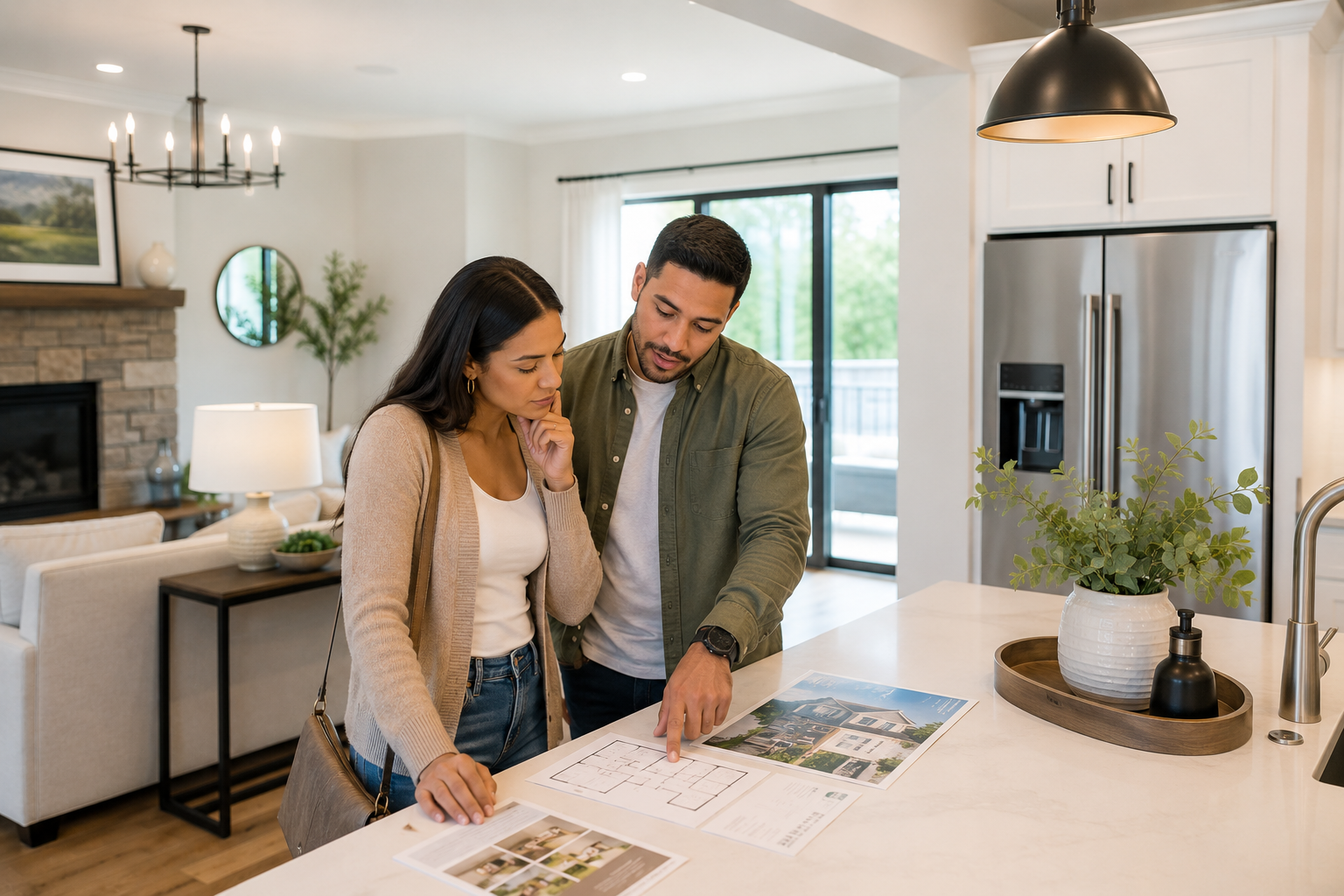
Something that can surprise buyers during tours is how quickly small details can suddenly feel emotionally important.
I remember buyers touring several newer homes around Greenville while comparing:
* layouts
* builder communities
* pricing
* outdoor spaces
* kitchen functionality
At first, the process felt exciting.
One home had:
* dramatic ceilings
* beautiful finishes
* a large open kitchen
* upgraded lighting
One person immediately loved it.
But the other quietly kept noticing:
* limited storage
* smaller garage space
* tighter parking
* a busier road nearby
As the tours continued, the conversations started becoming more emotionally layered.
Eventually one of them paused and said:
“I feel like we’re trying to find a home that makes both of us feel comfortable, and that suddenly feels harder than we expected.”
That moment shifted the conversation completely.
Because underneath the home search, they were really trying to balance:
* emotional comfort
* practicality
* finances
* routines
* future planning
* lifestyle expectations
And honestly, many couples don’t realize how emotional those conversations become until they’re actively happening during tours.
Especially once homes start representing:
* future routines
* future family life
* emotional safety
* long-term stability
* everyday stress levels
That’s why disagreements during the home-buying process are often less about the house itself…
…and more about trying to build a life that feels supportive for both people.
What Can Help
If you and your partner suddenly feel like you’re prioritizing different things during the home search, that’s completely normal.
A lot of couples begin realizing they define “comfort” differently during tours.
Some things that can help include:
Talking About Daily Life Instead of Specific Features
Sometimes couples get stuck debating:
* countertops
* upgrades
* square footage
* finishes
when the deeper issue is actually:
“How do we want everyday life to feel?”
It can help to discuss:
* routines
* stress levels
* quiet spaces
* hosting preferences
* parking needs
* work-from-home functionality
* outdoor living
before focusing only on aesthetics.
Separating Wants From Everyday Needs
Many newer Greenville homes offer:
* beautiful upgrades
* modern layouts
* open living spaces
* flexible rooms
But eventually buyers often realize:
daily functionality affects stress levels much more long-term than highly trendy upgrades.
It can help to ask:
* Will this layout feel practical daily?
* Does the home reduce stress?
* Does storage feel manageable?
* Will parking become frustrating?
* Would routines feel easier here?
Giving Each Person Space to Explain Why Something Matters
Sometimes buyers accidentally argue about features when they’re really talking about emotions.
For example:
* one person may want more storage because clutter increases anxiety
* another may want more natural light because it emotionally affects comfort
* another may prioritize commute simplicity because daily traffic feels exhausting
Understanding the emotional reason behind preferences often helps conversations feel calmer and more productive.
Focusing on Long-Term Functionality
Many buyers eventually realize they are not searching for:
* a perfect house
* the trendiest upgrades
* the “winning” opinion
They are usually searching for:
* peace
* manageable routines
* emotional comfort
* practical living
* long-term support
That mindset shift often helps couples feel more connected during the process.
As couples continue touring homes together, many buyers slowly begin thinking beyond the house itself and start imagining how their future routines, lifestyle, and long-term comfort may actually feel inside the space they choose.
Common Things That Trip Buyers Up
* Assuming both people will value the same features
* Focusing only on appearance
* Ignoring daily functionality
* Comparing too many homes too quickly
* Letting stress build without discussing it
* Treating compromise like someone “loses”
* Forgetting to think about routines
* Prioritizing trends over practicality
* Ignoring emotional exhaustion
* Trying to create a “perfect” decision
Many couples eventually realize emotional comfort and practical functionality usually work best together.
FAQ
Is it normal for couples to disagree during the home search?
Absolutely.
Many buyers naturally prioritize different features based on routines, stress levels, personality, and long-term goals.
Why do newer Greenville homes sometimes create more disagreement?
Many newer homes offer so many choices involving:
* layouts
* upgrades
* outdoor spaces
* storage
* flexible rooms
that buyers can start focusing on completely different priorities.
Can emotional exhaustion affect decision-making?
Yes.
Many first-time buyers become mentally overloaded after touring too many homes and trying to compare every detail perfectly.
How can couples reduce stress during the process?
Many buyers find it helps to:
* focus on routines
* discuss long-term lifestyle goals
* prioritize functionality
* simplify comparisons
* talk openly about emotional comfort
Final Thoughts
A lot of couples in Greenville, South Carolina are surprised by how emotional the home-buying process can become.
And honestly, that reaction makes sense.
Because couples are not only choosing:
* a house
* a layout
* a neighborhood
They are also choosing:
* routines
* emotional comfort
* long-term stability
* future lifestyle
* everyday stress levels
* practical living
That’s why disagreements sometimes happen during the process.
Especially once buyers begin realizing how much a home affects everyday life emotionally and practically.
And honestly, many couples eventually find that the most helpful conversations are not about creating the “perfect” house.
They’re about creating a home that realistically supports both people long-term.
This article is for general informational purposes only.
Work With Charlene
Charlene Vandaele is a real estate agent with Fathom Realty in Greenville, South Carolina helping first-time home buyers navigate new construction and newer homes with clarity and confidence.
864-345-9076
Quick Recap
* Couples often prioritize homes differently during the buying process
* Emotional comfort and functionality both matter long-term
* Newer Greenville homes offer many choices that can create overwhelm
* Buyers often disagree because they experience daily life differently
* Practical functionality frequently affects emotional comfort
* Open conversations about routines and stress levels can help
* Many couples eventually realize they are building a lifestyle, not just buying a house