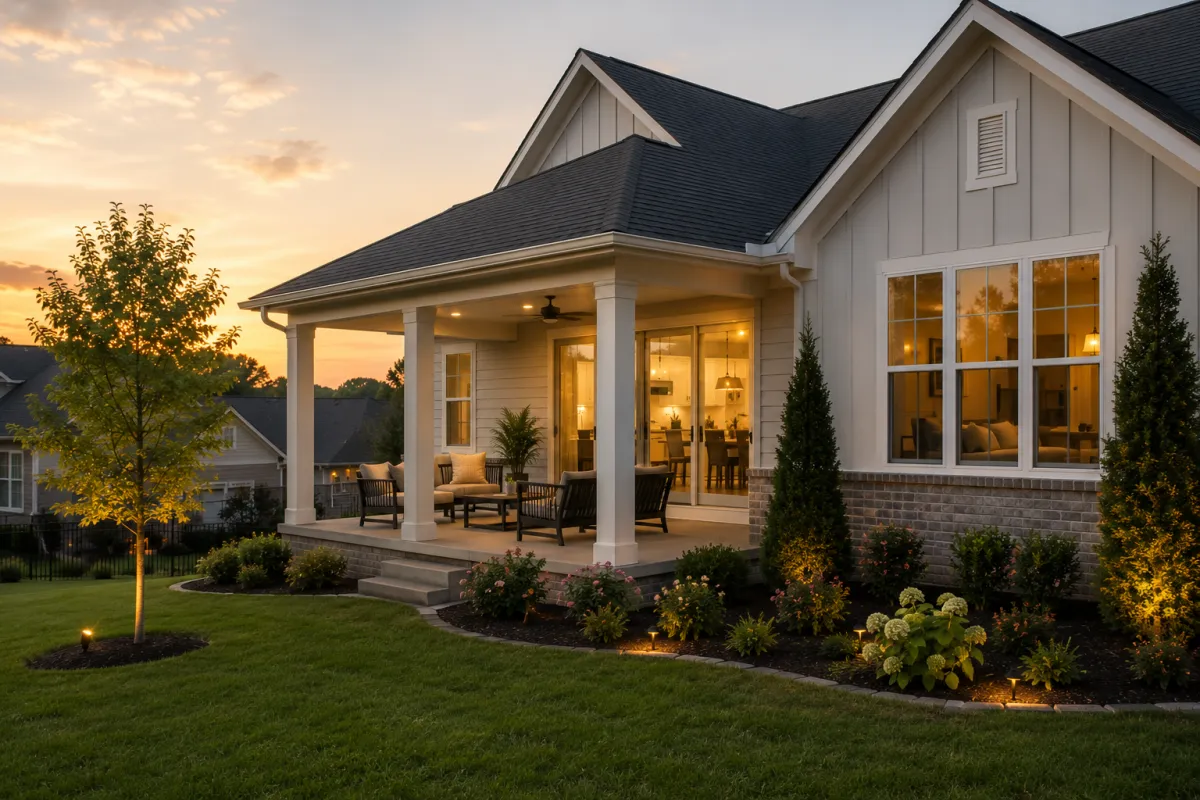
Why Do Buyers in Simpsonville, South Carolina Start Imagining How They Could Personalize a Newer Home Over Time?
At First Glance
Many buyers in Simpsonville, South Carolina start imagining how they could personalize a newer home over time because they no longer see it as just a house.
They start seeing it as theirs.
Earlier in the home search, buyers are often focused on evaluation.
They're comparing:
* layouts
* builders
* storage
* budgets
* communities
* functionality
But eventually something changes.
Instead of asking whether the home works, they begin imagining how they would live there.
That's often when buyers start thinking about future possibilities.
Not major renovations.
Not dramatic changes.
Simple personal touches that would make the home feel even more like home.
Why This Matters
One thing many first-time buyers start noticing is that emotional connection often leads naturally into lifestyle imagination.
Once a home feels both functional and comfortable, buyers begin mentally moving in.
They start picturing:
* furniture placement
* holiday gatherings
* family dinners
* home office setups
* outdoor living spaces
* future routines
That's especially common with newer homes and new construction communities in Simpsonville.
Many modern floor plans are intentionally designed to be flexible.
Features such as:
* open-concept living
* flex rooms
* loft spaces
* covered patios
* kitchen islands
* bonus rooms
* functional storage
allow buyers to imagine how the space could evolve with them.
Something that can surprise buyers is that personalization doesn't always mean changing the home.
Often it means making the home reflect their lifestyle.
The best newer homes frequently provide a strong foundation.
Buyers simply imagine adding their own routines, preferences, and personality over time.
That process creates a deeper emotional connection.
The home begins feeling less like a model and more like a future chapter of life.
A Real Moment During the Buying Process
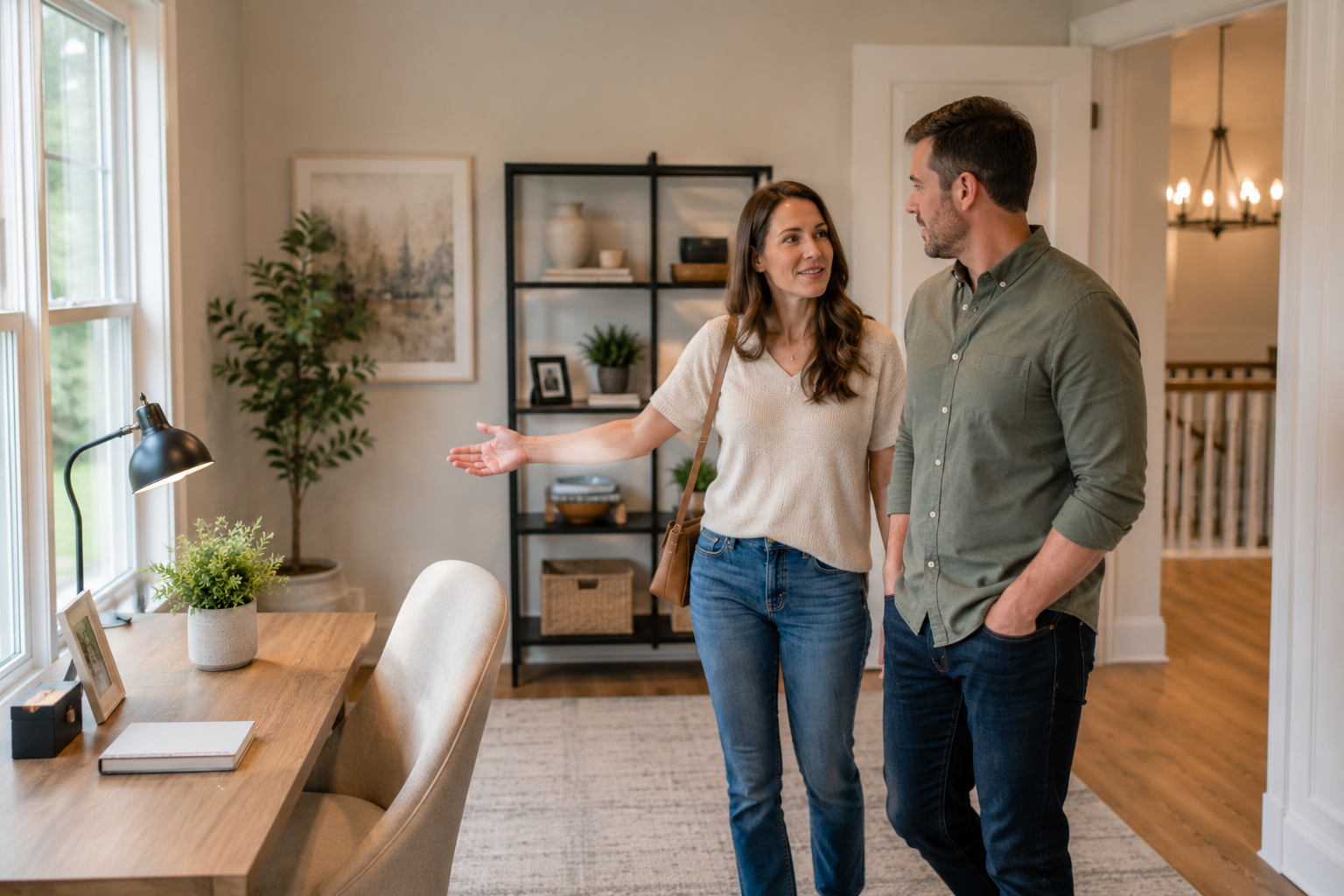
One thing that can happen during tours is that buyers stop talking about the builder and start talking about themselves.
I remember touring newer homes in Simpsonville with buyers who had spent weeks evaluating practical details.
Every conversation had been focused on comparison.
Storage.
Floor plans.
Pricing.
Builder options.
Functionality.
They wanted confidence before moving forward.
Then we walked through a newer home that felt particularly livable.
The layout flowed naturally.
The kitchen opened comfortably into the main living area.
Natural light filled the home.
The covered patio created an inviting outdoor space.
As we toured, the conversation slowly shifted.
One buyer pointed toward a flex room and said:
"I think this could become my office."
A few minutes later they were discussing where a sectional might go.
Then they started talking about hosting friends.
Cooking holiday meals.
Spending weekends on the patio.
At one point one of them smiled and said:
"I can already see what we'd do with this space."
That moment wasn't about customization.
It was about belonging.
They had stopped evaluating the home.
They had started imagining life inside it.
What Can Help
If you find yourself imagining how you would personalize a home, a few things can help keep that excitement grounded and useful.
Focus on Function First
Before thinking about changes, ask:
* Does the home work well today?
* Does the layout support our routines?
* Is storage sufficient?
* Does the space feel comfortable?
Functionality should come first.
Think About Everyday Life
Many buyers find it helpful to imagine:
* weekday mornings
* evenings after work
* family visits
* working from home
* relaxing weekends
Can the home support those experiences?
Appreciate Flexibility
Many newer homes offer spaces that can evolve over time.
Examples include:
* flex rooms
* lofts
* bonus spaces
* outdoor living areas
These features often create long-term adaptability.
Avoid Overcomplicating Things
Some buyers feel pressure to create a perfect vision.
That's not necessary.
Many homes become meaningful through small changes and lived experiences over time.
Ask a Different Question
Instead of asking:
"What would I change?"
Consider asking:
"How would I live here?"
That often creates more clarity.
As buyers begin imagining life inside a home, they often reach an important realization. The home doesn't need to be perfect. It simply needs to support the life they're trying to build. That's where many buyers finally find peace with their decision.
Common Things That Trip Buyers Up
* Focusing on future changes before evaluating functionality
* Comparing model homes to reality
* Expecting perfection
* Ignoring storage needs
* Overlooking flexibility
* Getting distracted by cosmetic details
* Forgetting daily routines
* Overthinking personalization
* Comparing too many possibilities
* Assuming every space needs a purpose immediately
FAQ
Is it normal to imagine personalizing a home during a tour?
Yes. Many buyers naturally begin picturing how they would use and enjoy a space once they feel comfortable with the home.
Does personalization mean expensive upgrades?
Not at all. Many buyers are simply imagining furniture, routines, décor, and how they would live in the home.
Why does this happen more with newer homes?
Many newer homes feature flexible layouts that make it easier for buyers to imagine different lifestyle possibilities.
Should I make decisions based on future customization?
It's often helpful to focus first on functionality and everyday livability before thinking about future changes.
Final Thoughts
Many buyers in Simpsonville start imagining how they could personalize a newer home over time because they begin seeing more than walls and rooms.
They begin seeing possibilities.
The home starts feeling less like a property and more like a place where life could happen.
That's an important stage in the buying journey.
Not because personalization matters most.
But because it often signals something deeper.
Connection.
Comfort.
Belonging.
The strongest homes aren't always the homes with the most upgrades.
They're often the homes that support everyday life while leaving room for buyers to make them their own.
This article is for general informational purposes only.
Work With Charlene
Charlene Vandaele is a real estate agent with Fathom Realty in Greenville, South Carolina helping first-time home buyers navigate new construction and newer homes with clarity and confidence.
864-345-9076
Quick Recap
* Buyers often begin imagining personalization after emotional connection develops
* Newer homes frequently offer flexible spaces that support different lifestyles
* Lifestyle imagination is a natural part of the buying process
* Functionality should remain the priority
* Small personal touches often matter more than major changes
* Flexibility creates long-term value
* Many buyers gain confidence when they can picture life inside the home