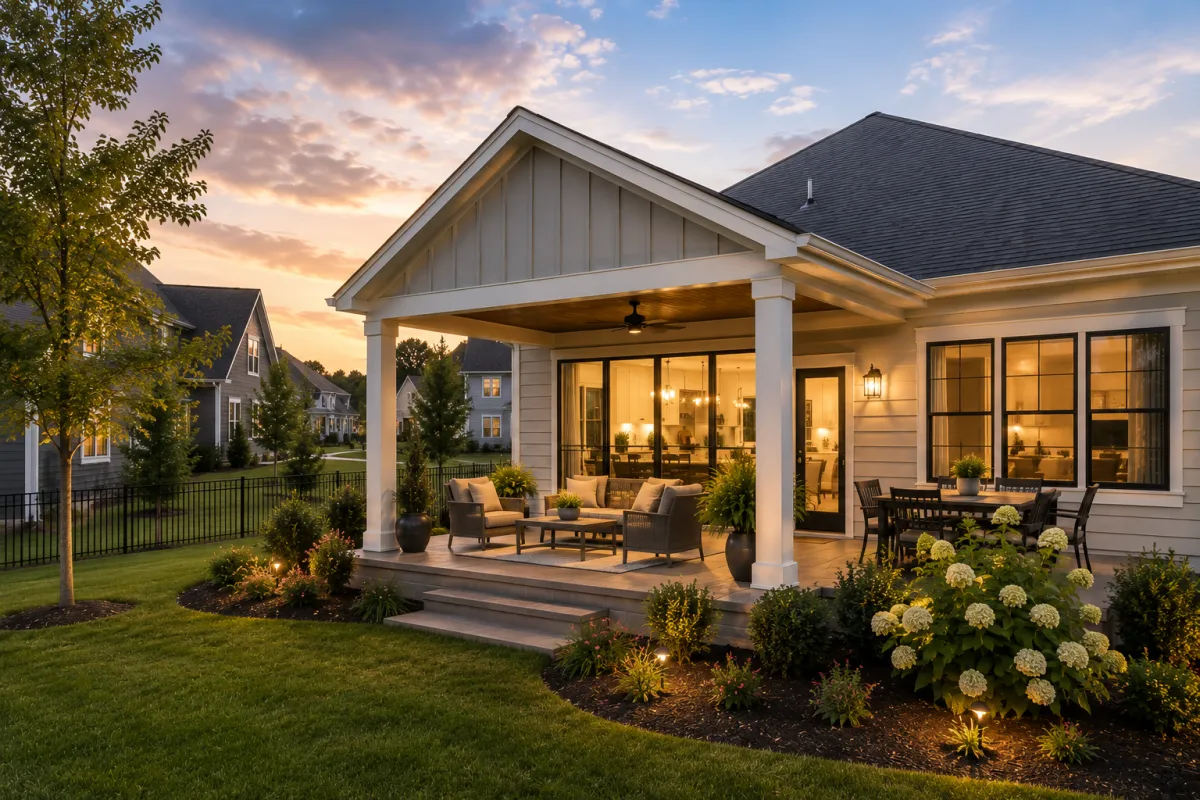
Why Do Buyers in Simpsonville, South Carolina Start Imagining Easier Daily Life in a Practical Layout?
At First Glance
Many buyers in Simpsonville, South Carolina start imagining easier daily life in a practical layout because they can finally see how the home might support their routines.
Earlier in the search, buyers often focus on features.
Bedrooms.
Bathrooms.
Square footage.
Builder upgrades.
But eventually something shifts.
Instead of asking, "What does this home have?"
They begin asking:
"What would life feel like here?"
That's often when practical layouts become much more meaningful.
Why This Matters
One thing many first-time buyers start noticing is that most of life happens in ordinary moments.
Not on closing day.
Not during move-in week.
Not when friends visit for the first time.
Most of homeownership happens on regular weekdays.
Making coffee.
Packing lunches.
Working from home.
Preparing dinner.
Walking the dog.
Relaxing after a long day.
That's why practical layouts often create such a strong emotional response.
Many newer homes in Simpsonville are intentionally designed around how people actually live.
Features often include:
* open-concept kitchens
* kitchen islands
* flexible living spaces
* walk-in pantries
* mudrooms
* covered patios
* natural light
* functional storage
These features may seem simple.
But they often make daily life feel easier.
Something that can surprise buyers is how quickly they start imagining routines when touring a well-designed home.
They stop evaluating the house as a product.
And start imagining it as part of their life.
That's a significant shift.
Because buyers aren't simply choosing a property.
They're choosing the environment where much of life will happen.
A Real Moment During the Buying Process
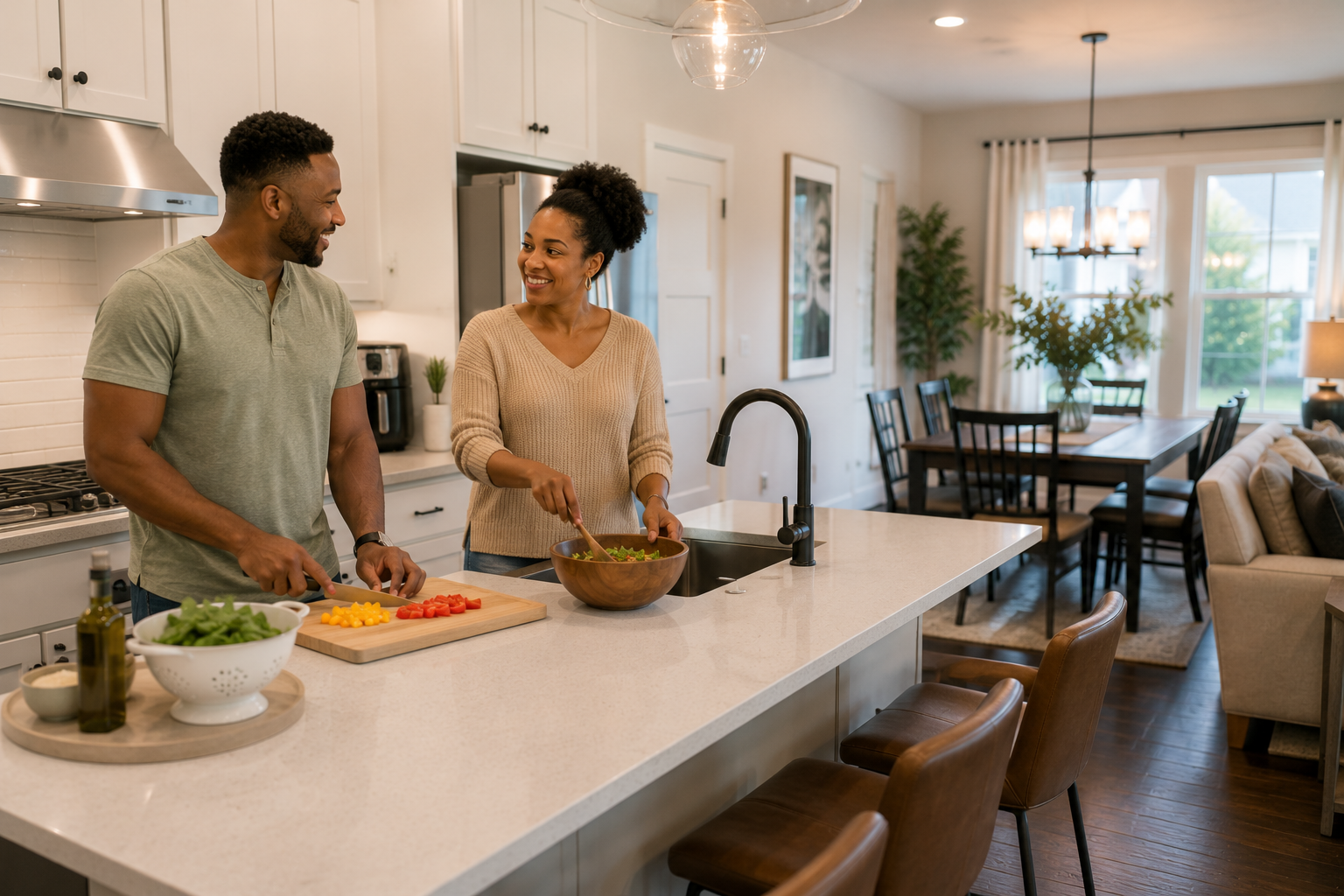
One thing that can happen during tours is that buyers begin talking about life instead of features.
I remember touring newer homes in Simpsonville with buyers who had spent weeks comparing layouts.
At first, every conversation centered around practical details.
Price.
Bedrooms.
Storage.
Builder options.
Then we walked into a home with a particularly functional layout.
The kitchen flowed naturally into the living area.
Large windows brought in natural light.
The pantry offered meaningful storage.
The covered patio extended the living space outdoors.
As we moved through the home, the conversation changed.
Instead of discussing square footage, the buyers started imagining routines.
One buyer pointed toward the kitchen island and said:
"I can picture us eating breakfast there before work."
A few minutes later they were discussing evening walks.
Weekend projects.
Relaxing outside after dinner.
At one point, one of them smiled and said:
"This just feels easier."
That moment wasn't really about the house.
It was about the lifestyle they were imagining.
And that's often where clarity begins to grow.
What Can Help
If you're evaluating homes and trying to determine whether a layout truly fits your life, a few things can help.
Imagine a Typical Weekday
Instead of focusing on move-in day, imagine an ordinary Tuesday.
Think about:
* morning routines
* meal preparation
* work schedules
* pet care
* evening relaxation
How would the home support those activities?
Evaluate Flow
Pay attention to:
* kitchen accessibility
* living room connection
* storage placement
* laundry location
* outdoor access
Good flow often makes daily life feel easier.
Notice Storage
Storage affects functionality more than many buyers expect.
Look for:
* pantry space
* closets
* garage storage
* linen storage
* flexible organization options
Consider Outdoor Living
Many newer communities and homes include outdoor features that extend usable living space.
Think about:
* patios
* backyards
* walking trails
* community spaces
These areas often support everyday enjoyment.
Focus on Lifestyle Support
One question can be especially helpful:
"Will this home make everyday life easier?"
That question often reveals priorities buyers may not have fully recognized.
As buyers begin imagining easier routines and everyday comfort, many eventually discover something important. The homes they continue thinking about are often the homes that support the lifestyle they truly want. That's where clarity starts replacing uncertainty.
Common Things That Trip Buyers Up
* Focusing only on square footage
* Ignoring layout flow
* Overlooking storage needs
* Prioritizing upgrades over functionality
* Forgetting daily routines
* Comparing homes only by size
* Ignoring outdoor living space
* Planning for unlikely future scenarios
* Underestimating convenience
* Confusing features with usability
FAQ
Why do buyers start imagining routines during tours?
Many buyers naturally begin visualizing everyday life once they find a home that feels comfortable and functional.
What makes a layout feel practical?
A practical layout typically supports daily activities through thoughtful flow, storage, flexibility, and usability.
Are newer homes designed differently?
Many newer homes are intentionally designed around modern living patterns and everyday functionality.
Is functionality more important than square footage?
Many buyers eventually discover that functionality often has a greater impact on daily life than total square footage.
Final Thoughts
Many buyers in Simpsonville start imagining easier daily life in a practical layout because they begin seeing homeownership differently.
The search becomes less about acquiring space and more about supporting everyday life.
A well-designed home can help create:
* smoother routines
* greater comfort
* reduced stress
* more meaningful use of space
And for many buyers, that's what ultimately matters.
Not having the biggest home.
Not having every upgrade.
But having a home that supports the life they're trying to build.
This article is for general informational purposes only.
Work With Charlene
Charlene Vandaele is a real estate agent with Fathom Realty in Greenville, South Carolina helping first-time home buyers navigate new construction and newer homes with clarity and confidence.
864-345-9076
Quick Recap
* Many buyers begin imagining daily life during home tours
* Practical layouts often create emotional connection
* Functionality supports everyday routines
* Newer homes frequently prioritize usability
* Storage and flow matter more than buyers expect
* Lifestyle support often becomes a key decision factor
* The right home often feels easier to live in, not simply larger