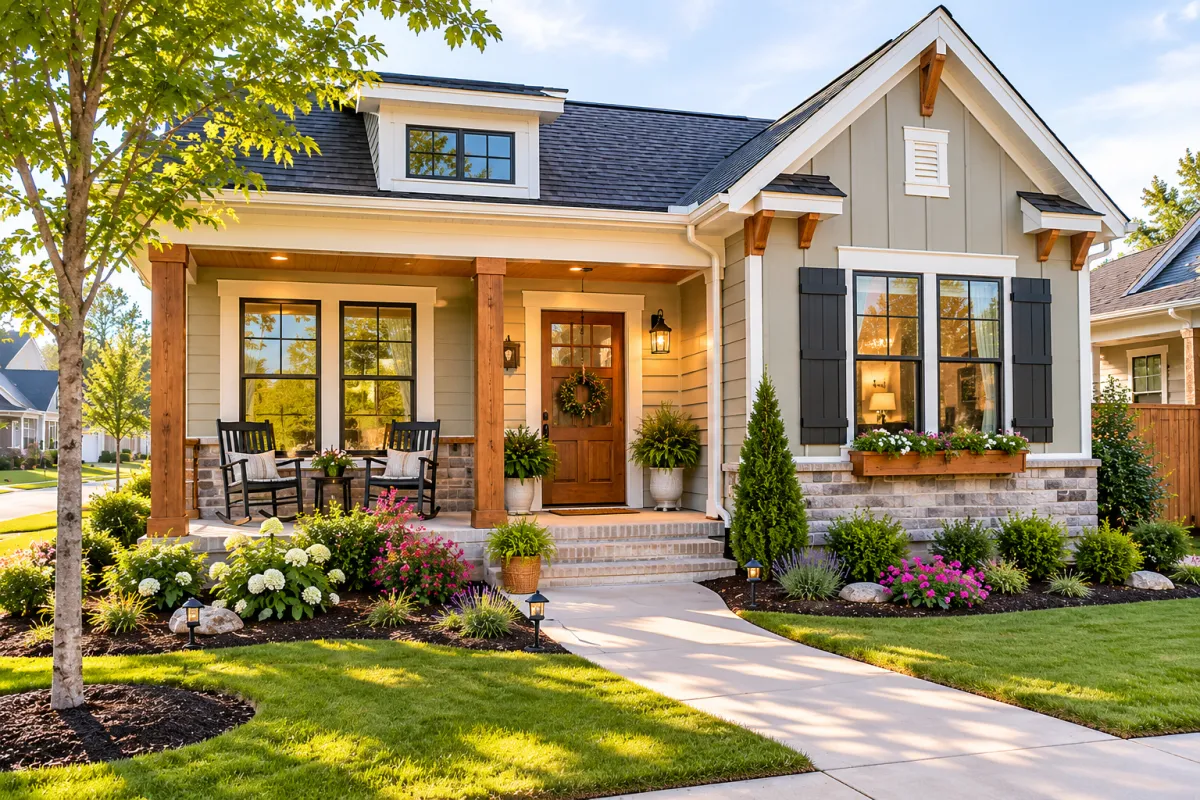
Why Do Buyers in Greenville, South Carolina Start Realizing Bigger Homes Do Not Always Feel Better?
At First Glance
Many buyers in Greenville, South Carolina begin the home search believing bigger automatically means better.
More square footage.
More rooms.
More storage.
More space to grow.
At first, that seems like a logical way to think about homeownership.
After all, buying a home is a major investment, and many first-time buyers want to make sure they're getting as much as possible for their money.
But something interesting often happens as buyers tour newer homes and builder communities throughout Greenville.
They begin realizing that bigger and better aren't always the same thing.
Sometimes the homes that feel the most comfortable, functional, and supportive aren't the largest homes they've seen.
They're the homes that simply fit the way they want to live.
Why This Matters
One thing many first-time buyers start noticing is that square footage only tells part of the story.
A larger home can certainly offer benefits.
Additional bedrooms.
Extra storage.
Dedicated office space.
Flexible bonus rooms.
Those features can be incredibly valuable.
But size alone doesn't determine how a home feels.
Many newer homes throughout Greenville and nearby Simpsonville are designed with functionality in mind.
Builders often focus on:
* open-concept layouts
* efficient use of space
* natural light
* kitchen flow
* flexible living areas
* practical storage
* indoor-outdoor living
As buyers walk through these homes, they sometimes discover that a thoughtfully designed 2,000-square-foot home feels more comfortable than a poorly designed home that's significantly larger.
Something that surprises many buyers is how quickly unused space can lose its appeal.
A room may sound useful on paper.
But if it doesn't support everyday life, its value can feel different after move-in.
That's why many buyers eventually shift their focus away from size alone and start asking a more important question:
"How will this home support everyday life?"
That question often leads to better decisions and less stress.
A Real Moment During the Buying Process
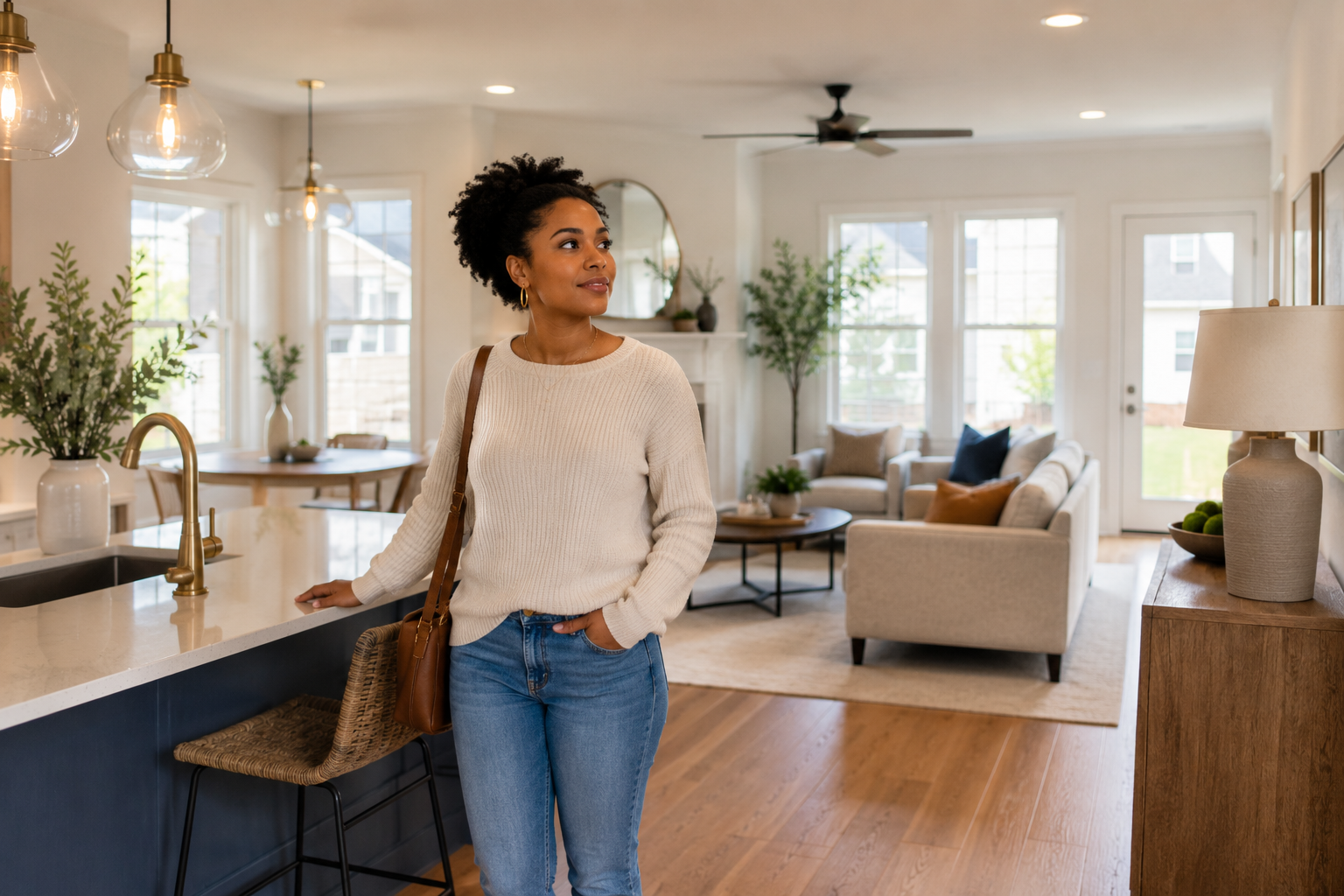
One thing that can happen during tours is that buyers begin challenging assumptions they brought into the process.
I remember walking through several newer homes in Greenville with buyers who were determined to purchase the largest home within their budget.
Every conversation revolved around square footage.
Every comparison focused on room count.
The larger the home, the better it seemed.
Then we toured a smaller home in a newer builder community.
The layout immediately felt different.
The kitchen connected naturally to the living room.
Natural light filled the main living spaces.
Storage had been thoughtfully incorporated throughout the home.
The covered patio extended the usable living area outdoors.
After spending a few minutes walking through the property, one buyer stopped and said:
"This actually feels bigger than some of the larger homes we've seen."
The statement wasn't really about size.
It was about usability.
The home felt easier to navigate.
The spaces felt connected.
The layout felt intentional.
Suddenly, the conversation shifted away from square footage and toward lifestyle.
And that shift brought a surprising amount of clarity.
What Can Help
If you're trying to determine how much home you truly need, a few things can help.
Focus on Function Before Size
Ask yourself:
* How will we use this space?
* Does this layout support our routines?
* Are the rooms practical?
* Does the flow feel natural?
Functionality often matters more than total square footage.
Pay Attention to Kitchen Flow
Many buyers spend a significant amount of time in the kitchen and surrounding living areas.
Look for:
* workspace
* storage
* visibility
* gathering areas
* traffic flow
A well-designed kitchen often impacts daily life more than an extra unused room.
Consider Maintenance
Larger homes can require:
* more cleaning
* more furniture
* more upkeep
* more maintenance
Some buyers appreciate that responsibility.
Others discover they prefer simplicity.
Think About Emotional Comfort
A home doesn't need to be massive to feel spacious.
Natural light.
Open layouts.
Good sight lines.
Thoughtful design.
These elements often create comfort in ways buyers don't always expect.
Picture Daily Life
Instead of asking:
"How much house can I afford?"
Try asking:
"How much house will actually improve our daily life?"
That question often creates better perspective.
As buyers begin focusing less on square footage, many start paying closer attention to how a home actually feels. Over time, emotional comfort often becomes more important than impressive features or additional space.
Common Things That Trip Buyers Up
* Assuming bigger automatically means better
* Comparing homes only by square footage
* Ignoring layout efficiency
* Overlooking natural light
* Underestimating maintenance requirements
* Prioritizing room count over usability
* Focusing on appearances instead of functionality
* Forgetting future lifestyle needs
* Overvaluing rarely used spaces
* Equating size with success
FAQ
Is a bigger home always a better investment?
Not necessarily. Many buyers find that functionality, location, and usability play a significant role in long-term satisfaction.
Why can smaller homes sometimes feel larger?
Thoughtful layouts, natural light, open-concept living, and efficient space planning often make homes feel more spacious.
How much square footage do first-time buyers really need?
The answer varies based on lifestyle, routines, future goals, and personal preferences.
Should buyers prioritize layout over size?
Many buyers discover that layout has a greater impact on everyday living than total square footage alone.
Final Thoughts
Many buyers in Greenville, South Carolina begin their search believing that success means finding the biggest home possible.
That's understandable.
Buying a home is exciting.
And larger homes often seem like they offer more opportunity.
But something that surprises many buyers is that comfort doesn't always come from more space.
Often, it comes from better space.
The homes that create the most satisfaction are frequently the ones that support routines, simplify daily life, and feel comfortable to live in.
That's why many buyers eventually stop focusing solely on square footage and start paying closer attention to how a home actually functions.
Because at the end of the day, the best home isn't always the biggest one.
It's the one that fits your life.
This article is for general informational purposes only.
Work With Charlene
Charlene Vandaele is a real estate agent with Fathom Realty in Greenville, South Carolina helping first-time home buyers navigate new construction and newer homes with clarity and confidence.
864-345-9076
Quick Recap
* Bigger homes do not always feel better
* Functionality often matters more than square footage
* Modern layouts can make smaller homes feel larger
* Natural light and flow influence comfort
* Maintenance should be considered alongside size
* Everyday living matters more than appearances
* The best home is often the one that fits your lifestyle