Why Do Buyers in Greenville, South Carolina Emotionally Connect to Homes That Feel Right-Sized?
At First Glance
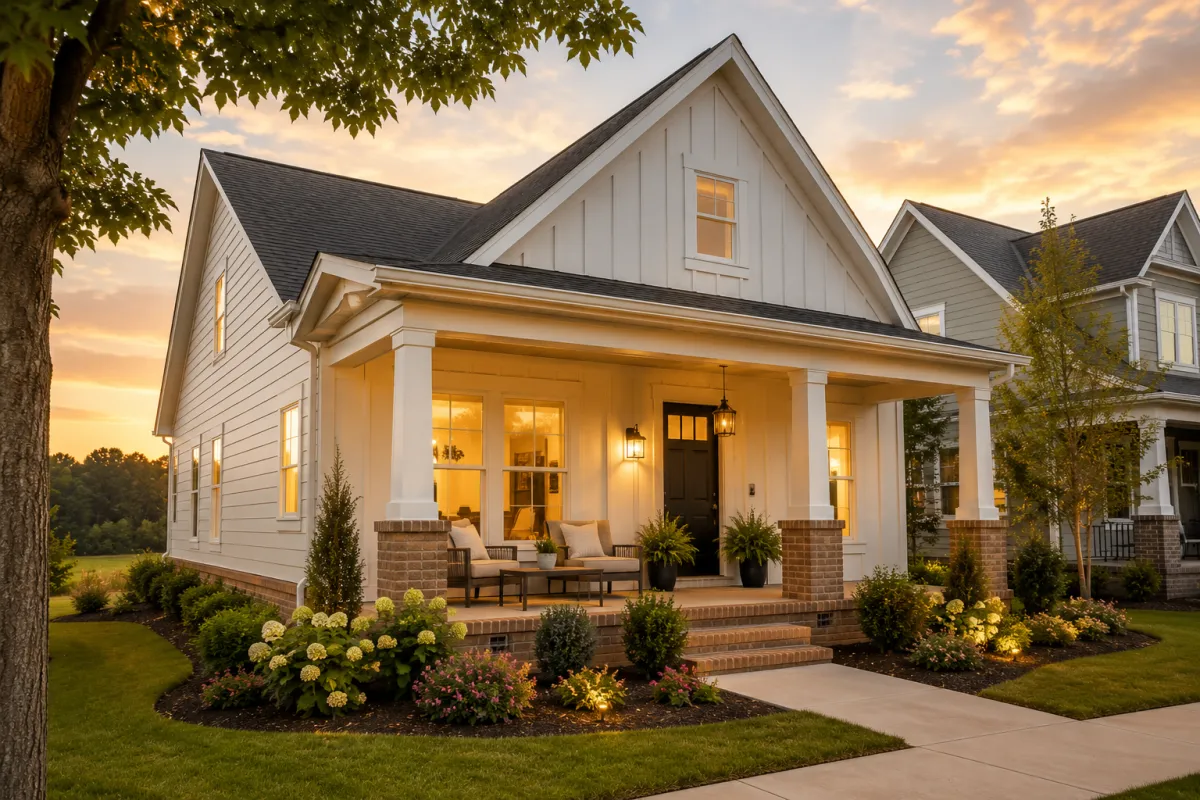
Many buyers in Greenville, South Carolina emotionally connect to homes that feel right-sized because those homes often create a sense of relief.
After weeks of comparing square footage, budgets, layouts, and future possibilities, some buyers walk into a home and feel something unexpected.
The home simply works.
Not because it's the biggest.
Not because it has every upgrade imaginable.
But because it feels comfortable, functional, and easy to live in.
For many first-time buyers, that's when the search starts becoming less about numbers and more about how life might feel there.
Why This Matters
One thing many first-time buyers start noticing is that emotional connection often appears after practical concerns begin settling into place.
Earlier in the search, buyers are focused on questions such as:
* Can we afford it?
* Is there enough space?
* What if our needs change?
* Are we making a mistake?
Those questions are important.
But as buyers continue touring homes, another question often starts emerging:
* Can I actually picture my life here?
That's where emotional connection often begins.
Many newer homes in Greenville are designed around everyday living.
Features such as:
* open-concept kitchens
* natural gathering spaces
* flexible rooms
* walk-in pantries
* useful storage
* covered patios
* natural light
can help buyers imagine routines more easily.
Something that can surprise buyers is that the homes they connect with emotionally are not always the largest homes they tour.
Instead, they're often the homes that feel balanced.
The kitchen works.
The living room feels comfortable.
The layout makes sense.
The storage feels sufficient.
Life feels manageable there.
And that feeling matters.
Because homeownership isn't experienced through square footage.
It's experienced through everyday life.
A Real Moment During the Buying Process
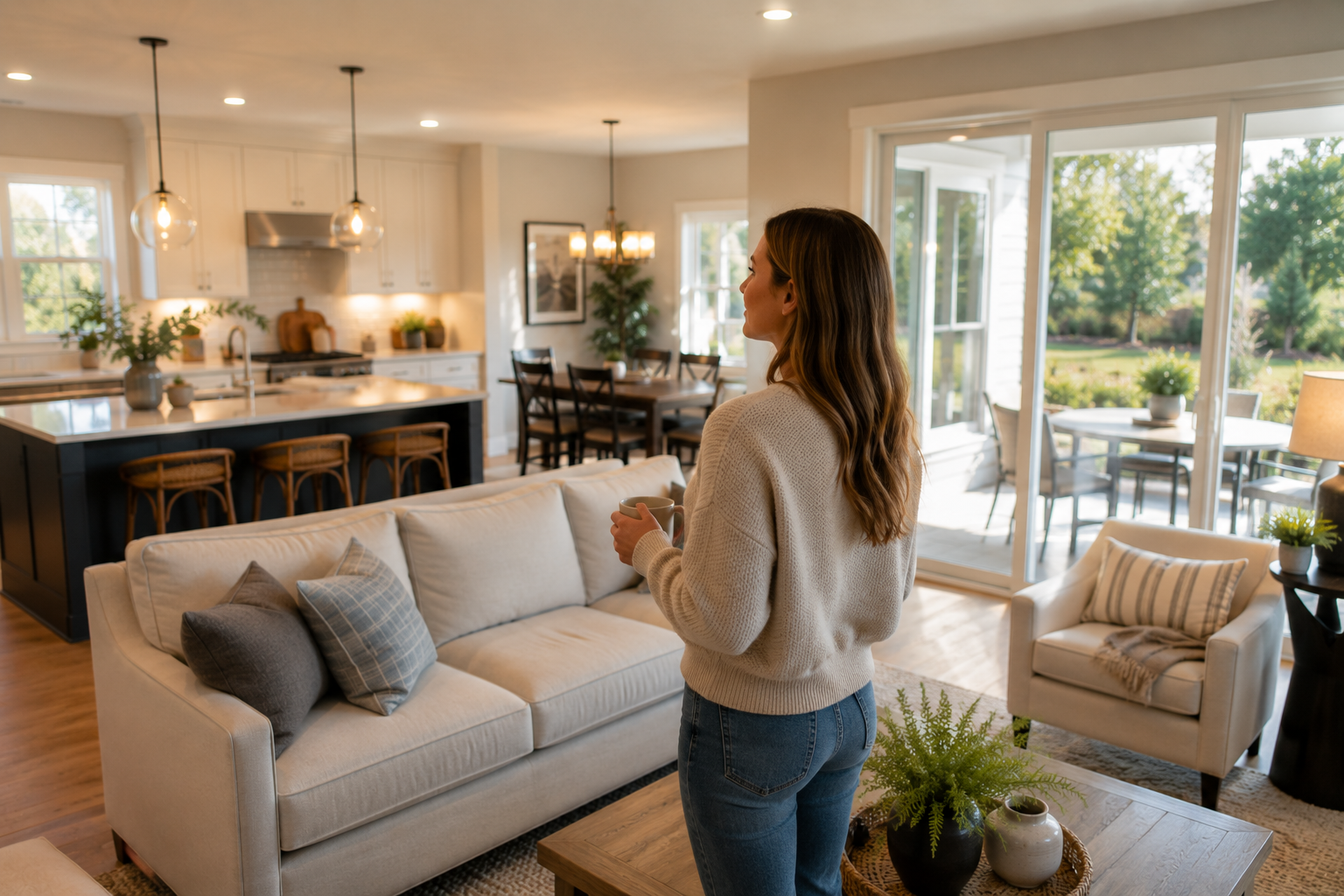
One thing that can happen during tours is that buyers stop analyzing and start imagining.
I remember walking through newer homes in Greenville with buyers who had spent weeks comparing options.
Every conversation had focused on practical concerns.
Price.
Bedrooms.
Square footage.
Builder upgrades.
Storage.
They were trying to make the smartest decision possible.
Then we toured a home that wasn't the largest option available.
In fact, one of the other homes offered noticeably more space.
But as they moved through the home, something changed.
The kitchen connected naturally to the living area.
The natural light felt welcoming.
The flex room made sense for their needs.
The covered patio extended the living space outdoors.
The buyers slowed down.
They spent more time in each room.
Eventually one of them looked around and quietly said:
"This just feels right."
What stood out wasn't excitement.
It was calm.
The pressure seemed to disappear for a moment.
And that's often what emotional connection looks like during the home-buying process.
Not a dramatic reaction.
Just a growing sense that the home supports the life they're trying to build.
What Can Help
If you find yourself emotionally connecting to a home, a few things can help you evaluate those feelings thoughtfully.
Pay Attention to Why It Feels Right
Ask yourself:
* Is the layout functional?
* Does the home support our routines?
* Can we comfortably live here?
* Does daily life feel easier?
Understanding the reason behind the connection can create clarity.
Focus on Everyday Living
Many buyers find it helpful to imagine:
* weekday mornings
* weeknight dinners
* working from home
* hosting family
* relaxing on weekends
Can you picture those moments here?
Look Beyond Square Footage
A home doesn't have to be enormous to work well.
Pay attention to:
* storage
* room flow
* lighting
* flexibility
* outdoor living
These features often influence long-term satisfaction.
Balance Emotion and Practicality
Emotional connection is valuable.
But it works best when combined with practical evaluation.
Consider:
* budget comfort
* functionality
* location
* future flexibility
The strongest decisions usually include both emotion and logic.
Notice How You Feel
Sometimes buyers leave a home and keep thinking about it.
That can be a useful signal.
Not because the home is perfect.
But because it aligns with important priorities.
Once buyers start connecting emotionally to a home, something else often begins happening. They stop focusing solely on the home itself and start imagining what everyday life could feel like there. The conversation shifts from rooms and layouts to routines, habits, and lifestyle.
Common Things That Trip Buyers Up
* Assuming emotional connection isn't important
* Ignoring practical considerations
* Focusing only on square footage
* Comparing homes strictly by numbers
* Overlooking functionality
* Confusing excitement with long-term fit
* Ignoring daily routines
* Chasing upgrades instead of usability
* Expecting certainty
* Forgetting to evaluate lifestyle support
FAQ
Is it normal to feel emotionally attached to a home?
Yes. Many buyers develop emotional connections when a home aligns with their lifestyle, priorities, and daily routines.
Should emotion influence my decision?
Emotion can be helpful when balanced with practical considerations such as budget, location, and functionality.
Why do some homes feel bigger than others?
Layout, storage, natural light, and flow often influence how spacious a home feels.
What makes a home feel right-sized?
Many buyers describe right-sized homes as comfortable, functional, manageable, and supportive of everyday life.
Final Thoughts
Many buyers in Greenville emotionally connect to homes that feel right-sized because those homes often provide something buyers have been searching for throughout the process.
Clarity.
After the uncertainty.
After the comparisons.
After the mental overwhelm.
A home that feels right-sized often creates confidence.
Not because it's perfect.
But because it supports the life buyers are trying to build today while still offering flexibility for tomorrow.
And for many first-time buyers, that's what matters most.
A home that feels comfortable.
A home that feels functional.
A home that feels like it fits.
This article is for general informational purposes only.
Work With Charlene
Charlene Vandaele is a real estate agent with Fathom Realty in Greenville, South Carolina helping first-time home buyers navigate new construction and newer homes with clarity and confidence.
864-345-9076
Quick Recap
* Many buyers emotionally connect to homes that feel right-sized
* Emotional connection often follows practical evaluation
* Functionality matters as much as square footage
* Newer homes often support everyday living through thoughtful design
* Buyers frequently imagine routines before making decisions
* Emotional comfort and practicality can work together
* A right-sized home often creates clarity and confidence