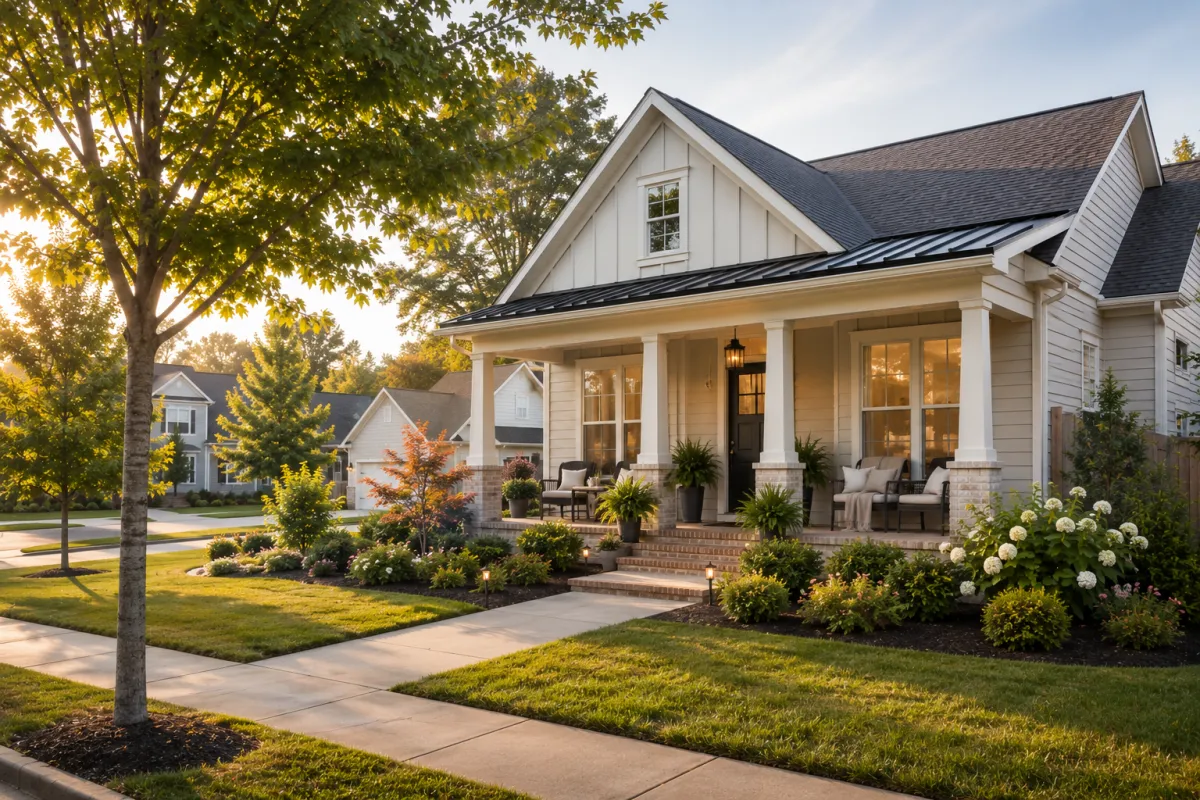
Why Do Buyers in Greenville, South Carolina Emotionally Connect to Homes That Feel Calm Right Away?
At First Glance
Many buyers in Greenville, South Carolina emotionally connect to homes that feel calm right away because they're not just evaluating a property anymore.
They're imagining how life might feel there.
Earlier in the home-buying process, many first-time buyers focus on practical questions.
Price.
Location.
Square footage.
Storage.
Commute times.
But as they tour more homes, something often changes.
Certain homes simply feel different.
The layout feels comfortable.
The lighting feels inviting.
The flow feels natural.
And even when buyers can't fully explain it, they often find themselves lingering a little longer.
That's because homes aren't just physical spaces.
They're emotional spaces too.
Why This Matters
One thing many first-time buyers start noticing is that calm isn't usually created by one specific feature.
It's often the result of many things working together.
A lot of newer homes and builder communities throughout Greenville are intentionally designed around functionality and comfort.
Open-concept living areas.
Natural light.
Thoughtful storage.
Flexible layouts.
Connected indoor and outdoor spaces.
Practical kitchen design.
When these elements come together, they often create a feeling that's difficult to describe but easy to recognize.
Something that can surprise buyers is that emotional connection doesn't necessarily come from luxury features.
It often comes from functionality.
A home that feels easy to live in.
A kitchen that flows naturally.
A living room that feels welcoming.
A backyard that encourages relaxation.
A layout that supports daily routines.
Many buyers initially think they're searching for the "best" home.
Over time, some begin realizing they're actually searching for a home that feels supportive.
Comfortable.
Peaceful.
Manageable.
And that's where emotional connection often begins.
A Real Moment During the Buying Process
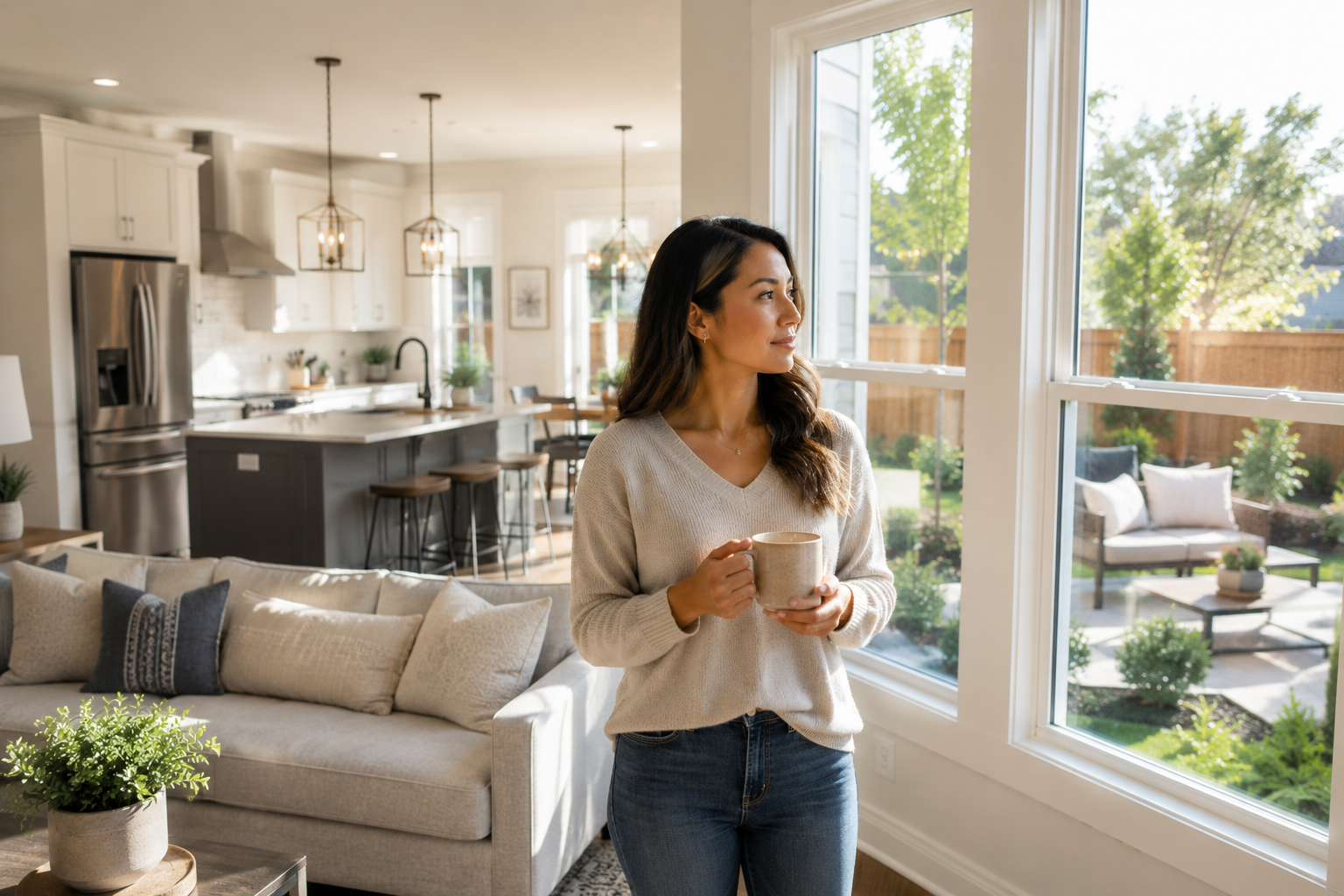
One thing that can happen during tours is that buyers stop talking about features and start talking about life.
I remember walking through a newer home in Greenville with a first-time buyer who had spent weeks comparing properties online.
She had spreadsheets.
Lists.
Notes.
Photos.
Every home had strengths and weaknesses.
Every decision felt complicated.
Then we toured a home in a newer community.
Nothing about it felt extravagant.
But it felt comfortable.
As we walked through the living area, sunlight filled the room through large windows.
The kitchen connected naturally to the main living space.
The backyard patio felt private and usable.
The buyer stood quietly for a moment.
Then she smiled and said:
"This just feels peaceful."
That reaction wasn't about countertops.
Or flooring.
Or cabinet colors.
It was about emotional comfort.
For the first time, she wasn't thinking about comparing homes.
She was imagining life there.
And that's often the point where emotional attachment begins.
What Can Help
If you're touring homes and finding yourself emotionally drawn to certain spaces, it can help to understand what's creating that feeling.
Pay Attention to Natural Light
Many buyers are surprised by how much natural light affects comfort.
Notice:
* window placement
* brightness throughout the home
* views from common areas
* overall atmosphere
Natural light often contributes to a sense of calm.
Evaluate Flow
A home can be beautiful and still feel awkward.
Pay attention to:
* how rooms connect
* traffic patterns
* kitchen accessibility
* outdoor access
* gathering spaces
Flow often influences daily comfort more than buyers expect.
Think About Daily Routines
Ask yourself:
* Where would mornings happen?
* Where would groceries go?
* Where would guests gather?
* How would pets move through the home?
* How would everyday life function here?
These questions often reveal why a home feels comfortable.
Notice Emotional Reactions
While practical evaluation matters, don't ignore your own observations.
Some buyers notice:
* feeling relaxed
* feeling comfortable
* feeling less rushed
* imagining future routines
Those reactions can provide useful information.
Ask One Important Question
Instead of asking:
"Is this the perfect home?"
Try asking:
"Does this home support the life I'm trying to build?"
That question often creates more clarity.
As buyers begin connecting emotionally to homes that feel calm and comfortable, another shift often happens.
They stop focusing primarily on the house itself and begin imagining the lifestyle those spaces could support.
That's often where the next stage of the journey begins.
Common Things That Trip Buyers Up
* Ignoring functionality because a home looks beautiful
* Assuming emotional connection means losing objectivity
* Focusing only on upgrades
* Overlooking layout flow
* Underestimating natural light
* Comparing homes only on price
* Ignoring daily routines
* Chasing perfection
* Dismissing emotional comfort
* Forgetting long-term usability
FAQ
Is it normal to feel emotionally connected to a home?
Yes. Many buyers find themselves emotionally connecting to homes that feel comfortable, functional, and supportive of their lifestyle.
Does emotional connection mean I should buy the home?
Not necessarily. Practical considerations still matter. Emotional connection is simply one piece of the decision-making process.
Why do some homes feel calmer than others?
Layout flow, natural light, storage, functionality, and overall design often contribute to how a home feels.
Can newer homes create stronger emotional connections?
Many buyers appreciate the intentional layouts and functionality found in newer homes, which can contribute to comfort and ease of living.
Final Thoughts
Many buyers in Greenville emotionally connect to homes that feel calm right away because they're looking for more than a property.
They're looking for a place where life feels easier.
More comfortable.
More manageable.
More aligned with the future they're building.
That's why emotional connection often develops around practical features.
Good lighting.
Thoughtful layouts.
Useful storage.
Flexible living spaces.
Peaceful outdoor areas.
These things don't just improve how a home looks.
They improve how a home feels.
And for many buyers, that's when the search starts becoming less about comparing houses and more about recognizing where they belong.
This article is for general informational purposes only.
Work With Charlene
Charlene Vandaele is a real estate agent with Fathom Realty in Greenville, South Carolina helping first-time home buyers navigate new construction and newer homes with clarity and confidence.
864-345-9076
Quick Recap
* Many buyers emotionally connect to homes that feel calm
* Emotional comfort often comes from functionality
* Natural light and layout flow influence how a home feels
* Practical design can create emotional attachment
* Daily routines help reveal what matters most
* Emotional connection and practical evaluation can work together
* The right home often feels supportive of everyday life