Why Do Buyers Emotionally Connect to Homes With Flexible Spaces?
At First Glance
Many buyers emotionally connect to homes with flexible spaces because those rooms help them imagine possibilities.
A guest room can serve one purpose.
A flex room can serve many.
At first, buyers may think they're responding to the square footage or the layout itself.
But often they're reacting to something deeper.
They're imagining a future that feels adaptable.
Comfortable.
Less restrictive.
That's why flexible spaces often create surprisingly strong emotional reactions during home tours.
Why This Matters
One thing many first-time buyers start noticing is that buying a home isn't just about today's needs.
It's also about tomorrow's possibilities.
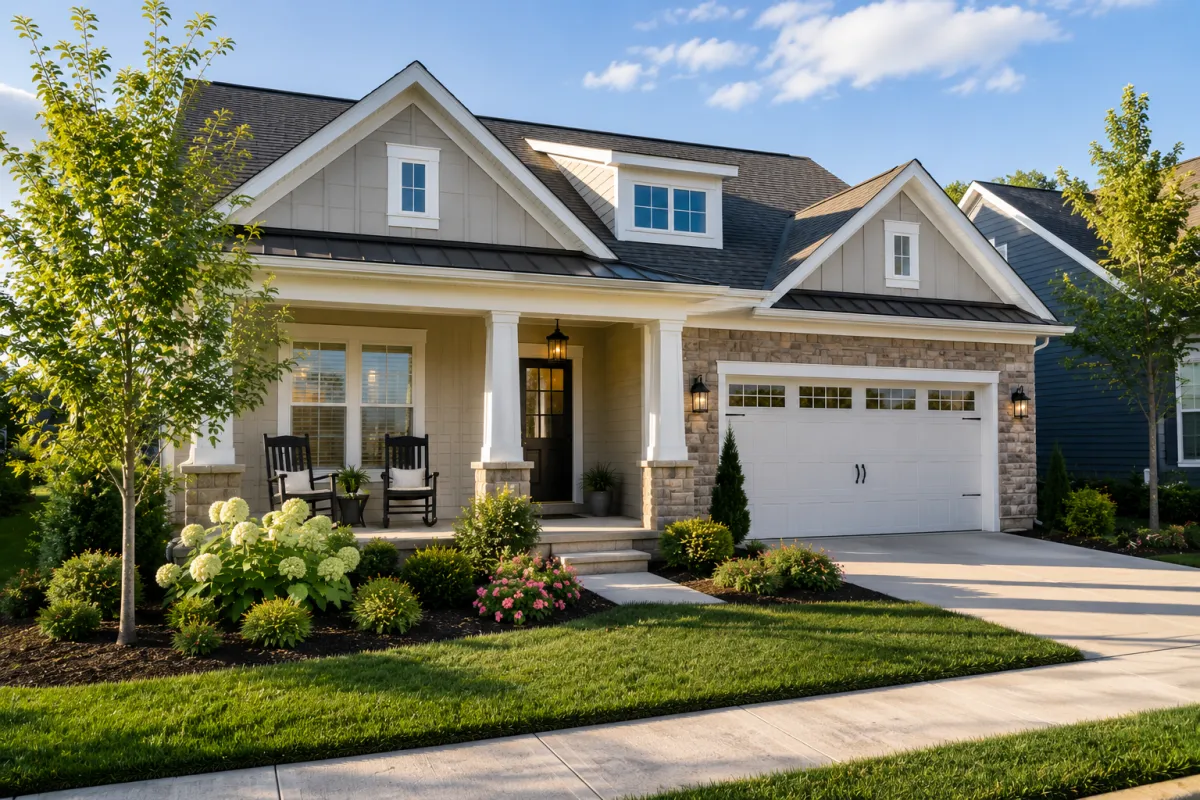
Many newer homes throughout Greenville and nearby Simpsonville communities are intentionally designed with this in mind.
Builder communities frequently include:
• flex rooms
• lofts
• bonus spaces
• studies
• multi-purpose rooms
• adaptable layouts
These features help buyers imagine a future they feel excited about.
Beautiful homes naturally create excitement.
The kitchen feels inviting.
The large windows create beautiful natural light throughout the day.
The open-concept gathering spaces feel welcoming.
The finishes feel attractive and thoughtfully selected.
The outdoor living spaces feel relaxing and enjoyable.
These emotional reactions matter.
Buying a home should feel exciting.
Something that can surprise buyers is that emotional attachment often develops around functionality.
Not because buyers are thinking about functionality directly.
Because functionality creates freedom.
A lot of buyers begin realizing that flexible spaces represent options.
A home office today.
A nursery tomorrow.
A workout room next year.
A hobby room down the road.
The room can change as life changes.
That feeling often creates comfort.
How will this home support everyday life?
How will this home feel to live in after move-in day?
Those questions frequently explain why flexible spaces feel so appealing.
A Real Moment During the Buying Process
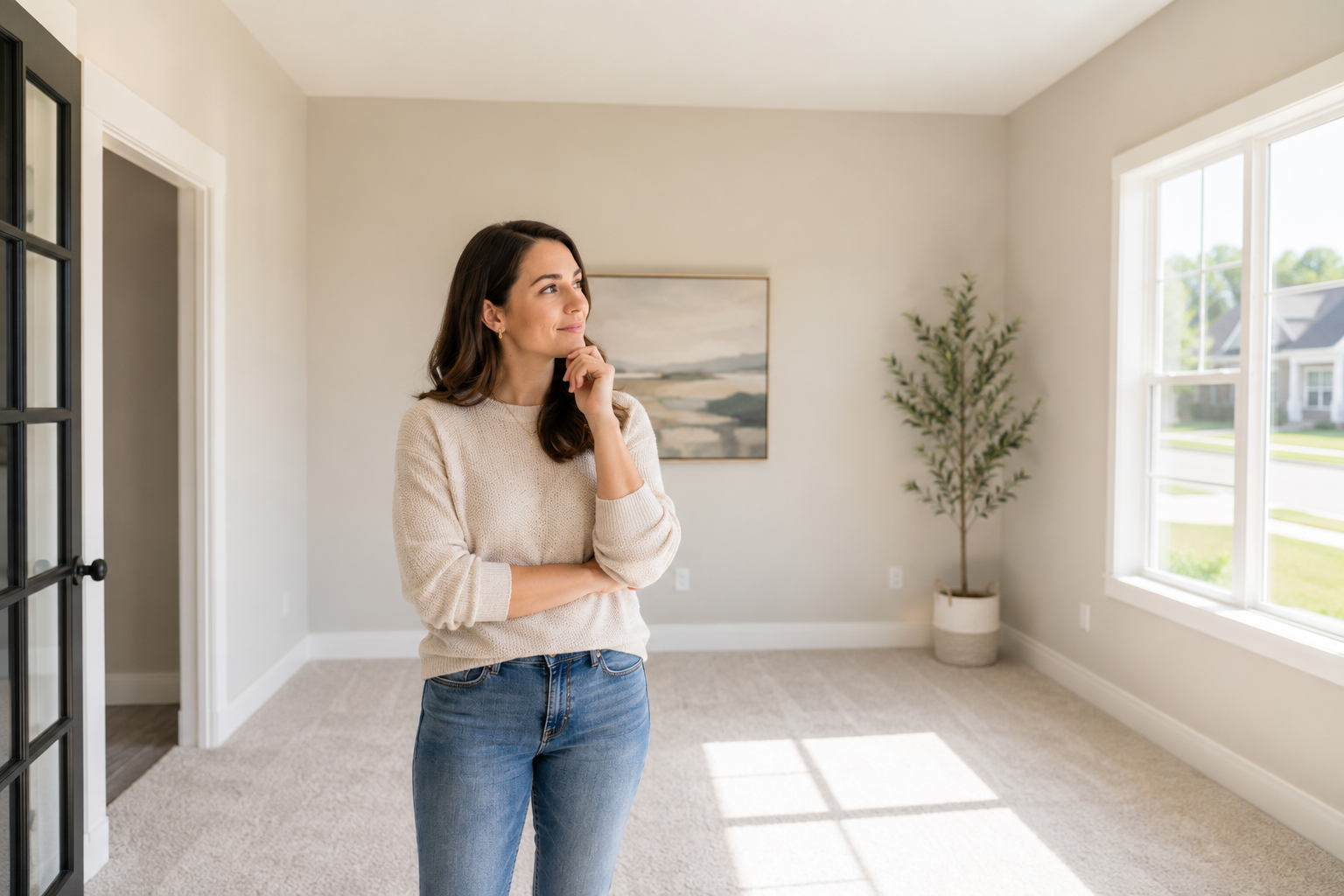
A first-time buyer was touring newer homes in Greenville after spending several weekends looking at builder communities.
The homes were beautiful.
The kitchens felt bright and welcoming.
Natural light filled the gathering spaces.
The finishes looked modern and attractive.
Everything felt exciting.
Then she walked into a flex room located near the front of the home.
At first, she wasn't sure what to think.
The room didn't have a specific purpose.
It wasn't labeled as a bedroom.
It wasn't labeled as an office.
It wasn't clearly defined.
She stood there quietly for a moment.
Then she started talking through possibilities.
"This could be an office."
A few seconds later:
"Or maybe a reading room."
Then:
"If we have kids someday, maybe a playroom."
A few moments later she laughed.
"I don't even know what I'd use it for, but I really like it."
It was an honest reaction.
She wasn't responding to a specific feature.
She was responding to flexibility.
For the first time during the tour, she wasn't comparing upgrades.
She wasn't comparing square footage.
She was imagining future life.
The room gave her permission not to have everything figured out.
That feeling created comfort.
And comfort often creates emotional attachment.
What Can Help
If you find yourself drawn to flexible spaces during home tours, it can help to understand why.
Think About Your Lifestyle Today
Ask yourself:
• Do I work from home?
• Do I have hobbies that need dedicated space?
• Do I want room to grow into the home?
• How often do my needs change?
• What activities matter most to me?
The answers often reveal why flexibility feels valuable.
Think About Future Possibilities
Many buyers naturally focus on immediate needs.
It can also help to consider:
• future family changes
• work-from-home flexibility
• guest accommodations
• hobbies
• fitness goals
• evolving routines
The strongest floorplans often adapt to changing needs.
Pay Attention to Emotional Comfort
Something that can surprise buyers is how reassuring flexibility feels.
A room with multiple possibilities can reduce pressure.
It allows buyers to make a decision without needing every future detail figured out today.
That emotional comfort matters.
Evaluate Functionality Alongside Beauty
Beautiful homes deserve appreciation.
The inviting kitchen.
The natural light.
The thoughtful finishes.
The welcoming gathering spaces.
These features help buyers imagine a future they feel excited about.
The goal isn't to ignore those emotional reactions.
The goal is understanding how those beautiful spaces support everyday living.
Enjoy the beauty.
Understand the lifestyle.
Appreciate the finishes.
Evaluate the functionality.
The strongest home-buying decisions often balance all four.
That emotional connection often becomes even stronger when buyers begin picturing how everyday routines will unfold inside a home. Instead of simply admiring the layout, they start imagining the life they could build there.
Common Things That Trip Buyers Up
• Assuming every room needs a specific purpose immediately
• Designing around future fears instead of current needs
• Comparing square footage instead of functionality
• Feeling pressure to predict every future life change
• Overlooking flexibility as a valuable feature
• Focusing only on upgrades
• Forgetting how quickly lifestyles evolve
FAQ
Why do flexible spaces feel so appealing?
Many buyers appreciate flexible spaces because they provide options and adaptability as life changes over time.
Is a flex room better than a traditional room?
Not necessarily. The best choice depends on your lifestyle and how you expect to use the home.
Do flexible spaces add value to daily living?
Many buyers find that adaptable spaces create convenience, functionality, and peace of mind.
How should I evaluate a flex room?
It can help to imagine how the space could support both your current routine and future possibilities.
Final Thoughts
Many buyers emotionally connect to homes with flexible spaces because those rooms create a sense of possibility.
Not uncertainty.
Possibility.
Beautiful homes naturally create excitement.
Inviting kitchens.
Natural light.
Thoughtful finishes.
Open-concept living spaces.
Welcoming outdoor areas.
These features help buyers imagine a future they feel excited about.
They matter.
At the same time, flexibility shapes long-term comfort.
A room that adapts.
A space that evolves.
A layout that supports changing routines.
Those features often create a different kind of value.
Not excitement.
Confidence.
The strongest home-buying decisions usually balance both.
Beauty and practicality.
Emotion and logic.
Excitement and clarity.
A flexible space doesn't simply provide another room.
It provides options.
And for many buyers, that feeling creates emotional comfort long before move-in day.
This article is for general informational purposes only.
Work With Charlene
Charlene Vandaele is a real estate agent with Fathom Realty in Greenville, South Carolina helping first-time home buyers navigate new construction and newer homes with clarity and confidence.
864-345-9076
Quick Recap
• Many buyers emotionally connect to flexible spaces because they represent possibilities
• Flex rooms often create comfort by allowing future adaptability
• Beautiful design and functionality should work together
• Flexible spaces can support changing routines and life stages
• The strongest home-buying decisions balance excitement with long-term usability