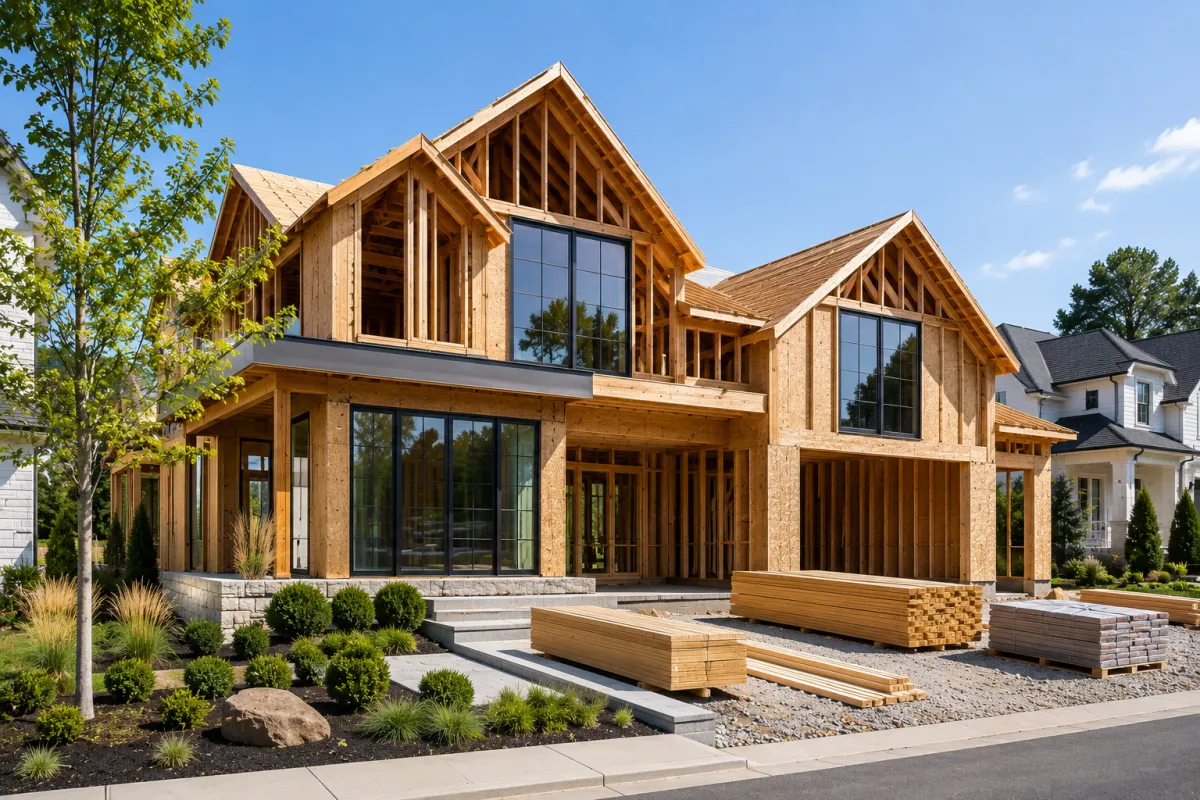
Why Can’t Buyers Always Make Changes After Construction Starts in Greenville, SC?
At first glance
A lot of first-time buyers assume they’ll be able to make changes throughout the entire construction process.
That sounds reasonable at first.
You walk through the model home, pick a floor plan you love, and start imagining little adjustments you may want later.
Then construction starts, and suddenly buyers hear things like:
“That stage has already been ordered.”
“We’re past the cutoff.”
“That option is no longer available.”
That can feel frustrating and confusing if nobody explained the timing clearly upfront.
Especially when buyers are emotionally attached to the home and still trying to figure out how they actually want the house to function day to day.
Why this matters
New construction homes in Greenville, South Carolina move through very specific building stages.
Once certain materials, layouts, or selections are approved, builders often begin:
* ordering products
* scheduling crews
* coordinating inspections
* organizing timelines
* preparing subcontractors
At that point, changes can become more difficult because one adjustment may affect:
* labor scheduling
* inspections
* permits
* materials
* pricing
* construction timing
* future phases of the build
For first-time buyers, this can feel personal because they’re emotionally attached to the home and trying to picture daily life inside it.
For builders, the process is usually operating more like a production schedule.
That difference in perspective can catch buyers off guard sometimes.
A buyer may feel:
“This is my future home.”
Meanwhile the builder may be thinking:
“We’re already moving into the next construction phase.”
Neither side is necessarily wrong.
They’re simply experiencing the process differently.
A real moment I see often
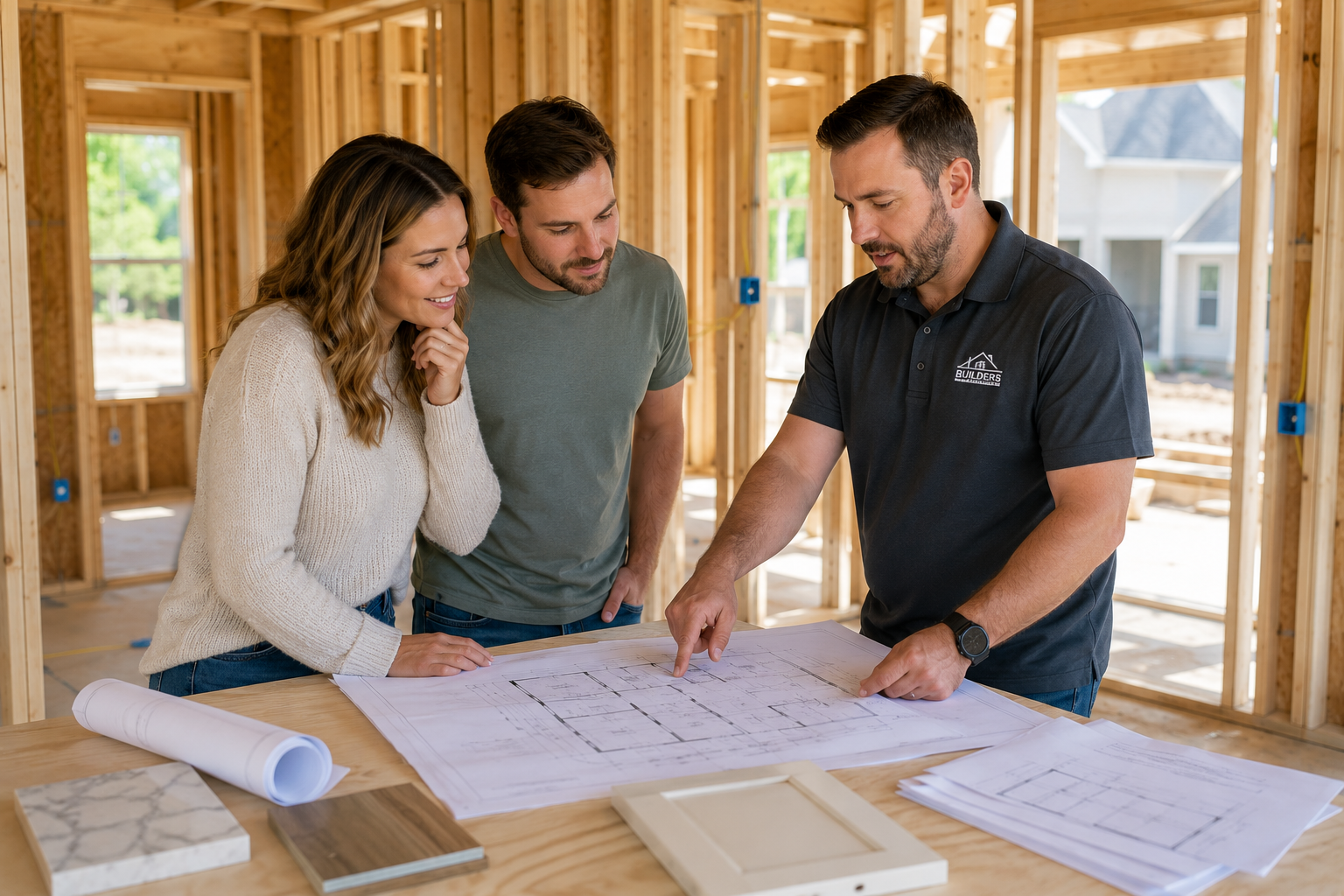
A buyer may decide halfway through construction that they want to:
* move an outlet
* change flooring
* add cabinets
* adjust a shower layout
* add recessed lighting
* move a cable outlet
* change the kitchen island configuration
That’s very normal.
Sometimes people simply understand the home differently once framing or drywall starts making the rooms feel real.
One buyer recently said:
“What if we realize later we picked the wrong thing?”
That’s honestly one of the biggest fears many first-time buyers carry during new construction.
Nobody wants to feel stuck with a decision they rushed through earlier.
And honestly, many people become much more thoughtful after living in their first home.
That’s usually when buyers start realizing things like:
* where they wish outlets were located
* which lights they wish had dimmers
* how important storage actually is
* how traffic flows through the kitchen
* where backpacks, shoes, pet supplies, or laundry realistically end up every day
Those details often don’t fully click until someone has already lived through daily life in a home before.
What can help
Understanding that builders work in phases
Many builders operate with deadlines tied to:
* ordering materials
* scheduling contractors
* inspections
* cabinetry production
* flooring installation
* plumbing and electrical stages
Once certain phases begin, changes may become harder to coordinate.
That doesn’t always mean changes are impossible, but timing can matter quite a bit.
Taking extra time during design selections
Some buyers choose to slow down a little during:
* cabinet selections
* flooring decisions
* electrical planning
* kitchen layouts
* storage planning
* lighting selections
It can help to think about everyday life inside the home instead of focusing only on what looks beautiful in the model home.
Sometimes functionality matters more long term than trendy finishes.
Asking questions early
Many first-time buyers don’t realize there are cutoff dates tied to different construction stages.
Simple questions early in the process can sometimes prevent stress later.
Questions like:
* When do electrical changes need to be finalized?
* When are cabinet selections locked in?
* Which upgrades are easier to add now versus later?
* Are there changes that become expensive after construction?
Those conversations can help buyers feel more confident before decisions become permanent.
Focusing on the biggest functionality decisions first
Small cosmetic details may feel easier to adjust later than structural or electrical changes.
Some buyers find it helpful to prioritize:
* storage
* lighting
* outlet placement
* kitchen flow
* laundry room setup
* shower layouts
* garage organization
* internet and TV locations
* workspace functionality
Those daily-life details often matter more than people expect after move-in.
Understanding that model homes are designed differently
Many buyers walk through model homes and assume everything they see comes standard.
That’s not always the case.
Model homes are often designed to:
* inspire buyers emotionally
* showcase upgrades
* display premium finishes
* maximize visual appeal
Sometimes buyers feel less pressure once they realize they don’t need to recreate every design detail perfectly.
Giving yourself permission not to make “perfect” decisions
A lot of first-time buyers feel pressure to get every decision exactly right.
That can become emotionally exhausting.
Most homeowners eventually discover small things they would change later.
That’s part of living in a home and learning how it functions for your real life.
Part of the new construction process is learning how to balance expectations with the realities of construction schedules, inspections, and builder systems. That can make the experience feel much less stressful for first-time buyers.
Common things that trip buyers up
Here are a few common misunderstandings buyers experience during new construction in Greenville, South Carolina:
* assuming all upgrades can be changed anytime
* waiting too long to make design decisions
* choosing finishes too quickly because the process feels overwhelming
* forgetting to think about everyday functionality
* assuming model homes reflect standard features
* feeling rushed during selection appointments
* comparing their options to another buyer’s contract or phase
* focusing mostly on cosmetic upgrades
* underestimating how emotional design decisions can feel
A lot of first-time buyers feel pressure to make “perfect” decisions.
That pressure can make the process feel emotionally exhausting sometimes.
FAQ
Can buyers make changes after construction starts?
In some situations, certain changes may still be possible depending on the construction stage and builder process.
Why do builders have cutoff dates?
Builders often coordinate materials, contractors, inspections, and scheduling in phases, so timing can affect what adjustments are possible.
Are structural changes harder to make later?
In many cases, structural, plumbing, or electrical changes may become more complicated once construction progresses.
Do all builders handle changes the same way?
Not always. Builder policies and timelines can vary between communities and construction phases.
Final Thoughts
New construction can feel emotional because buyers are trying to make important decisions before fully living in the space.
That’s hard sometimes.
Especially for first-time buyers who are already worried about making an expensive mistake.
A little extra planning, clear communication, and focusing on how the home will actually function day to day can often make the process feel much more manageable.
It can also help to remember that many homeowners become much more thoughtful after living in their first home.
That experience often changes how people think about lighting, storage, room flow, outlets, organization, and daily routines.
Every situation can be a little different, so having the right guidance for your specific situation can make a big difference.
This article is for general informational purposes only.
Work With Charlene
Charlene Vandaele is a real estate agent with Fathom Realty in Greenville, South Carolina helping first-time home buyers navigate new construction and newer homes with clarity and confidence.
864-345-9076
Quick Recap
* Builders often work within structured construction phases
* Certain changes may become harder after materials and labor are scheduled
* Buyers sometimes understand the home differently once construction progresses
* Asking questions early can help reduce stress later
* Functionality decisions often matter more than cosmetic details after move-in
* Many buyers become more thoughtful after living in their first home
* Model homes often include upgrades that may not come standard
* Many first-time buyers feel emotionally overwhelmed during the selection process, and that’s very normal