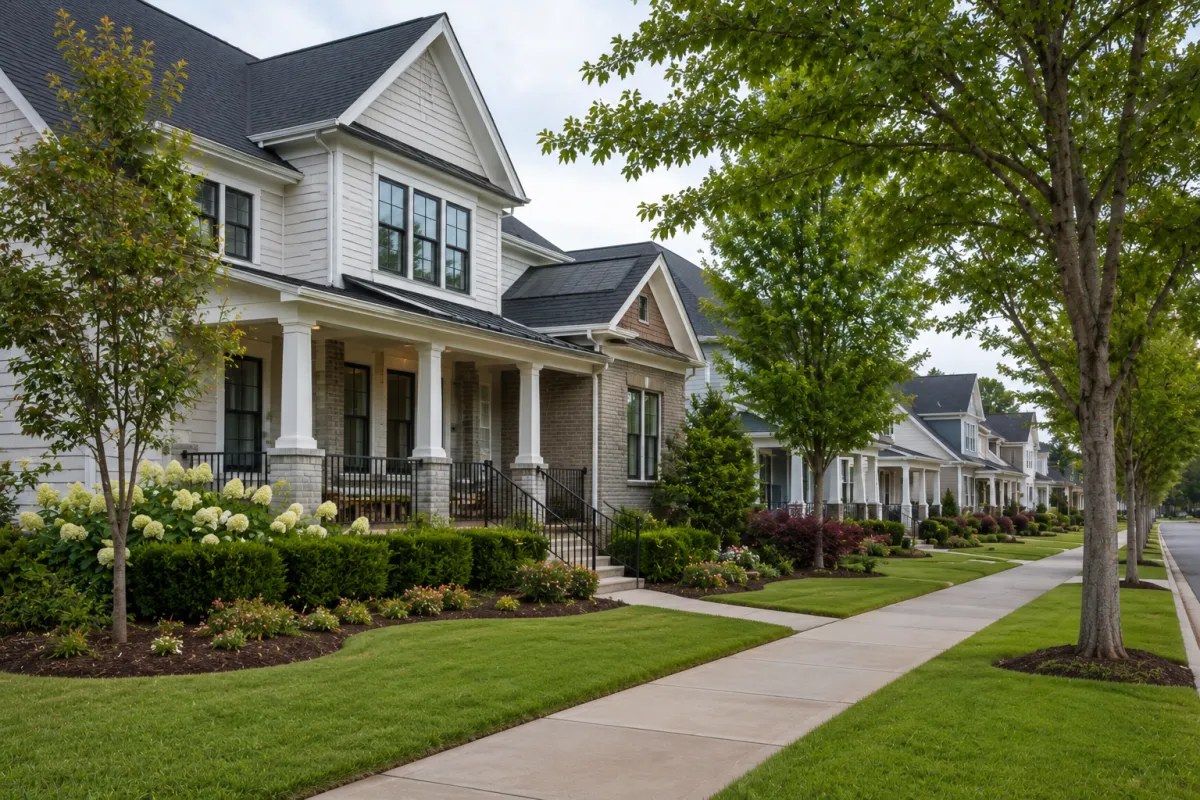
Why Can the Same Floor Plan Feel Completely Different in Two Different Neighborhoods?
At First Glance
During a recent day of touring newer construction communities in the Upstate, I found myself thinking about something I hadn't expected.
The floor plans were surprisingly similar.
The layouts made sense.
The rooms flowed well.
If you compared the homes on paper, you might think they would feel almost identical.
But they didn't.
Each home created a completely different feeling simply because of the neighborhood around it.
That observation reminded me that when buyers begin searching for new construction in Greenville, South Carolina, they aren't just choosing a floor plan. They're also choosing the setting where that floor plan will become part of their everyday life.
Why This Matters
One of the easiest things to do when shopping for a new construction home is compare floor plans side by side.
How many bedrooms?
How many bathrooms?
Is there a flex room?
How large is the kitchen?
Those are important questions.
But during my tours, I realized something else deserves just as much attention.
The exact same home can create a completely different experience depending on where it's built.
Imagine waking up in the same bedroom every morning.
One neighborhood encourages evening walks.
Another may place you closer to restaurants, shopping, or your daily commute.
One community feels more active.
Another feels quieter.
The walls of the home haven't changed.
Your everyday experience has.
That's why I encourage buyers to evaluate both the house and the neighborhood together rather than treating them as separate decisions.
A Real Moment During the Buying Process
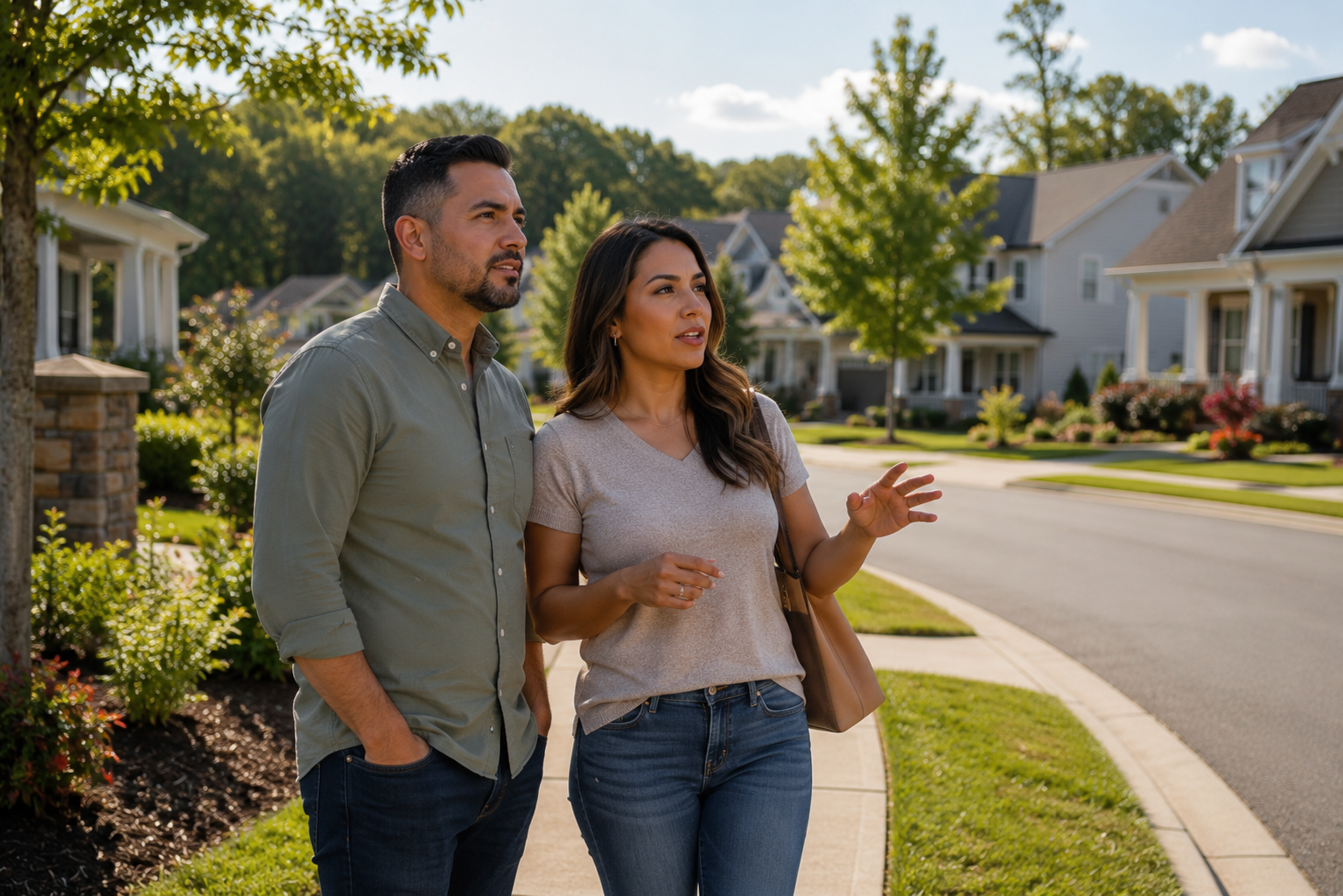
Imagine you've narrowed your search to two beautiful new construction communities near Greenville, South Carolina.
The builder offers nearly identical floor plans in both locations.
You walk through the first home and immediately start picturing where your furniture would go.
Later that afternoon, you tour the second neighborhood.
The house feels familiar because the layout is almost the same.
But something is different.
As you drive through the community, you begin imagining your daily routine.
Would you enjoy walking after dinner?
How long would your morning commute feel?
Would you spend time outside?
Would this neighborhood fit the pace of your life?
Suddenly, your decision isn't only about the home.
It's about where that home allows your life to happen.
What Buyers May Want to Notice
A Floor Plan Doesn't Tell the Whole Story
Floor plans are excellent tools for comparing space.
They show dimensions, room placement, and overall flow.
What they don't show is what everyday life feels like once the home is built within a neighborhood.
The surrounding environment often becomes part of the home's functionality.
Think Beyond the Front Door
As you're touring a community, ask yourself questions that go beyond the house itself.
* What would a typical weekday look like here?
* Could I picture myself walking the neighborhood?
* How convenient would everyday errands feel?
* Would this location support the lifestyle I want over the next several years?
Sometimes those answers become just as important as the layout itself.
Every Buyer Notices Something Different
One observation that stood out to me is that buyers don't all evaluate neighborhoods the same way.
One person may appreciate community amenities.
Another may never use them.
Someone else may simply want a peaceful place to walk each evening.
The same neighborhood can appeal to different people for completely different reasons.
That's why there isn't one neighborhood that's right for everyone.
There are neighborhoods that fit different lifestyles.
Picture Life Instead of Perfection
When touring a beautiful model home, it's easy to picture move-in day.
Instead, try picturing an ordinary Tuesday.
Where will you park after work?
Where will you take the dog for a walk?
Will this neighborhood still fit your life when the excitement of moving has worn off?
Those simple questions often lead to better long-term decisions.
That observation led me to another question. If the same floor plan can feel different depending on its surroundings, then maybe the most beautiful home isn't always the one that's right for every buyer.
Common Things That Can Complicate the Decision
* Comparing floor plans without comparing neighborhoods.
* Focusing only on square footage instead of daily routines.
* Assuming every buyer values the same community features.
* Choosing a home before exploring the surrounding area.
* Forgetting that everyday life extends beyond the front door.
Frequently Asked Questions
Can the same floor plan really feel different in another neighborhood?
Yes. While the layout may be identical, the surrounding community, convenience, and daily experience can create a very different feeling.
Should buyers compare neighborhoods as carefully as they compare homes?
Many buyers find it helpful to evaluate both together because the neighborhood becomes part of everyday living.
Why do REALTORS® encourage buyers to picture everyday life instead of move-in day?
The excitement of buying a home eventually fades. Thinking about daily routines often helps buyers choose a home that continues working well long after moving in.
What should buyers pay attention to while driving through a neighborhood?
Some buyers notice sidewalks, traffic flow, convenience, nearby services, and whether the overall atmosphere feels comfortable for the lifestyle they want to build.
Charlene's Observations
One thing I keep coming back to is that buyers don't experience a home in isolation.
Every home exists within a neighborhood, and every neighborhood shapes daily life in ways we don't always recognize during a quick tour.
As I walked through different communities, I realized I wasn't simply comparing houses anymore.
I was imagining how different buyers might experience ordinary life in each one.
That's become one of the questions I naturally ask myself whenever I tour a home.
Not, "Is this house beautiful?"
Instead...
"Who would this home fit best, and why?"
I think that's where the best buying decisions begin.
This article is for general informational purposes only.
Work With Charlene
Charlene Vandaele is a real estate agent with Fathom Realty in Greenville, South Carolina helping first-time home buyers navigate new construction and newer homes with clarity and confidence.
864-345-9076
Quick Recap
* The same floor plan can create a different experience depending on the neighborhood.
* A home's surroundings become part of everyday living.
* Buyers often value different neighborhood features based on their lifestyle.
* Picture ordinary days, not just move-in day, while touring homes.
* The right floor plan is the one that fits both the buyer and the community they choose.
*