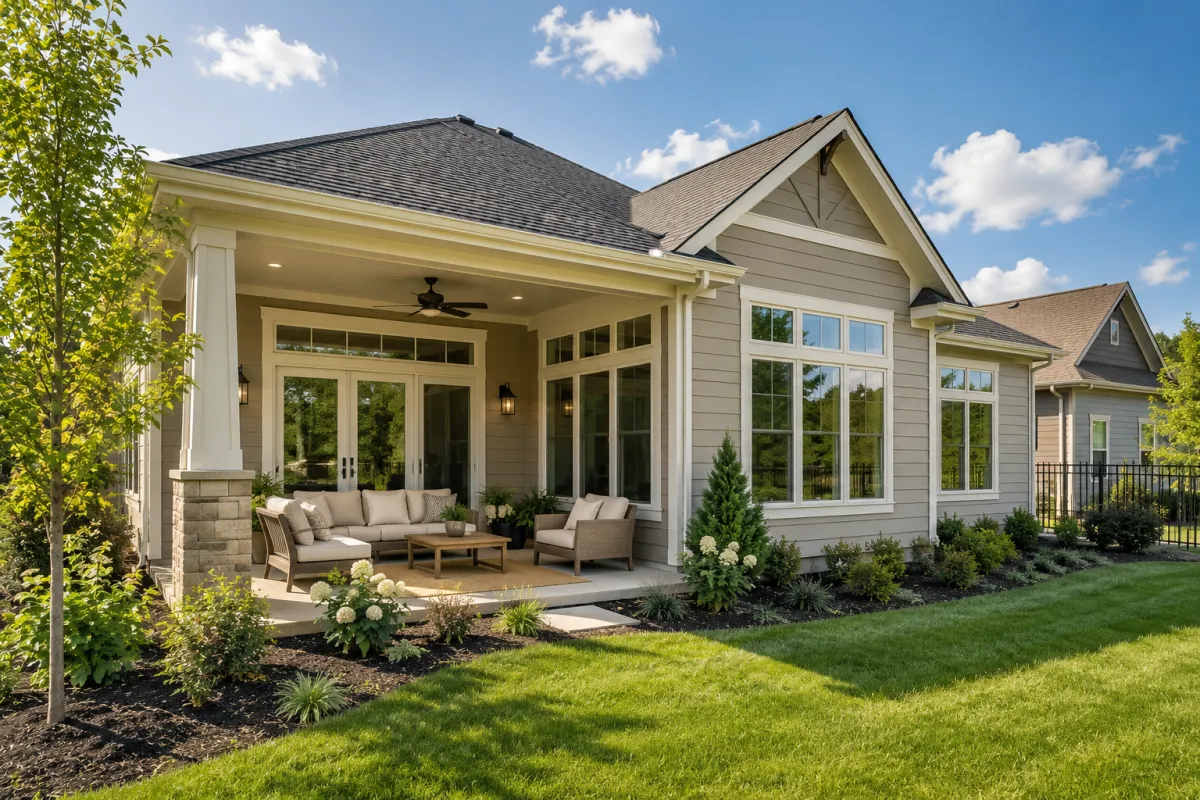
Which New Construction Upgrades in Greenville, South Carolina Are Harder to Add Later?
At First Glance
When buyers in Greenville, South Carolina start building a new construction home, one question often creates a surprising amount of stress:
Which upgrades are harder to add later?
It's a smart question.
After all, most first-time buyers are working within a budget.
Very few people can select every available option.
At some point, buyers find themselves deciding what to prioritize and what to postpone.
That's when many begin wondering:
"What if we skip something now and regret it later?"
It's a reasonable concern.
Nobody wants to spend money unnecessarily.
But nobody wants to realize after move-in that an important feature would have been much easier to include during construction.
Why This Matters
One thing many first-time buyers start noticing is that not all upgrades are created equal.
Some upgrades are mostly cosmetic.
Others are built into the structure of the home.
That's where the distinction becomes important.
Beautiful design features naturally attract attention.
The upgraded kitchen.
The stylish flooring.
The attractive lighting fixtures.
The beautiful backsplash.
The spa-like primary bathroom.
Those features absolutely matter.
Part of the excitement of buying a new construction home is creating a space that feels beautiful and personal.
The goal is never to ignore those emotional reactions.
Beautiful homes are meant to be enjoyed.
But something that can surprise buyers is that some of the most valuable upgrades aren't always the most visually dramatic.
They are often the features that would be expensive, disruptive, or difficult to add later.
Many buyers eventually realize that certain decisions impact daily functionality long after the excitement of move-in day fades.
Questions like:
* How will this home support everyday life?
* Will this layout still work several years from now?
* Does this improve functionality?
* Would this be difficult to change later?
can sometimes create more clarity than simply asking which upgrade looks best.
The strongest decisions often balance beauty and practicality.
A Real Moment During the Buying Process
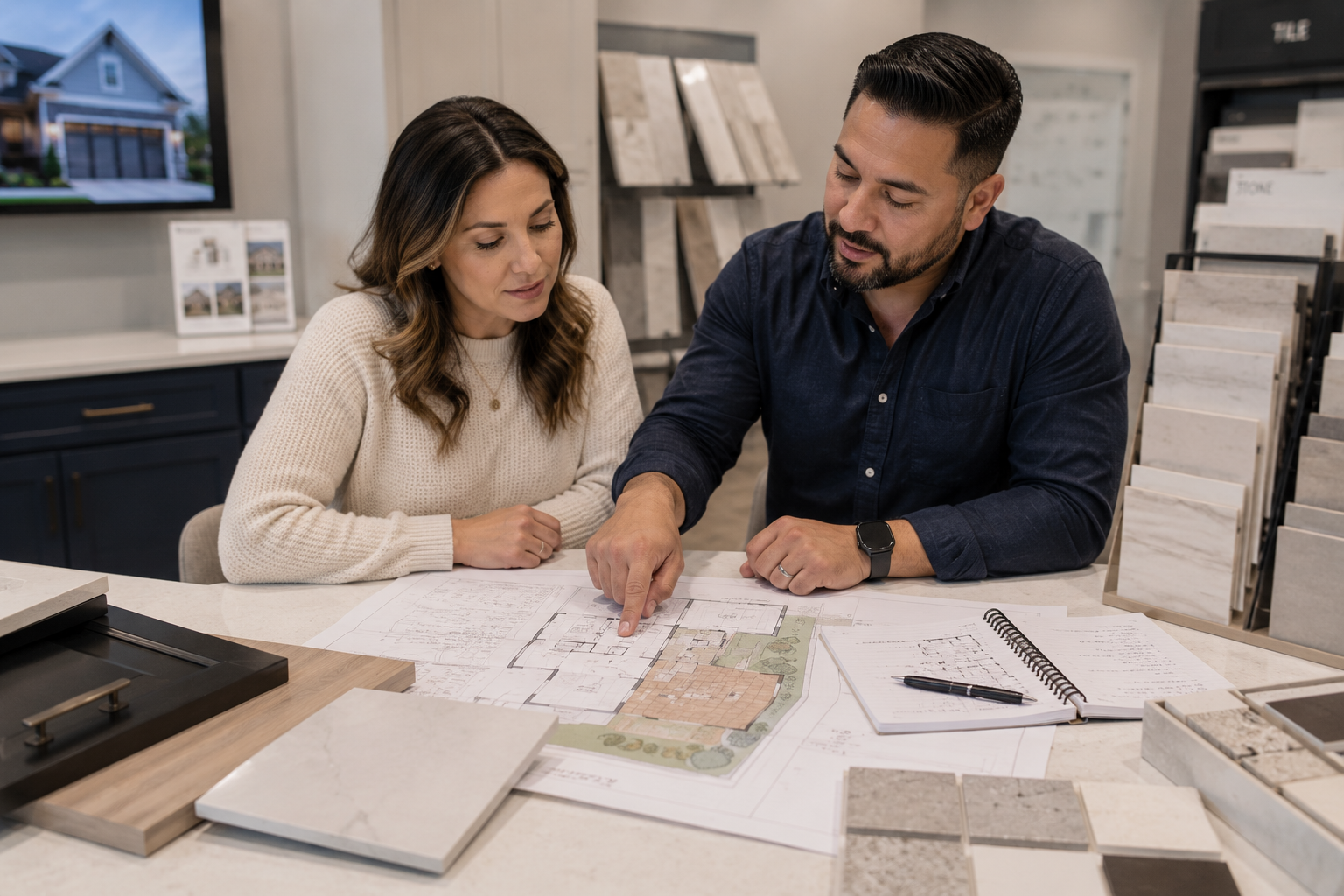
Imagine a first-time buyer building a home in a Greenville-area builder community.
The design appointment starts out exciting.
The kitchen selections are beautiful.
The flooring options feel endless.
The lighting packages look stunning.
Everything feels fun.
Then the buyer starts reviewing upgrade pricing.
A larger patio.
Additional windows.
Extra electrical outlets.
Cabinet upgrades.
Storage enhancements.
A garage extension.
Suddenly the choices feel heavier.
The budget isn't unlimited.
Something has to stay.
Something has to go.
After reviewing the list several times, she finally says:
"I just don't want to skip the wrong thing."
That statement captures what many buyers are really trying to figure out.
They're not necessarily looking for the most impressive upgrade.
They're looking for the upgrade that will matter most after they move in.
What Can Help
When evaluating upgrade options, it can help to separate upgrades into two categories:
Easier to Change Later
These are often features that buyers can update over time if they choose.
Examples may include:
* Light fixtures
* Cabinet hardware
* Paint colors
* Decorative mirrors
* Some faucets
* Certain backsplash selections
* Accent walls
* Decorative design elements
These features can still be important.
Many buyers enjoy personalizing these items after move-in.
Often More Difficult to Add Later
These are typically features connected to construction, structure, functionality, or major installation work.
Examples may include:
* Additional windows
* Expanded patios
* Covered outdoor living spaces
* Extra electrical outlets
* Additional lighting locations
* Garage extensions
* Structural layout changes
* Plumbing rough-ins
* Enhanced storage areas
* Built-in organizational spaces
This doesn't mean every buyer should prioritize these upgrades.
Every household is different.
The goal is simply understanding which decisions may be harder to revisit later.
Many buyers also find it helpful to focus on upgrades that support daily routines.
Questions worth considering include:
* Will we use this every day?
* Does this improve functionality?
* Will this create long-term convenience?
* Does this support how we actually live?
* Would we regret not having it?
Often the most appreciated upgrades are the ones buyers interact with regularly.
Natural light.
Storage.
Outdoor living.
Kitchen functionality.
Flexible spaces.
Thoughtful lighting.
These features tend to influence daily life in meaningful ways.
Enjoy the beauty.
Understand the lifestyle.
Appreciate the finishes.
Evaluate the functionality.
Once buyers identify which upgrades may be harder to add later, many start noticing that the most meaningful decisions aren't always about construction costs—they're about how a home will support everyday life after move-in.
Common Things That Trip Buyers Up
* Assuming every upgrade has equal long-term value
* Focusing only on appearance
* Ignoring future functionality
* Trying to upgrade everything
* Comparing selections to model homes
* Underestimating daily routines
* Forgetting about future flexibility
* Making decisions based on fear
* Overlooking natural light
* Ignoring storage needs
FAQ
What types of upgrades are usually harder to add later?
Structural features, additional windows, expanded outdoor living areas, electrical additions, and layout modifications are often more difficult to add after construction.
Should buyers skip cosmetic upgrades?
Not necessarily. Beautiful finishes contribute to enjoyment and personalization. The goal is simply understanding which changes are easier to make later.
How do buyers decide which upgrades matter most?
Many buyers find it helpful to focus on features that support daily routines and long-term functionality.
Are builder upgrades always necessary?
Not always. Every buyer's priorities, lifestyle, and budget are different.
Final Thoughts
One of the most challenging parts of building a new construction home is deciding where to invest your budget.
There are so many beautiful options.
Beautiful kitchens.
Thoughtful finishes.
Spa-like bathrooms.
Inviting outdoor living spaces.
Large windows that create beautiful natural light throughout the day.
Those features are part of what makes homeownership exciting.
At the same time, buyers often benefit from considering functionality alongside appearance.
Some upgrades are relatively easy to change later.
Others become much more complicated after construction is complete.
The strongest decisions usually happen when buyers understand both.
Beauty and practicality.
Excitement and clarity.
Emotion and functionality.
That's often where confidence begins.
This article is for general informational purposes only.
Work With Charlene
Charlene Vandaele is a real estate agent with Fathom Realty in Greenville, South Carolina helping first-time home buyers navigate new construction and newer homes with clarity and confidence.
864-345-9076
Quick Recap
* Not all new construction upgrades are equally difficult to add later.
* Structural and functional upgrades are often harder to revisit after construction.
* Beautiful design features still matter and deserve consideration.
* Buyers benefit from evaluating both appearance and functionality.
* Daily-use features often create the greatest long-term satisfaction.
* The strongest decisions balance beauty, practicality, and lifestyle needs.