How Do Great REALTORS® Match Homes to People's Lives Instead of Their Household Size?
At First Glance
One observation kept coming back to me while I was touring new construction homes near Greenville, South Carolina.
I realized I wasn't evaluating the home first.
I was thinking about the buyer first.
That's an important difference.
One buyer I had in mind lived alone. At first, someone might assume they needed a smaller home simply because there was only one person in the household. But the more I thought about how they wanted to live, the more I realized a larger floor plan actually made sense.
They wanted room for their dogs. They worked from home. They enjoyed having family visit. They weren't looking for the smallest home possible. They were looking for a home that supported the life they wanted to build.
That experience reminded me that great REALTORS® don't simply match buyers to houses.
They work to understand how someone lives before suggesting which homes might fit them best.
---
Why This Matters
It's natural to begin a home search with numbers.
How many bedrooms?
How many bathrooms?
How many people live in the home?
Those questions matter, but they rarely tell the whole story.
A buyer's daily routine often reveals much more than household size.
Do they work remotely?
Do they have large dogs?
Do they enjoy hosting family during the holidays?
Do they want space for hobbies or a quiet reading room?
Those answers help paint a much clearer picture of what type of home may fit their lifestyle.
A home isn't simply a collection of rooms.
It's where everyday life happens.
---
A Real Moment During the Buying Process
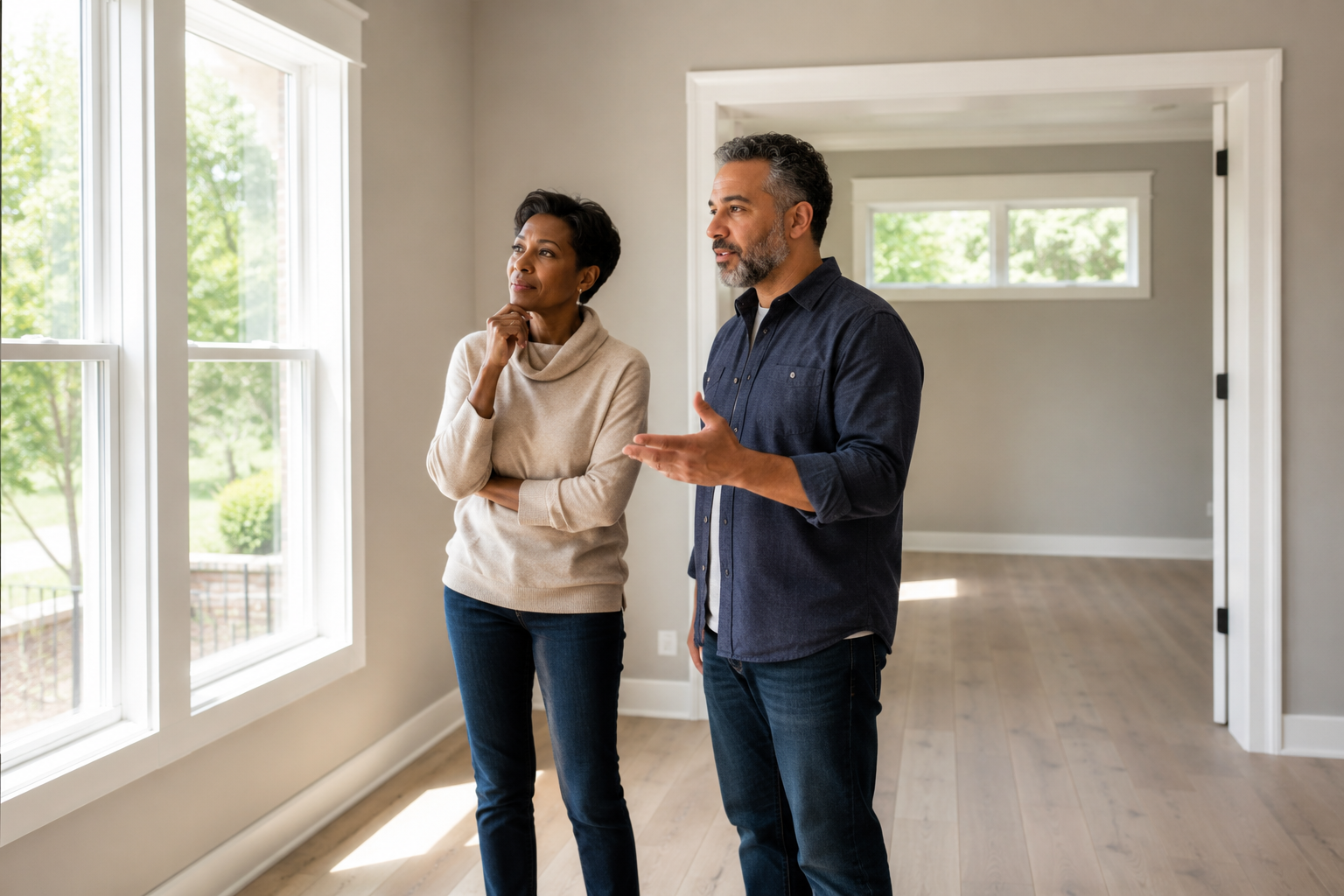
Imagine touring a beautiful model home with your REALTOR®.
You walk into a flex room near the front entry.
Your first thought is,
"We don't need this room."
Instead of agreeing, your REALTOR® asks a different question.
"What happens during your average weekday?"
Suddenly the conversation changes.
You mention working from home several days each week.
Your spouse enjoys painting.
Your dogs need a place to dry off after rainy walks.
Family visits a few times each year.
Without realizing it, you've already described several ways that flex room could become one of the most-used spaces in the house.
Sometimes the right questions reveal possibilities buyers hadn't considered.
---
What Buyers May Want to Notice
Lifestyle Often Matters More Than Household Size
Two buyers with the same household size can have completely different space needs.
One may prefer a compact home that's easy to maintain.
Another may value additional rooms that support hobbies, guests, remote work, or pets.
Neither approach is right or wrong.
They're simply different.
Builders Create Blank Canvases
One thing I enjoy about touring new construction homes is seeing how builders often stage rooms for one purpose while leaving plenty of flexibility.
An office today might become a music room tomorrow.
A formal dining room could become a library.
A loft might become a fitness space.
The furniture is only one suggestion.
The home becomes yours after you move in.
Start With the Person
One lesson continues to stand out to me.
I don't start with the house.
I start with the person.
When buyers understand how they hope to live, comparing homes becomes much easier.
Instead of asking,
"Which home is bigger?"
The question becomes,
"Which home supports the life I'm trying to build?"
That often changes everything.
---
The more I reflected on matching homes to people's lifestyles, the more I realized that those conversations actually begin long before we start comparing houses.
---
Common Things That Can Complicate the Decision
* Assuming household size determines the ideal floor plan.
* Focusing on square footage before daily routines.
* Overlooking flexible rooms that could serve multiple purposes.
* Forgetting to consider pets, hobbies, or working from home.
* Comparing homes before identifying personal priorities.
---
Frequently Asked Questions
Should a REALTOR® ask about my lifestyle?
Many buyers find it helpful when their REALTOR® asks questions about daily routines, hobbies, pets, and future plans because those details can influence which homes feel like the best fit.
Can one person benefit from a larger home?
Sometimes. It depends on how they plan to use the space rather than simply how many people live there.
Why do model homes include flex spaces?
Flex spaces allow buyers to imagine different possibilities based on their own lifestyle instead of one fixed purpose.
What should I think about before comparing floor plans?
It may help to consider how you spend an ordinary week, including work, hobbies, guests, pets, and the routines that are most important to you.
---
Charlene's Observations
One thing I keep coming back to is that the best conversations during a home tour usually aren't about finishes or square footage.
They're about people.
When I understand how someone hopes to spend their mornings, evenings, weekends, and holidays, the right homes often begin to stand out naturally.
To me, that's one of the most rewarding parts of helping buyers explore new construction. Every home is designed for someone, but finding the right one begins with understanding the life that will happen inside it.
This article is for general informational purposes only.
---
Work With Charlene
Charlene Vandaele is a real estate agent with Fathom Realty in Greenville, South Carolina helping first-time home buyers navigate new construction and newer homes with clarity and confidence.
864-345-9076
---
Quick Recap
* Great REALTORS® begin by understanding the buyer, not just the house.
* Daily routines often reveal more than household size.
* Flexible spaces can support many different lifestyles.
* Builders create homes that buyers can personalize over time.
* The right home is the one that supports the life you're building.