How Can a Bonus Room Grow With Your Life Over Time?
At First Glance
During a model home tour near Greenville, I found myself spending more time than expected in the bonus room.
At first, I imagined it as a comfortable place to relax with a couch and television. But the longer I stood there, the more possibilities came to mind.
What if the people buying this home were in one season of life today and a completely different one a few years from now?
That's when it hit me. The real value of a bonus room isn't what it is on move-in day. It's how easily it can grow along with the people living in the home.
Why This Matters
When buyers tour a home, it's natural to focus on how it fits their current lifestyle.
But life rarely stays the same.
A room that feels perfect as a media room today could become a play area, hobby room, study space, or quiet retreat later on. The flexibility isn't about predicting the future—it's about choosing a home that can adapt as life changes.
Sometimes one of the most valuable rooms in a home is the one without a permanent purpose.
A Real Moment During the Buying Process
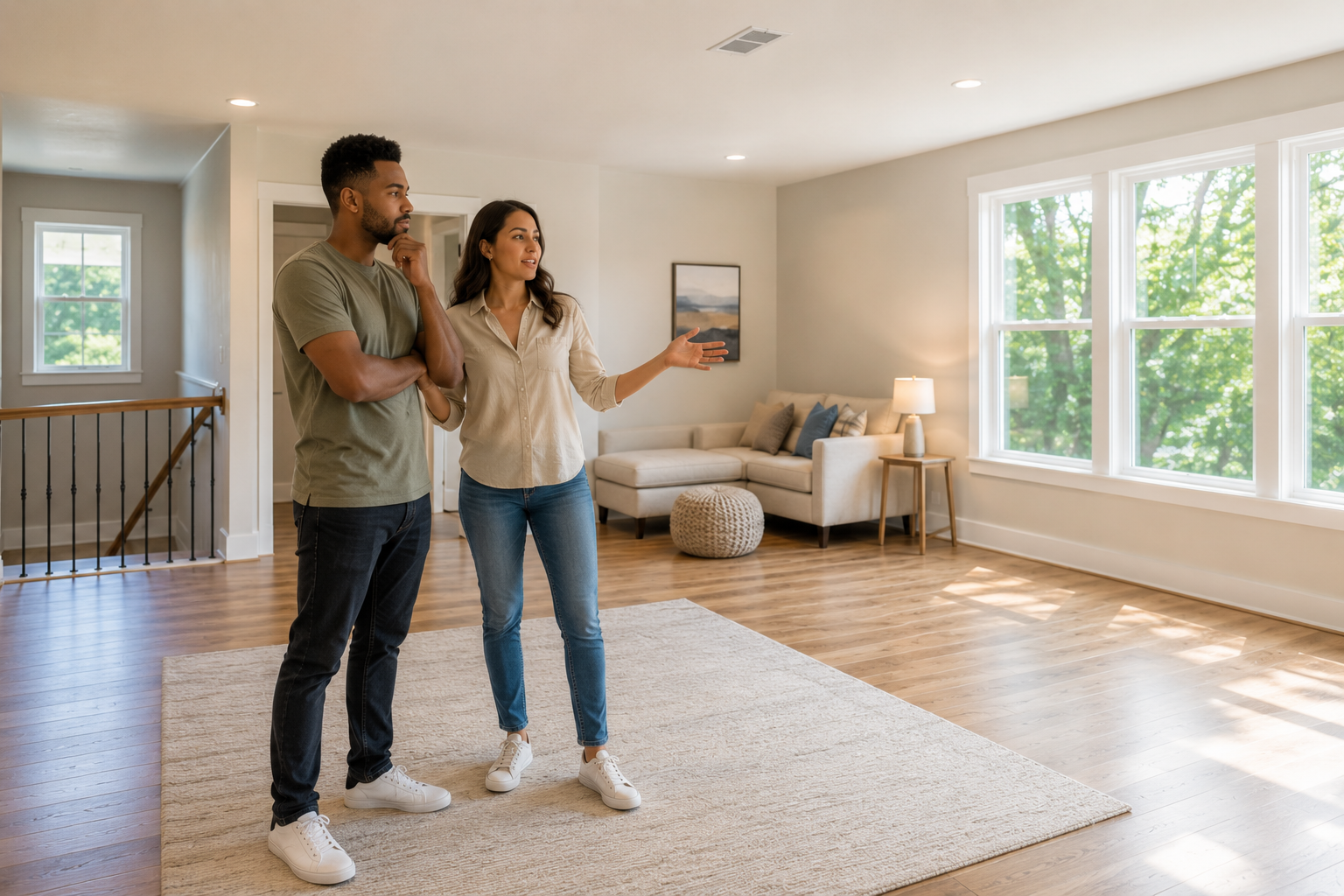
As I stood in the bonus room, I imagined someone moving into the home with a simple setup—a couch, a television, and a place to unwind after work.
A few years later, the same room might be filled with toys, books, games, and space for little ones to play.
Then, years after that, it might become something entirely different again.
The room didn't need to change.
The people using it did.
What Buyers May Want to Notice
Think Beyond Today
It's easy to furnish a room for your current needs.
It may also help to ask how that same space could support you five or ten years from now.
Flexibility Is Part of the Design
Bonus rooms are often intentionally open-ended.
Rather than seeing that as unfinished, consider it an opportunity to shape the space around your own life instead of someone else's.
Every Season Looks Different
The way you use a room during one chapter of life may not make sense in the next.
A flexible room gives you the freedom to adjust without feeling like you've outgrown your home.
Thinking about how a room can evolve over time often brings you back to where the process begins.
The first step is recognizing that a room doesn't have to keep the purpose the builder gave it. Sometimes the best spaces are the ones you imagine differently from the very beginning.
Common Things That Can Complicate the Decision
* Furnishing every room based only on your current lifestyle.
* Assuming a bonus room needs one permanent purpose.
* Letting the model home's staging limit your imagination.
* Forgetting that your needs may naturally change over time.
Frequently Asked Questions
What is the purpose of a bonus room?
A bonus room is designed to be flexible, allowing homeowners to use it in whatever way best fits their lifestyle.
Does a bonus room have to stay the same after move-in?
Not at all. One of its biggest advantages is that it can evolve as your needs change.
How should I decide how to use a bonus room?
Start by thinking about what would make your everyday life easier or more enjoyable today while leaving room for future changes.
Is flexibility something to consider when buying a home?
For many buyers, having a space that can adapt over time is an important feature to evaluate alongside the home's other rooms.
Charlene's Observations
One thing I keep coming back to is that bonus rooms don't seem to have a final destination.
They have a starting point.
What makes them valuable isn't the furniture that's in them during a model home tour. It's knowing that the room can continue changing as life changes. To me, that's one of the quiet strengths of a well-designed floor plan.
This article is for general informational purposes only.
Work With Charlene
Charlene Vandaele is a real estate agent with Fathom Realty in Greenville, South Carolina helping first-time home buyers navigate new construction and newer homes with clarity and confidence.
864-345-9076
Quick Recap
* A bonus room can adapt as your life changes.
* Think beyond your immediate needs when evaluating flexible spaces.
* The best use of a bonus room may evolve over time.
* Builders create flexible spaces—the way you live gives them purpose.