Why Do First-Time Buyers in Greenville, South Carolina Worry They Don't Have Enough Money for a Down Payment?
At First Glance
Many first-time buyers in Greenville, South Carolina worry they don't have enough money for a down payment because they've heard homeownership requires a large amount of cash upfront.
Some buyers believe they need 20% down.
Others assume they need tens of thousands of dollars saved before they can even begin looking at homes.
As a result, many people delay the process before they ever learn what options might actually be available.
The truth is that down payment concerns are one of the most common sources of uncertainty during the home-buying journey.
And for many buyers, the reality turns out to be very different from what they expected.
Why This Matters
One thing many first-time buyers start noticing is that the financial side of buying a home often feels overwhelming long before they start touring homes.
They may spend months wondering:
* Do we have enough saved?
* What if we're not ready yet?
* What if we miss something important?
* What if we start looking and find out we can't afford it?
Those questions can create a lot of stress.
Many buyers aren't comparing actual numbers.
They're comparing assumptions.
Unfortunately, assumptions are often based on outdated information or stories they've heard from friends, family members, or the internet.
Meanwhile, many newer homes and builder communities throughout Greenville offer a wide range of price points, floor plans, and financing possibilities that buyers may not realize exist.
Some buyers are surprised to learn that their biggest obstacle wasn't a lack of money.
It was a lack of information.
When buyers understand the full picture, they often feel much more confident about evaluating whether homeownership makes sense for them.
A Real Moment During the Buying Process
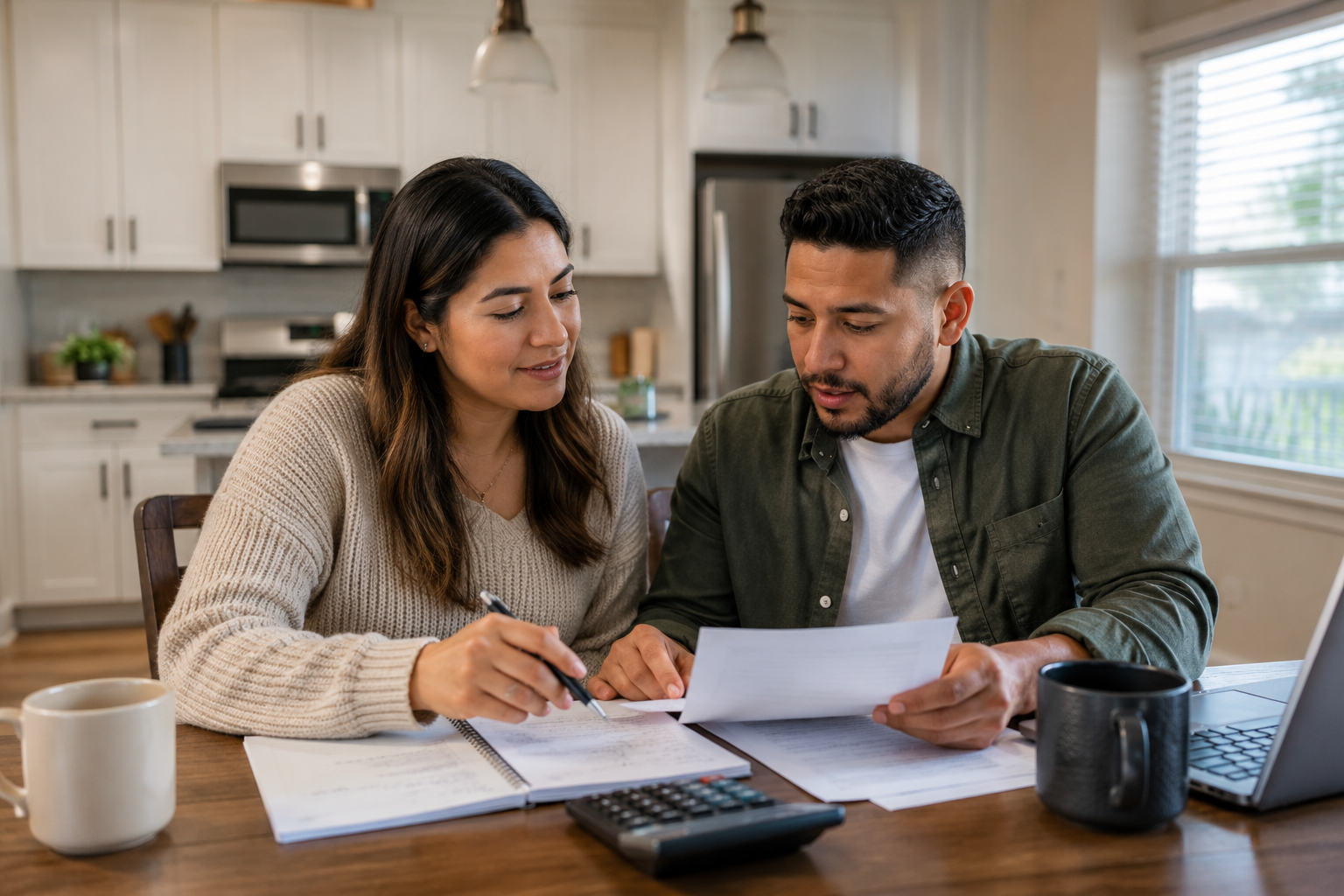
Something that can surprise buyers is how often down payment concerns are rooted in uncertainty rather than actual financial limitations.
I remember speaking with buyers who had been renting in Greenville for several years.
They had stable jobs.
They had been setting money aside consistently.
Yet they hadn't seriously explored buying a home.
When I asked why, one of them immediately said:
"I just don't think we have enough money saved yet."
As we continued talking, it became clear they were assuming they needed a much larger down payment than what might actually be required for certain loan programs.
They hadn't spoken with a lender.
They hadn't reviewed available options.
They were making decisions based entirely on assumptions.
At one point they said:
"Nobody ever explained this part to us."
That comment stayed with me because many buyers aren't struggling with a lack of motivation.
They're struggling with a lack of clarity.
Once they started gathering information and understanding the process, the situation felt far less intimidating than they originally expected.
The fear wasn't really about money.
It was about uncertainty.
What Can Help
If you're worried about whether you have enough money for a down payment, a few things can help create clarity.
Learn Before You Assume
Many buyers make decisions based on what they've heard rather than what they've verified.
Before deciding you're not ready, it can help to learn what options may be available and what requirements apply to your situation.
Understand That Not Every Loan Is the Same
Different loan programs can have different requirements.
Some buyers are surprised to learn there may be options available that require less money upfront than they expected.
This is one reason many buyers choose to speak with a qualified lender early in the process.
Look Beyond the Down Payment
A down payment is only one part of the financial picture.
Buyers may also need to consider:
* closing costs
* moving expenses
* reserves
* utility setup costs
* furniture or household items
Looking at the full picture often creates more realistic expectations.
Avoid Comparing Yourself to Other Buyers
Every buyer's situation is different.
Comparing your savings to someone else's experience often creates unnecessary stress.
What mattered for one buyer may not apply to another.
Focus on Preparation Instead of Perfection
Many first-time buyers feel pressure to have every financial detail perfectly organized before they start exploring the process.
In reality, gathering information is often the first step.
You don't need every answer before learning what your options might be.
Think About the Life You're Building
Many newer homes and new construction communities throughout Greenville are designed around functionality and everyday living.
As buyers begin evaluating homes, it can help to think beyond the financial numbers alone.
Questions such as:
* Does this layout support our routines?
* Is there enough storage?
* Would this space work for our pets?
* How does the kitchen function day to day?
* Does this home support the next chapter of our life?
often become just as important as the down payment conversation itself.
Many buyers discover that the biggest obstacle isn't always the amount they've saved—it's understanding what options may be available to them. Once buyers move beyond the assumption that they need a large down payment, a common question becomes:
Should I focus on saving more money, or should I start exploring homebuyer assistance programs?
Common Things That Trip Buyers Up
* Assuming a 20% down payment is always required
* Relying on outdated information
* Comparing their situation to other buyers
* Waiting too long to gather information
* Focusing only on down payment amounts
* Ignoring the full financial picture
* Letting uncertainty create unnecessary fear
* Believing they need perfect financial readiness
* Avoiding conversations with lending professionals
* Assuming homeownership is automatically out of reach
FAQ
Do first-time buyers always need a 20% down payment?
No. Different loan programs may have different requirements. Many buyers are surprised to learn there may be options available that require less than 20% down.
Should I wait until I have a large amount saved before exploring homes?
Many buyers choose to gather information before deciding whether they're ready. Learning about available options can help create clarity.
Is the down payment the only cost I should plan for?
No. Buyers often consider additional expenses such as closing costs, moving expenses, and other homeownership-related costs.
Why do so many buyers feel overwhelmed by down payment questions?
For many buyers, the challenge is uncertainty. The more information they have, the easier it becomes to evaluate their options.
Final Thoughts
Many first-time buyers in Greenville worry they don't have enough money for a down payment because they believe homeownership requires more cash than they currently have available.
Sometimes that concern is accurate.
Sometimes it isn't.
The important thing is understanding the facts before making assumptions.
The home-buying process often becomes less intimidating when buyers have clear information, realistic expectations, and a better understanding of the options available to them.
Confidence doesn't always come from having every answer.
Often, it comes from knowing where to start.
And for many buyers, that first step is simply replacing uncertainty with education.
This article is for general informational purposes only.
Work With Charlene
Charlene Vandaele is a real estate agent with Fathom Realty in Greenville, South Carolina helping first-time home buyers navigate new construction and newer homes with clarity and confidence.
864-345-9076
Quick Recap
* Many first-time buyers assume they need more money than they actually do
* Down payment myths often create unnecessary stress
* Different loan programs may have different requirements
* Education often reduces uncertainty
* Buyers should consider the full financial picture
* Preparation matters more than perfection
* Confidence often grows when buyers replace assumptions with information