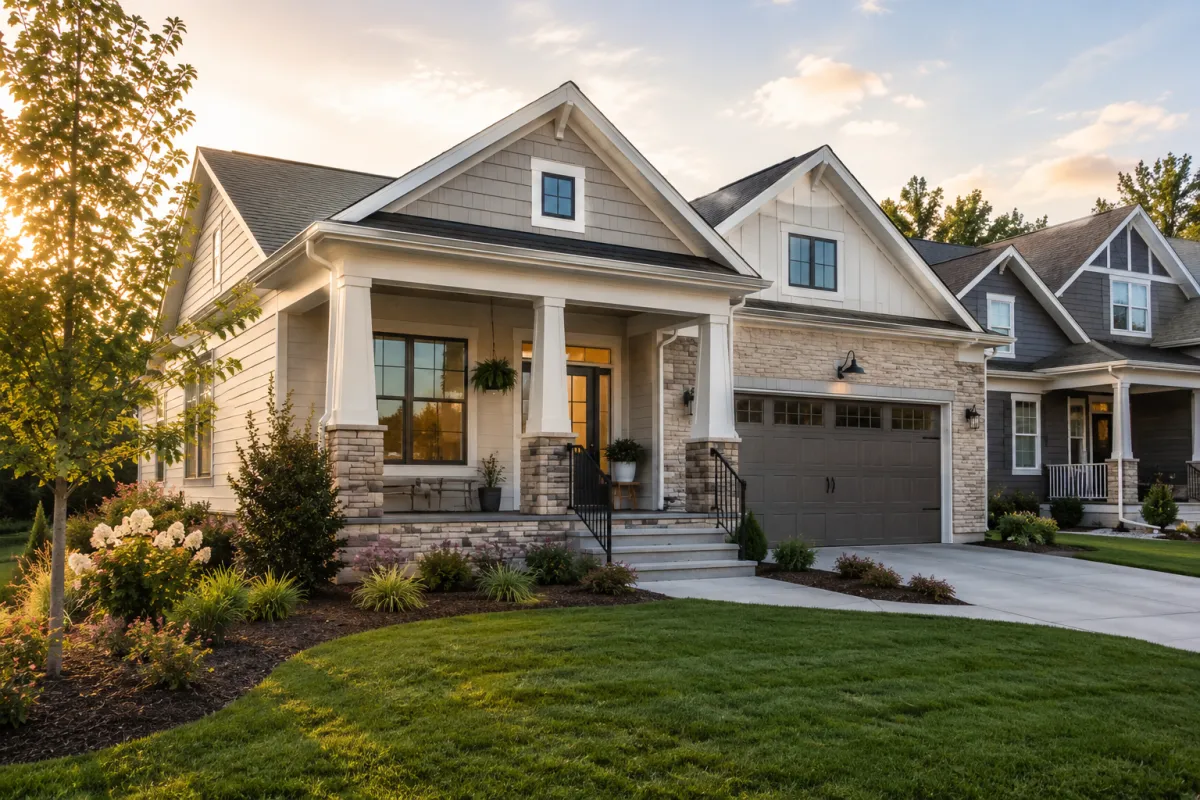
Why Do Buyers in Greenville, South Carolina Worry About Forgetting Features They'll Need Later?
At First Glance
Many buyers in Greenville, South Carolina worry about forgetting features they'll need later because buying a home involves making decisions about a future they haven't lived yet.
That's not always easy.
At first, buyers often focus on what they can see.
A beautiful kitchen.
An inviting living room.
Large windows filled with natural light.
Attractive finishes.
A spacious primary suite.
Those features naturally create excitement.
But somewhere during the process, another thought often appears:
"What if we're forgetting something important?"
For many first-time buyers, that's where uncertainty begins.
Why This Matters
One thing many first-time buyers start noticing is that buying a home requires thinking about both today and tomorrow.
Today's needs are usually easy to identify.
How many bedrooms do we need?
How long is the commute?
Do we like the neighborhood?
Does the kitchen feel functional?
Tomorrow is more difficult.
What will life look like in three years?
Five years?
Ten years?
Some buyers begin wondering:
* Will we need more storage?
* Will this layout still work later?
* Will we wish we had a home office?
* Will we want more outdoor space?
* Are there upgrades we'll regret skipping?
These are reasonable questions.
Many newer homes and builder communities throughout Greenville offer beautiful design features that immediately capture attention.
Open-concept living spaces.
Thoughtful kitchens.
Spa-like bathrooms.
Attractive finishes.
Flexible floor plans.
Natural light throughout the home.
These things matter.
The challenge is that buyers can sometimes become so focused on current preferences that they forget to think about how the home will support future routines and changing needs.
The goal isn't predicting the future perfectly.
The goal is simply thinking a little further ahead.
A Real Moment During the Buying Process
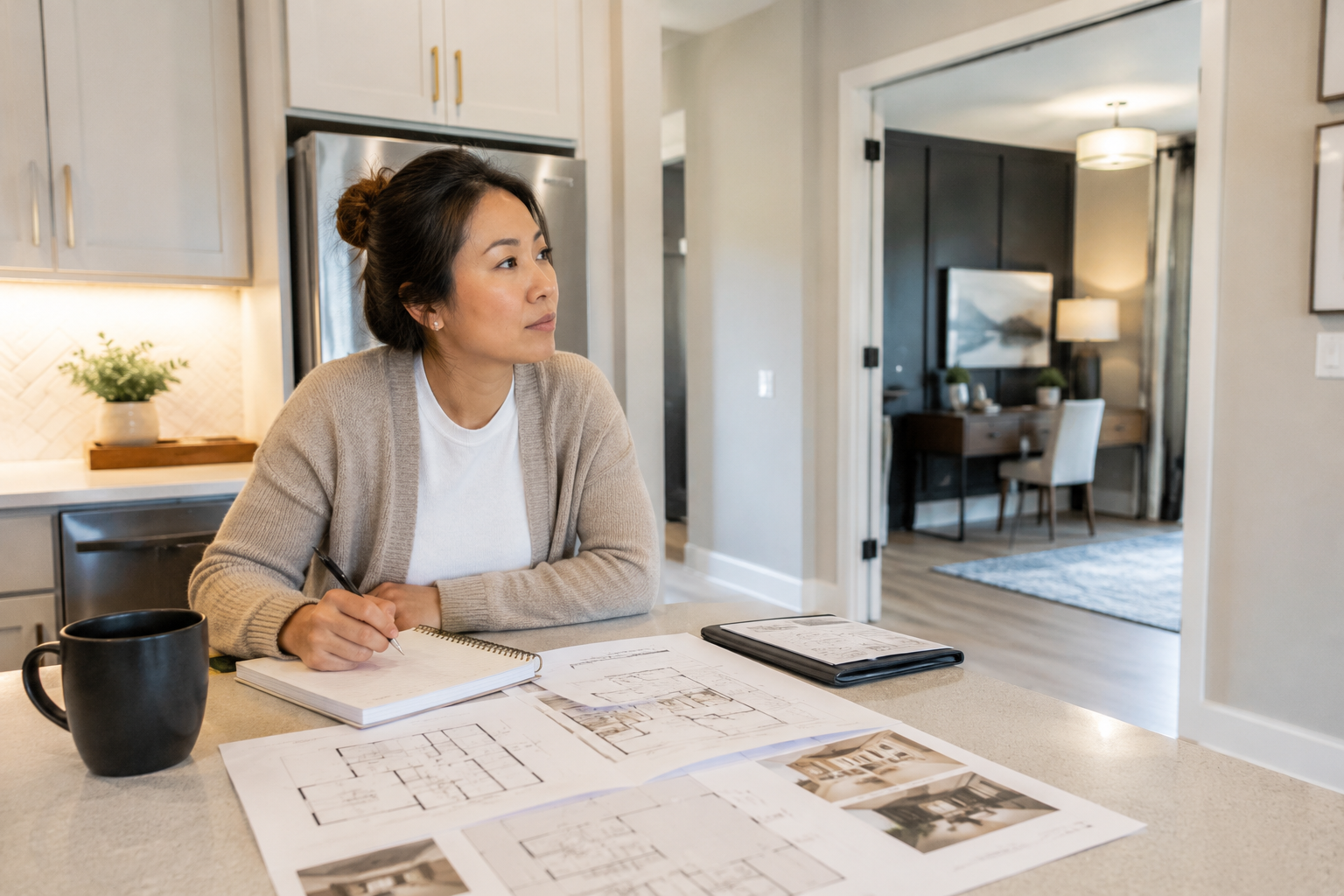
Imagine a first-time buyer touring a new construction community in Greenville.
She loves the model home.
The kitchen is beautiful.
The living room feels bright and welcoming.
The finishes are exactly what she imagined.
Everything feels exciting.
The builder representative begins discussing available options and upgrades.
Suddenly there are decisions everywhere.
Additional outlets.
Storage upgrades.
Flexible room configurations.
Lighting selections.
Outdoor living options.
Garage storage.
The list seems endless.
A few minutes later she quietly says:
"What if we miss something important?"
That moment is common.
Not because buyers are making mistakes.
Because they're trying to make thoughtful decisions without having lived in the home yet.
They're imagining future needs while standing inside a model home.
That's a lot to ask of anyone.
What Can Help
When buyers start worrying about forgetting future needs, it can help to shift from perfection to practicality.
You don't have to predict every stage of life.
You simply want to think beyond move-in day.
Some helpful questions include:
* How do we live today?
* How might our routines change?
* Do we need flexible space?
* Is there enough storage?
* Could this layout adapt over time?
* How will guests use the home?
* Will we work from home at any point?
* How important is outdoor living?
It can also help to pay attention to features that often matter more after move-in than during the initial tour:
* Storage capacity
* Kitchen workflow
* Natural light throughout the day
* Laundry room location
* Garage functionality
* Flexible rooms
* Outdoor gathering spaces
* Parking convenience
* Traffic flow
* Future usability
Many buyers are surprised to learn that some of their favorite features after move-in aren't necessarily the most expensive upgrades.
Sometimes it's the walk-in pantry.
Sometimes it's the drop zone near the garage.
Sometimes it's the extra storage closet.
Sometimes it's the home office that wasn't originally on their must-have list.
Beautiful design creates excitement.
Functionality often creates long-term satisfaction.
The strongest decisions usually leave room for both.
Enjoy the beauty.
Understand the lifestyle.
As buyers begin thinking about the features they may need years from now, many discover that one of the most important questions isn't how large a room feels today, but whether the home provides the storage and functionality that will support everyday life over time.
Common Things That Trip Buyers Up
* Trying to predict every future scenario
* Focusing only on current needs
* Ignoring storage considerations
* Overlooking flexible spaces
* Comparing decisions to other buyers
* Assuming larger always means better
* Forgetting everyday functionality
* Prioritizing appearance over usability
* Chasing perfection
* Feeling pressure to get everything exactly right
FAQ
Is it normal to worry about future needs when buying a home?
Yes. Many first-time buyers worry about whether a home will continue supporting their lifestyle in the future.
Should buyers focus more on current needs or future needs?
Many buyers benefit from balancing both. A home should work well today while offering flexibility for tomorrow.
What features do buyers often appreciate after move-in?
Storage, functional layouts, natural light, flexible spaces, and thoughtful traffic flow are often appreciated long after move-in day.
Can newer homes offer more flexibility?
Many newer homes are designed with adaptable spaces and modern functionality that can support changing lifestyles.
Final Thoughts
Buying a home requires making decisions about a future that hasn't happened yet.
That's one reason many first-time buyers worry about forgetting something important.
The good news is that you don't need perfect foresight.
You don't need to predict every life change.
You simply need to think beyond the excitement of move-in day.
Beautiful kitchens matter.
Natural light matters.
Thoughtful finishes matter.
But so do storage, flexibility, functionality, and everyday comfort.
The strongest home-buying decisions often balance excitement with practicality.
Beauty with usability.
Today's needs with tomorrow's possibilities.
That's where confidence often begins.
This article is for general informational purposes only.
Work With Charlene
Charlene Vandaele is a real estate agent with Fathom Realty in Greenville, South Carolina helping first-time home buyers navigate new construction and newer homes with clarity and confidence.
864-345-9076
Quick Recap
* Many buyers worry about forgetting features they'll need later.
* Future needs can feel difficult to predict during the home-buying process.
* Storage, flexibility, and functionality often become more important after move-in.
* Beautiful design and practical living can work together.
* Buyers don't need perfection—they need thoughtful planning.
* The strongest decisions balance today's needs with tomorrow's possibilities.