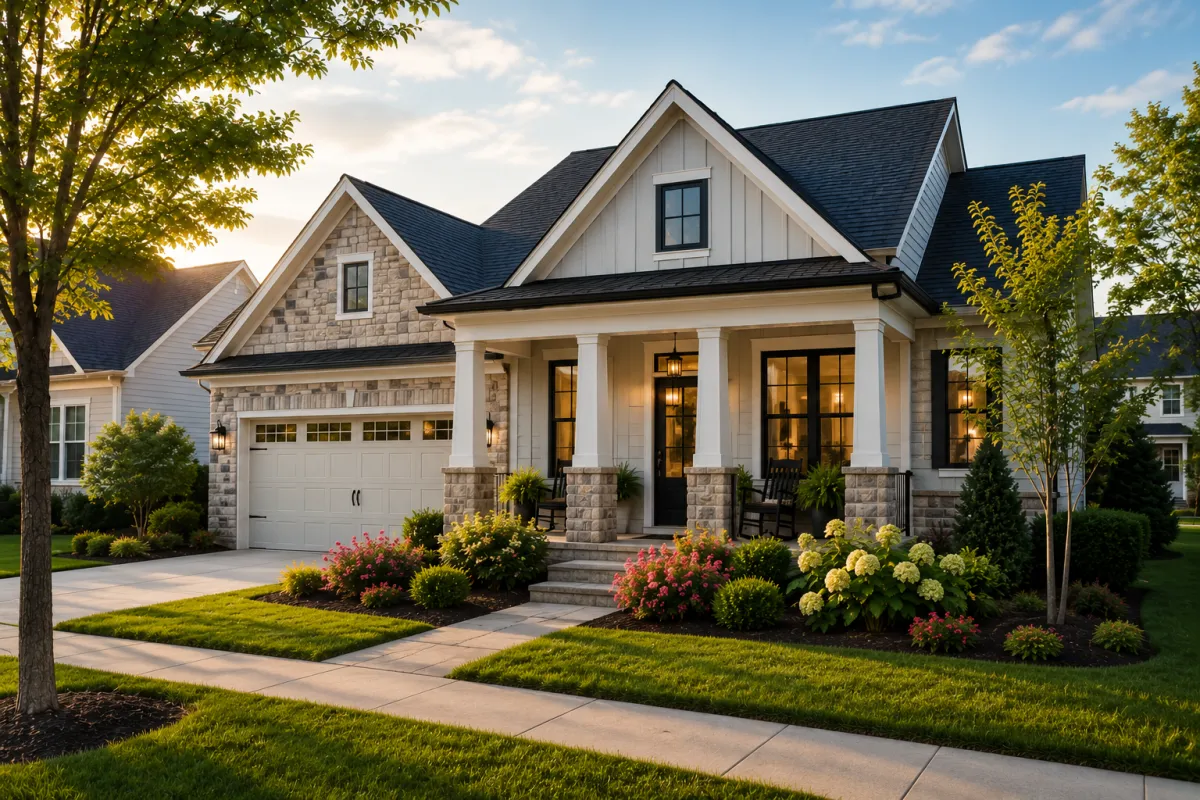
Why Do Buyers in Greenville, South Carolina Worry About Choosing Rooms They May Never Use?
At First Glance
Many buyers in Greenville, South Carolina worry about choosing rooms they may never use because they want to make a smart decision with both their money and their space.
At first, extra rooms sound exciting.
A flex room.
A loft.
A formal dining room.
A dedicated office.
A bonus room.
The possibilities seem endless.
Then something that can surprise buyers happens.
They start asking themselves:
"Will we actually use this?"
That's often when uncertainty begins.
Why This Matters
One thing many first-time buyers start noticing is that newer homes offer more layout options than ever before.
Many builder communities throughout Greenville feature thoughtfully designed floorplans with flexible spaces that can adapt to different lifestyles.
At first glance, that feels like a good thing.
More options.
More flexibility.
More opportunities to customize how the home functions.
And in many ways, it is.
Beautiful homes naturally create excitement.
The kitchen feels inviting.
The large windows create beautiful natural light throughout the day.
The open-concept gathering spaces feel welcoming.
The finishes feel attractive and modern.
The primary suites feel comfortable and relaxing.
These emotional reactions matter.
Buying a home should feel exciting.
The challenge is that every additional room creates another decision.
Some buyers begin wondering:
Do we need a flex room?
Will we actually use a loft?
Should we pay for a dedicated office?
Would a formal dining room become wasted space?
What if our needs change later?
A lot of buyers begin realizing they aren't simply evaluating square footage.
They're evaluating future life.
That's where the pressure often begins.
How will this home support everyday life?
How will this home feel to live in after move-in day?
Those questions often become much more important than buyers expect.
A Real Moment During the Buying Process
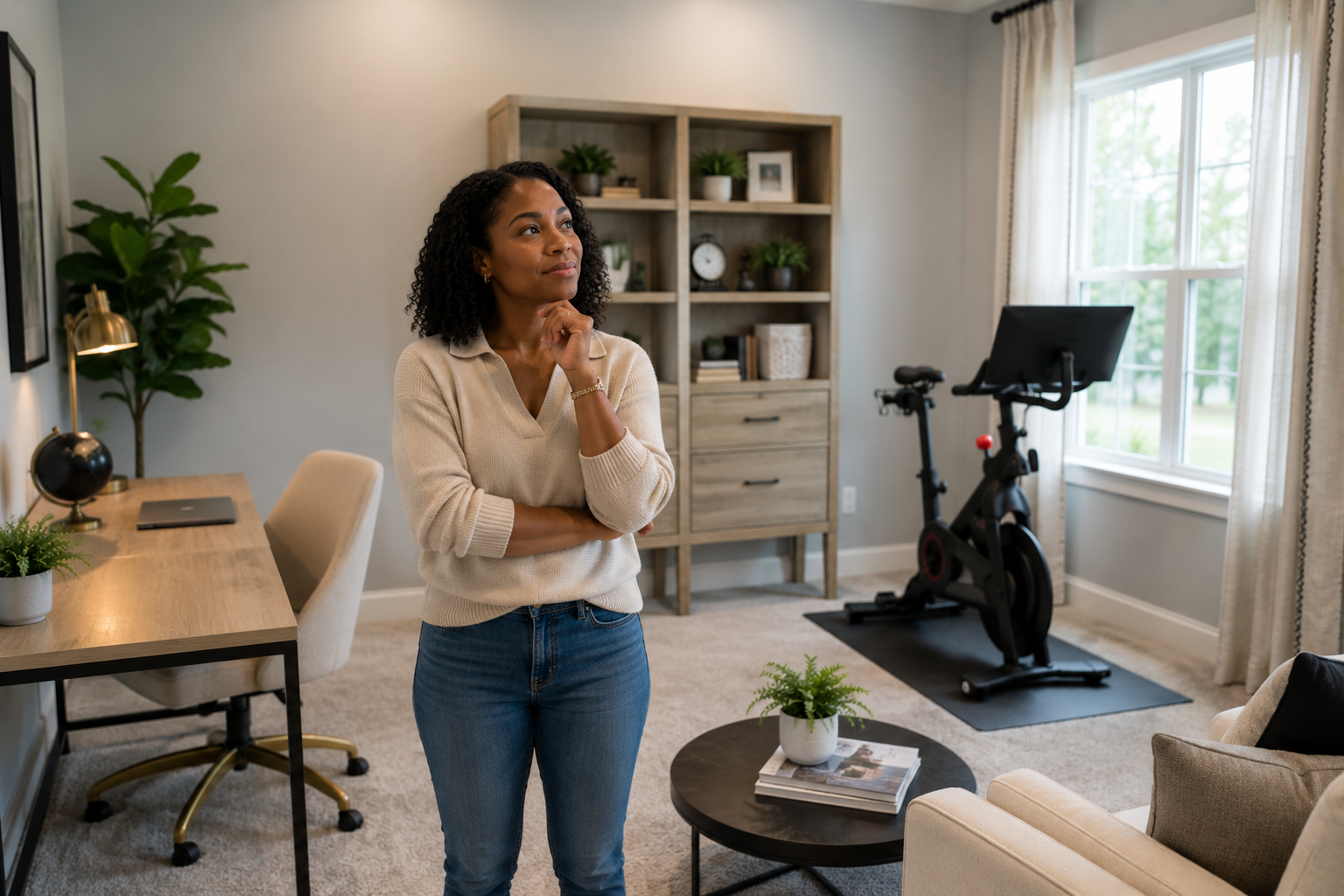
A first-time buyer was touring newer homes throughout Greenville and initially believed more space was always better.
Every floorplan she selected online included additional rooms.
A loft.
A flex room.
A bonus room.
A study.
The larger the home, the more appealing it seemed.
Then she toured several builder model homes over the course of a weekend.
The homes were beautiful.
The kitchens felt open and inviting.
The natural light was incredible.
The layouts felt modern and functional.
Yet something unexpected happened.
As she walked through one of the larger homes, she stopped in a flex room and looked around.
Then she asked:
"What would we actually do with this room?"
Nobody immediately had an answer.
A few rooms later she asked the same question again.
Then again.
Eventually she laughed and said:
"I think I like the idea of these rooms more than I like actually using them."
It was an honest observation.
She wasn't criticizing the home.
She was beginning to understand her lifestyle.
For the first time, she wasn't comparing square footage.
She was imagining daily life.
Where would they spend most evenings?
Which rooms would become part of their routine?
Which spaces would truly add value?
That shift helped everything feel less overwhelming.
What Can Help
If you're worried about choosing rooms you may never use, it can help to focus on your current habits instead of hypothetical future scenarios.
Think About How You Live Today
Ask yourself:
• Where do I spend most of my time?
• How often do I entertain?
• Do I work from home?
• What activities happen regularly?
• Which rooms do I use every day?
The answers often reveal more than buyers expect.
Imagine an Ordinary Week
Many buyers naturally imagine holidays and special occasions.
It can also help to imagine:
• weekday mornings
• weeknight dinners
• working from home
• relaxing after work
• weekend routines
• hosting friends
The strongest floorplans often support these ordinary moments.
Understand the Difference Between Flexibility and Necessity
Flexible rooms can absolutely provide value.
A home office.
A hobby space.
A guest room.
A workout area.
These spaces can be wonderful additions.
The question isn't whether they have value.
The question is whether they support your lifestyle.
Evaluate Functionality Alongside Beauty
Beautiful homes deserve appreciation.
Inviting kitchens.
Natural light.
Thoughtful finishes.
Welcoming gathering spaces.
Flexible layouts.
These features help buyers imagine a future they feel excited about.
The goal isn't to ignore those reactions.
The goal is understanding how the home supports everyday living.
Enjoy the beauty.
Understand the lifestyle.
Appreciate the finishes.
Evaluate the functionality.
The strongest home-buying decisions often balance all four.
Once buyers begin thinking about whether they'll actually use every room, the next question naturally becomes how to choose between spaces that serve different purposes. Understanding the long-term value of a guest room versus a flex room can make that decision much clearer.
Common Things That Trip Buyers Up
• Assuming bigger is automatically better
• Paying for space they may never use
• Comparing square footage instead of functionality
• Focusing only on future possibilities
• Ignoring current lifestyle habits
• Feeling pressure to maximize every room
• Looking for a perfect floorplan
FAQ
Is it bad to have rooms I don't use every day?
Not necessarily. Some buyers appreciate having flexible space available when needed. The key is understanding whether the space supports your lifestyle.
Are flex rooms worth it?
Many buyers find flex rooms valuable because they can adapt over time. Others prefer to prioritize spaces they know they'll use regularly.
Should I buy a larger home for future needs?
Some buyers consider future flexibility, but it can also help to evaluate how the home supports your current life.
How do I know if a room will be useful?
Many buyers find clarity by imagining ordinary days instead of special occasions or hypothetical future scenarios.
Final Thoughts
Many buyers in Greenville worry about choosing rooms they may never use because they want to feel confident in their decision.
That's understandable.
Buying a home is exciting, but it can also feel overwhelming.
Especially when newer homes offer so many possibilities.
Beautiful homes naturally create excitement.
Inviting kitchens.
Natural light.
Thoughtful finishes.
Open-concept layouts.
Flexible living spaces.
Welcoming outdoor areas.
These features help buyers imagine a future they feel excited about.
They matter.
At the same time, functionality shapes everyday life.
A room doesn't create value simply because it exists.
A room creates value when it supports your routines, goals, and lifestyle.
The goal isn't choosing the home with the most rooms.
The goal is choosing the home that works best for how you actually live.
When buyers focus on both beauty and functionality, decisions often become much easier.
This article is for general informational purposes only.
Work With Charlene
Charlene Vandaele is a real estate agent with Fathom Realty in Greenville, South Carolina helping first-time home buyers navigate new construction and newer homes with clarity and confidence.
864-345-9076
Quick Recap
• Many buyers worry about paying for rooms they may rarely use
• Extra rooms aren't automatically valuable if they don't support your lifestyle
• Daily routines often reveal which spaces matter most
• Beautiful design and functionality should work together
• The best floorplan is usually the one that supports how you actually live