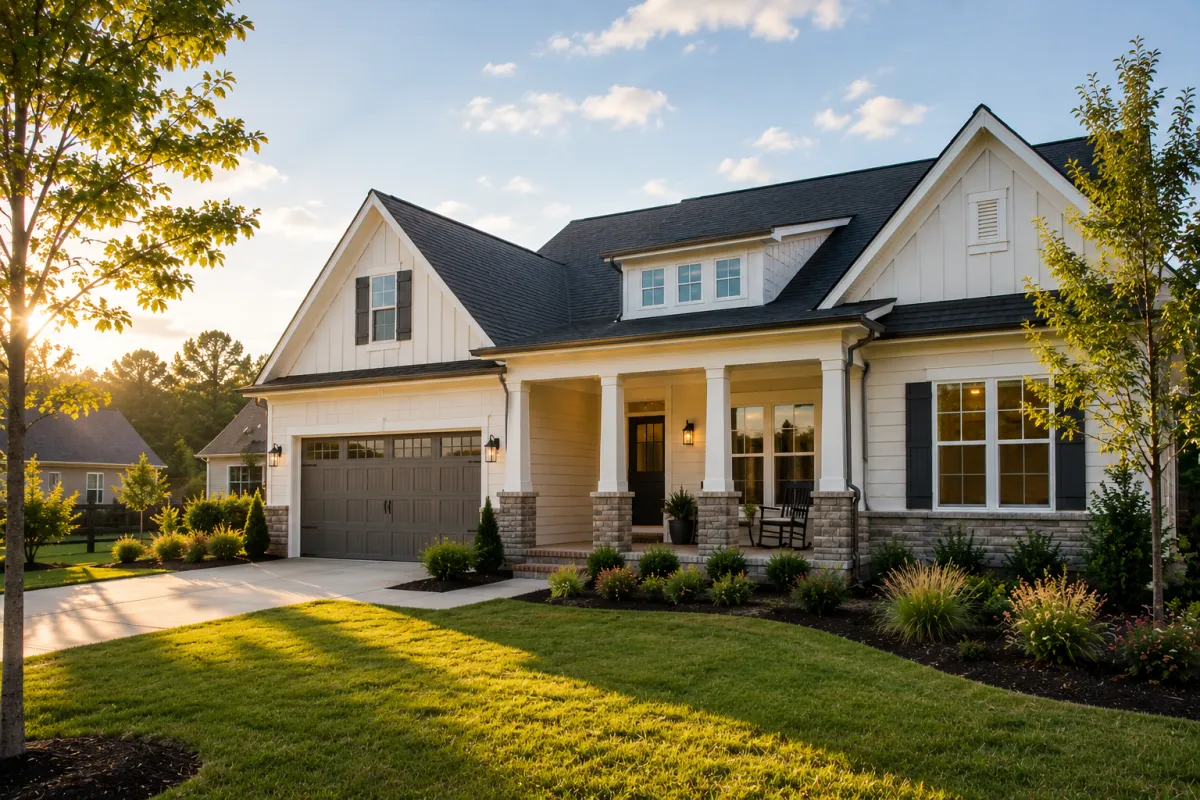
Why Do Buyers in Greenville, South Carolina Worry About Choosing a Home That Only Works for Right Now?
At First Glance
Many buyers in Greenville, South Carolina worry about choosing a home that only works for right now because buying a home feels like a decision that could affect years of their future.
At first, buyers often focus on current needs.
The right number of bedrooms.
A beautiful kitchen.
A comfortable layout.
A reasonable commute.
Then another thought starts creeping in.
"What if life changes?"
For many first-time buyers, that question creates more stress than almost any feature comparison.
Why This Matters
One thing many first-time buyers start noticing during the home search process is that they're not just buying for today's version of themselves.
They're trying to make a decision for a future they can't fully predict.
That's a difficult position to be in.
Life changes.
Careers change.
Relationships change.
Families grow.
Hobbies evolve.
Work-from-home situations appear unexpectedly.
Pets arrive.
Parents age.
New priorities emerge.
A lot of buyers begin realizing that what feels perfect today may not feel perfect five years from now.
That's why this concern often shows up when buyers tour newer homes and builder communities throughout Greenville.
The homes are beautiful.
The kitchens feel inviting.
Large windows create beautiful natural light throughout the day.
Open-concept layouts feel welcoming and connected.
Flexible spaces offer possibilities.
Thoughtful storage helps reduce clutter.
Outdoor living areas create opportunities for relaxation and gathering.
These features naturally create excitement.
And they should.
Beauty is an important part of the home-buying experience.
But during tours, buyers sometimes begin asking a different question:
"Will this home still work for me later?"
That's where uncertainty often begins.
Something that can surprise buyers is that they're rarely looking for a perfect prediction of the future.
They're simply looking for confidence that the home can adapt as life evolves.
A Real Moment During the Buying Process
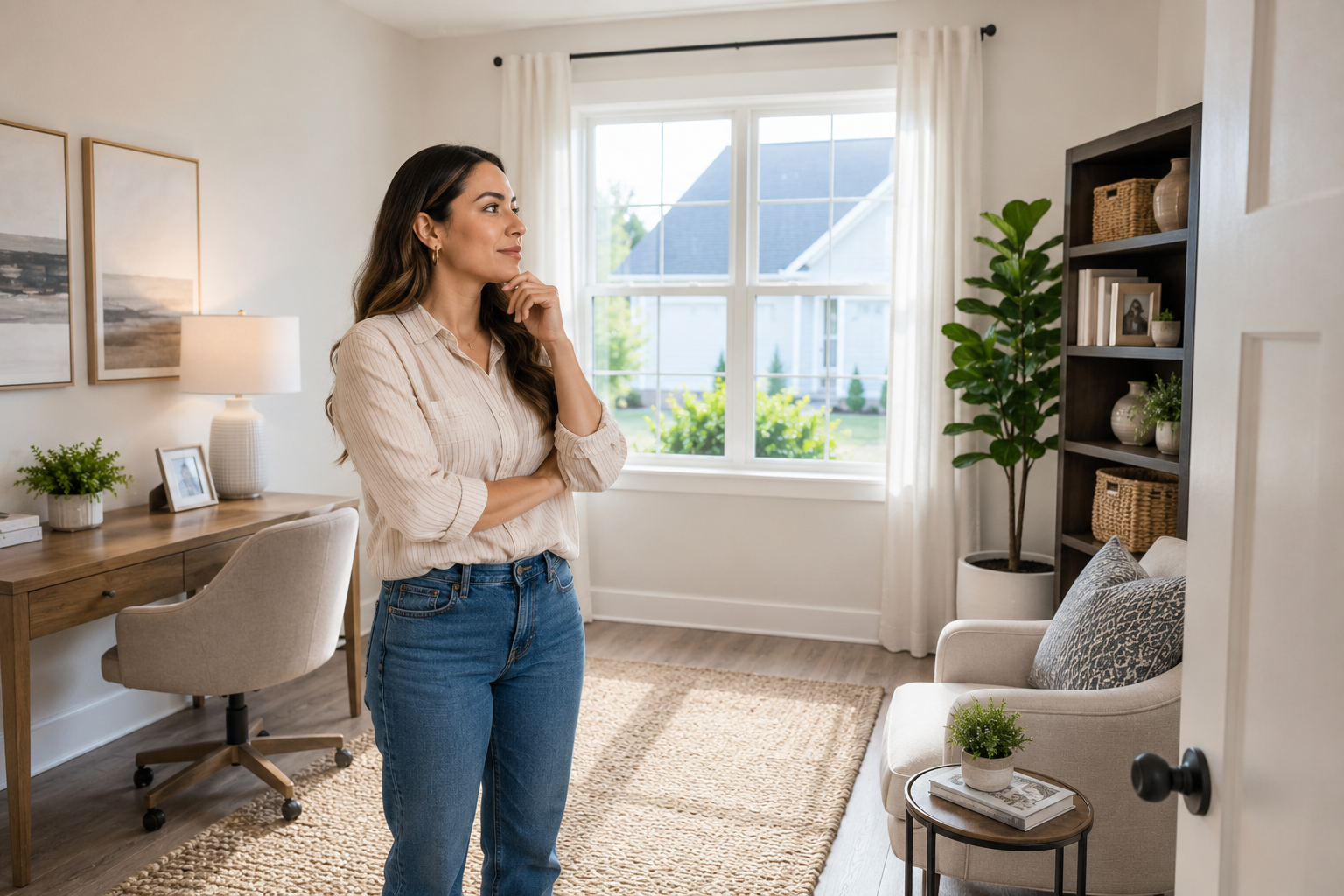
A buyer searching for a newer home in Greenville had finally found a property she loved.
The kitchen was exactly what she wanted.
The layout felt bright and functional.
Natural light filled the living spaces.
The finishes felt modern and welcoming.
The community seemed like a great fit.
Everything looked positive.
Then she stepped into one of the secondary bedrooms and paused.
After a moment she quietly asked:
"What if this doesn't work later?"
At first, the question seemed unexpected.
The home met almost every requirement she had originally listed.
As the conversation continued, however, it became clear what she meant.
She wasn't talking about the room.
She was talking about her future.
What if she started working from home?
What if she wanted more storage?
What if her family situation changed?
What if her needs looked completely different five years from now?
Finally she sighed and said:
"I just don't want to make the wrong decision."
That feeling is incredibly common.
The fear wasn't about the home.
The fear was about uncertainty.
Many buyers eventually realize they aren't searching for a home that solves every future problem.
They're searching for a home that provides flexibility and room to grow.
What Can Help
If you're worried about choosing a home that only works for right now, it can help to focus on adaptability instead of perfection.
Look for Flexible Spaces
Many newer homes include spaces that can evolve over time.
Examples include:
• flex rooms
• bonus rooms
• loft areas
• guest rooms
• home offices
The exact purpose may change, but the flexibility remains valuable.
Think About Lifestyle Rather Than Specific Events
Instead of trying to predict every future change, ask:
• How do I want daily life to feel?
• Does the home support comfort and functionality?
• Can routines evolve here?
• Does the layout offer options?
Lifestyle often matters more than precise forecasting.
Evaluate Storage Carefully
One thing buyers sometimes underestimate is the value of storage.
Thoughtful storage can help a home adapt as life changes.
Consider:
• closets
• garage space
• pantry storage
• linen storage
• organization opportunities
Storage often becomes more important over time.
Pay Attention to Layout
Beautiful finishes attract attention.
Functionality shapes daily life.
Ask:
• Does the kitchen flow well?
• Can the living spaces adapt?
• Is there room for future needs?
• Will the layout still feel practical later?
Enjoy the beauty.
Understand the lifestyle.
Appreciate the finishes.
Evaluate the functionality.
The strongest home-buying decisions often balance all four.
As buyers begin worrying about whether a home will continue meeting their needs in the future, many naturally start comparing locations as well. The conversation often expands beyond the home itself and toward finding the community that best supports the lifestyle they hope to build over the years ahead.
Common Things That Trip Buyers Up
• Trying to predict every future life event
• Assuming a home must be perfect forever
• Focusing only on current needs
• Ignoring flexibility within the floor plan
• Overlooking storage and functionality
• Comparing cosmetic features without evaluating usability
• Letting fear drive every decision
FAQ
Is it normal to worry about future lifestyle changes when buying a home?
Yes. Many first-time buyers find themselves thinking beyond their current situation and wondering how a home will fit future needs.
Can a newer home adapt as life changes?
Many newer homes are designed with flexible layouts, bonus spaces, and functional living areas that support evolving lifestyles.
Should buyers prioritize future needs over current needs?
Most buyers find it helpful to balance both. A home should work well today while also offering reasonable flexibility for tomorrow.
How can I feel more confident about my decision?
Many buyers gain confidence by focusing on functionality, adaptability, and everyday living rather than trying to predict every future possibility.
Final Thoughts
Many buyers in Greenville worry about choosing a home that only works for right now because they understand how important the decision feels.
A home isn't just about today's needs.
It's about future possibilities.
Beautiful kitchens.
Natural light.
Open-concept layouts.
Flexible spaces.
Thoughtful storage.
Welcoming outdoor living areas.
These features often attract buyers because they help them imagine a future they feel excited about.
The goal isn't finding a home that perfectly predicts every life change.
The goal is finding a home that can adapt alongside you.
When buyers focus on functionality, flexibility, and everyday living, they often discover that confidence becomes much easier to find.
This article is for general informational purposes only.
Work With Charlene
Charlene Vandaele is a real estate agent with Fathom Realty in Greenville, South Carolina helping first-time home buyers navigate new construction and newer homes with clarity and confidence.
864-345-9076
Quick Recap
• Many buyers worry about whether a home will fit future needs
• Flexible layouts often provide long-term value
• Storage and functionality matter more than many buyers initially realize
• Beautiful design and adaptability can work together
• The best homes support both today's lifestyle and tomorrow's possibilities