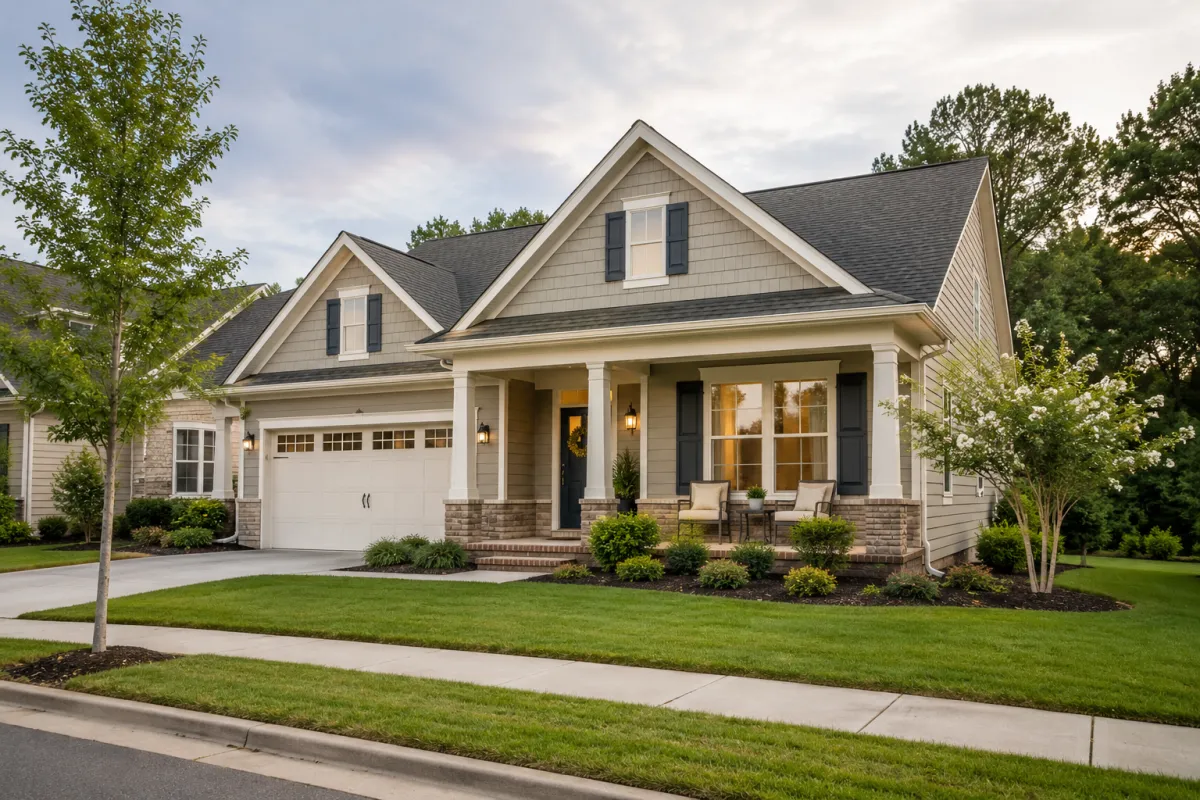
Why Do Buyers in Greenville, South Carolina Worry About Choosing a Home That Feels Too Small?
At First Glance
Many buyers in Greenville, South Carolina worry about choosing a home that feels too small because they're afraid of making a decision they'll regret later.
At first, the concern sounds practical.
Will we have enough room?
What if our needs change?
What if we outgrow the home faster than we expect?
But underneath those questions is often something deeper.
Many first-time buyers are trying to balance today's budget with tomorrow's unknowns.
And that can create a lot of uncertainty.
Why This Matters
One thing many first-time buyers start noticing is that buying a home requires making decisions about a future they can't fully predict.
That's not always easy.
Many buyers begin their search thinking bigger automatically means better.
More square footage feels safer.
More bedrooms feel safer.
More storage feels safer.
But during the search process, buyers sometimes discover that size alone doesn't determine whether a home will support their life well.
That's especially true when looking at newer homes and new construction communities in Greenville.
Many newer homes are intentionally designed around functionality rather than simply maximizing square footage.
Features such as:
* open-concept living spaces
* larger kitchen islands
* flexible bonus rooms
* walk-in pantries
* thoughtful storage
* natural light
* covered outdoor living areas
can often make a home feel more usable than buyers initially expect.
Something that can surprise buyers is that a well-designed home sometimes lives much larger than the square footage suggests.
At the same time, the fear is understandable.
Buying a home is a major decision.
Many buyers find themselves wondering:
* What if we have children?
* What if family visits more often?
* What if we start working from home?
* What if we need more space later?
Those concerns are normal.
Most buyers aren't really afraid of a smaller home.
They're afraid of making the wrong choice.
A Real Moment During the Buying Process
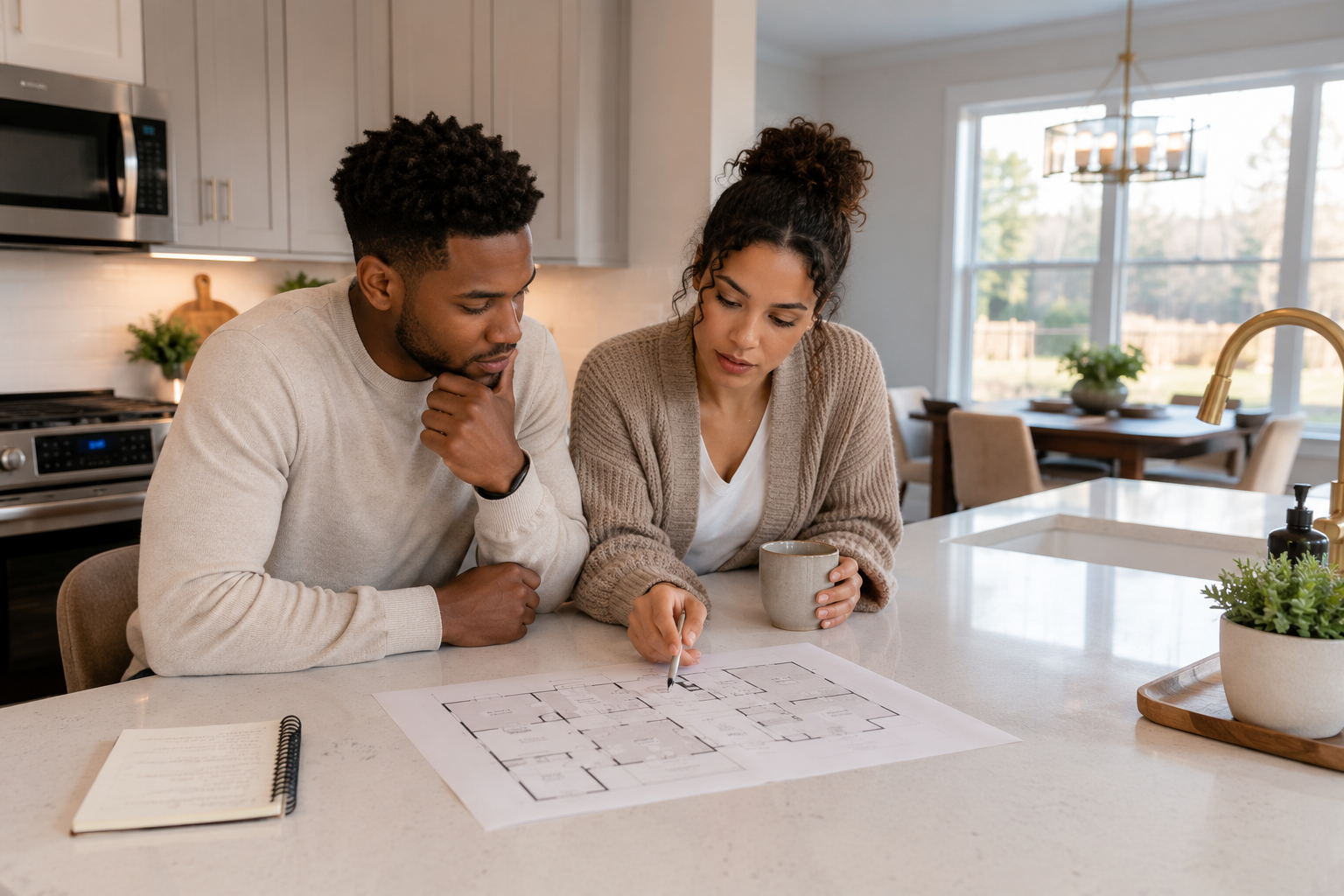
One thing that can happen during tours is that buyers begin comparing possibilities rather than homes.
I remember showing newer homes in Greenville to buyers who were carefully evaluating their options.
They had found a home they genuinely liked.
The layout worked well.
The location made sense.
The price fit comfortably within their budget.
But they kept coming back to the same concern.
"What if it's too small?"
As we walked through the home, they began imagining future scenarios.
Future children.
Future hobbies.
Future guests.
Future needs.
Eventually one buyer paused and said:
"I just don't want to mess this up."
That statement had very little to do with square footage.
It was about uncertainty.
The buyers weren't struggling to evaluate the home.
They were struggling to predict the future.
And that's something many first-time buyers experience.
The challenge is that no home can perfectly solve every future possibility.
At some point, buyers have to focus on whether a home supports the life they're building right now while still providing reasonable flexibility for the future.
What Can Help
If you're worried about choosing a home that feels too small, a few things can help create clarity.
Focus on Functionality First
Instead of asking only:
"How big is it?"
Consider asking:
* How does the layout flow?
* Is there enough storage?
* Does the kitchen function well?
* Are the spaces flexible?
Functionality often matters more than buyers expect.
Think About Realistic Future Needs
It's natural to think ahead.
But some buyers accidentally design their search around every possible future scenario.
Try focusing on:
* likely needs
* realistic lifestyle goals
* current priorities
Rather than planning for every possibility.
Pay Attention to Storage
Storage can significantly impact how spacious a home feels.
Look for:
* walk-in closets
* pantry space
* garage storage
* linen closets
* flexible storage solutions
A thoughtfully designed home often feels more comfortable over time.
Consider Outdoor Living
Many newer homes include outdoor spaces that extend everyday living.
Features such as:
* covered patios
* fenced yards
* community green spaces
* walking trails
can create additional usable space beyond the interior footprint.
Imagine Daily Life
Ask yourself:
* Will this home support our routines?
* Can we comfortably host family?
* Does this fit how we actually live?
The answers are often more useful than focusing on square footage alone.
As buyers start worrying about whether a home feels too small, many find themselves comparing multiple priorities at once. More space sounds appealing, but so do affordability, functionality, and long-term comfort. That's often when the search begins feeling more mentally overwhelming.
Common Things That Trip Buyers Up
* Assuming bigger automatically means better
* Planning for unlikely future scenarios
* Ignoring functionality
* Underestimating storage
* Comparing only square footage
* Focusing on fear instead of daily life
* Overlooking flexible layouts
* Letting uncertainty drive decisions
* Forgetting budget comfort matters
* Expecting a perfect solution
FAQ
Is it normal to worry about buying a home that's too small?
Absolutely. Many first-time buyers worry about future needs and whether they'll have enough space long-term.
Does a larger home always provide a better experience?
Not necessarily. Functionality, layout, storage, and usability often have a major impact on daily life.
Are newer homes designed differently?
Many newer homes prioritize flexible living spaces, open layouts, storage, and practical functionality.
How do I know if a home is the right size?
Many buyers find it helpful to focus on how the home supports their current lifestyle while allowing reasonable flexibility for future changes.
Final Thoughts
Many buyers in Greenville, South Carolina worry about choosing a home that feels too small because they want to make a smart decision that supports their future.
That's understandable.
Buying a home involves balancing today's reality with tomorrow's possibilities.
The good news is that size is only one part of the equation.
A thoughtfully designed newer home can often provide more comfort, functionality, and flexibility than buyers initially expect.
Instead of focusing solely on square footage, it can help to focus on how the home supports everyday life.
Because in the end, a home isn't measured only by its size.
It's measured by how well it supports the life you're trying to build.
This article is for general informational purposes only.
Work With Charlene
Charlene Vandaele is a real estate agent with Fathom Realty in Greenville, South Carolina helping first-time home buyers navigate new construction and newer homes with clarity and confidence.
864-345-9076
Quick Recap
* Many buyers worry about choosing a home that feels too small
* The fear is often about future uncertainty
* Functionality matters as much as square footage
* Newer homes often maximize usable space
* Storage and layout deserve close attention
* Daily life is more important than hypothetical scenarios
* Confidence grows when buyers focus on how a home supports their real needs