Why Do Buyers in Greenville, South Carolina Worry About Choosing a Home That Adds More Stress?
At First Glance
Many buyers in Greenville, South Carolina worry about choosing a home that adds more stress because buying a home is one of the biggest decisions they'll ever make.
For first-time buyers especially, there's often a quiet fear underneath the excitement.
What if we choose the wrong house?
What if we overlook something important?
What if this home creates more problems than peace?
A lot of buyers aren't just looking for a place to live.
They're looking for stability.
Comfort.
A fresh start.
And when a home is supposed to make life better, the idea of accidentally making life harder can feel overwhelming.
Why This Matters
One thing many first-time buyers start noticing is that homes aren't just collections of features.
They're where daily life happens.
That's why buyers often find themselves worrying about things that go beyond square footage and finishes.
They start asking questions such as:
* Will this layout work for us?
* Will the home feel crowded after a year?
* Is there enough storage?
* Will the commute create stress?
* Will we regret choosing this neighborhood?
* Are we overlooking something important?
These concerns are completely understandable.
Many newer homes and builder communities throughout Greenville are designed with modern living in mind.
Open-concept layouts.
Flexible spaces.
Walk-in pantries.
Covered patios.
Additional storage.
Natural light.
Functional kitchens.
Those features aren't simply nice additions.
They often affect how comfortable everyday life feels.
Something that can surprise buyers is that stress doesn't always come from major problems.
Sometimes it comes from small frustrations that happen repeatedly.
A kitchen that feels cramped.
A lack of storage.
Poor traffic flow.
Limited outdoor space.
Parking challenges.
A home doesn't have to be "bad" to create stress.
It simply may not align with how someone lives.
That's why so many buyers spend time worrying about making the wrong choice.
They're not necessarily afraid of buying a home.
They're afraid of buying a home that doesn't support their life.
A Real Moment During the Buying Process
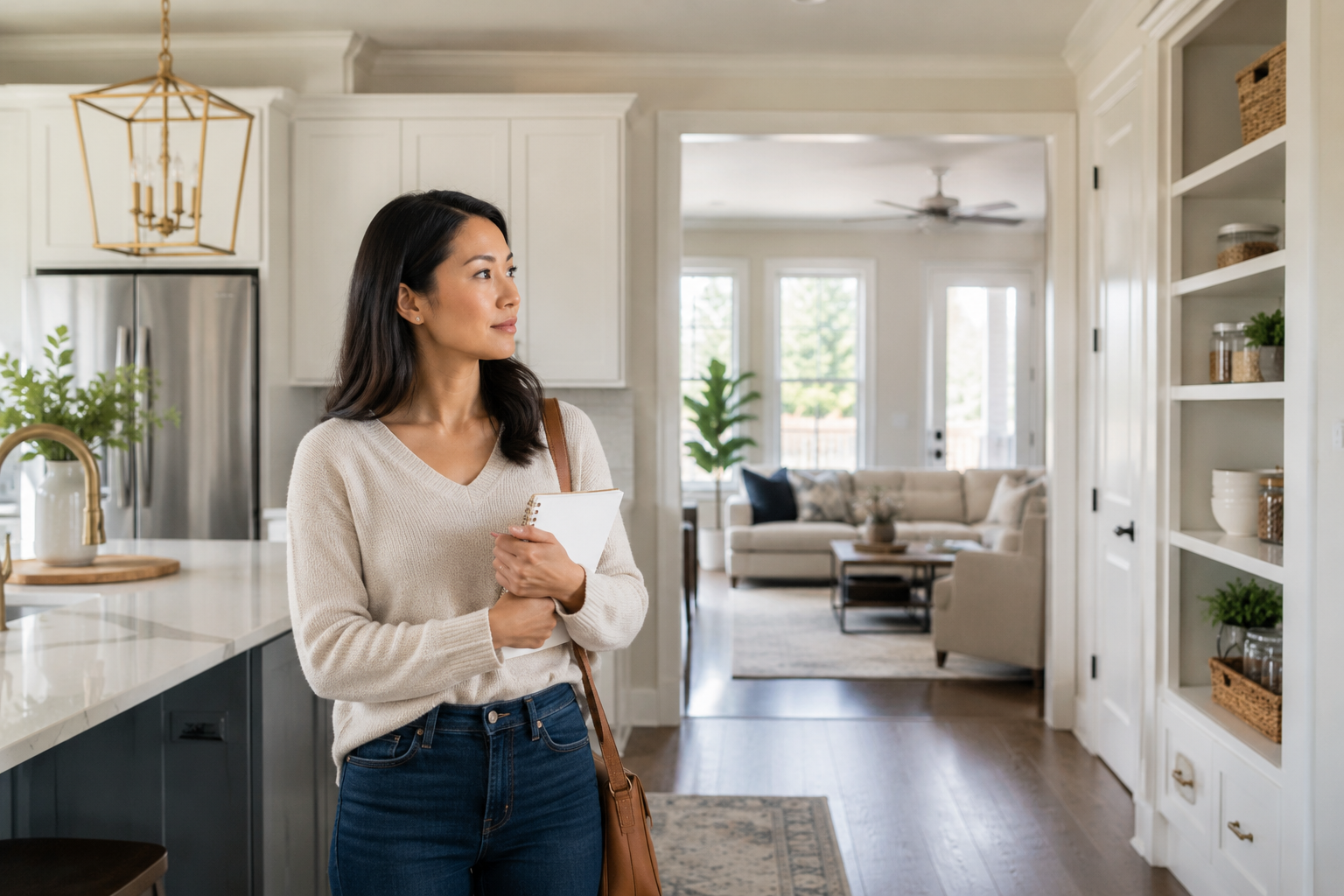
One thing that can happen during home tours is that buyers begin imagining life after move-in.
I remember speaking with a first-time buyer who was exploring newer homes in Greenville.
The home checked many boxes.
The finishes were beautiful.
The location seemed promising.
The price felt manageable.
But something still felt off.
As we walked through the home, she paused in the kitchen and looked around.
Then she quietly said:
"I just don't want to mess this up."
The concern wasn't really about the countertops.
Or the flooring.
Or even the house itself.
She was thinking about daily life.
Would cooking feel easy here?
Would the layout work for entertaining?
Would she feel comfortable after the excitement of closing faded?
Those are the types of questions many buyers begin asking.
Because at some point, buyers stop evaluating a house and start imagining what life inside that house might actually feel like.
What Can Help
If you're worried about choosing a home that could add stress to your life, a few things can help create clarity.
Think Beyond the Tour
Many buyers focus heavily on what they see during a showing.
Instead, try imagining a normal Tuesday.
Ask yourself:
* Where would groceries go?
* How would mornings feel?
* Is there enough storage?
* How would guests move through the space?
* Would daily routines feel easier or harder?
Focus on Functionality
Beautiful homes can absolutely matter.
But functionality matters too.
Pay attention to:
* kitchen flow
* storage space
* laundry location
* parking
* outdoor living areas
* flexible rooms
* natural light
These features often influence everyday comfort.
Picture Future Life Stages
Many first-time buyers focus on current needs.
It can also help to think about:
* future family plans
* pets
* working from home
* hobbies
* long-term usability
A home that supports future needs often creates more peace of mind.
Trust How the Home Feels
While practical considerations matter, buyers sometimes overlook something important.
Their own reaction.
Some homes simply feel easier to imagine living in.
That doesn't mean making emotional decisions.
It means paying attention to whether the home feels aligned with your lifestyle.
Ask One Question
When evaluating any home, ask:
"How will this home support everyday life?"
That question often reveals more than a feature list ever could.
As buyers start worrying about whether a home will truly support their lifestyle, another challenge often appears.
The more options they explore, the harder the decision can feel.
What began as uncertainty can gradually turn into information overload.
That's where many buyers find themselves next.
Common Things That Trip Buyers Up
* Focusing only on appearance
* Ignoring daily routines
* Underestimating storage needs
* Thinking only about today's lifestyle
* Comparing homes solely by square footage
* Overlooking commute patterns
* Assuming newer automatically means better
* Feeling rushed to decide
* Letting fear drive every decision
* Forgetting to evaluate functionality
FAQ
Is it normal to worry about choosing the wrong home?
Yes. Many first-time buyers worry about making a major financial and lifestyle decision. Those concerns are often a normal part of the process.
How can I tell if a home will fit my lifestyle?
Many buyers find it helpful to think through everyday routines instead of focusing only on finishes and features.
Are newer homes less stressful than older homes?
Not necessarily. Many buyers appreciate the functionality and modern layouts found in newer homes, but the best home is the one that supports your specific needs.
What should I focus on during a tour?
Beyond appearance, consider storage, layout flow, lighting, parking, outdoor space, and how daily life might function inside the home.
Final Thoughts
Many buyers in Greenville worry about choosing a home that adds more stress because they care deeply about creating a stable and comfortable future.
That's understandable.
Buying a home isn't just about finding a property.
It's about finding a place where life feels manageable.
Comfortable.
Functional.
And supportive of your everyday routines.
The good news is that you don't have to predict every future challenge.
You simply need to focus on how the home will support the life you're building.
When buyers shift their attention from perfection to functionality, confidence often begins to grow.
And that's usually when the process starts feeling a little less stressful.
This article is for general informational purposes only.
Work With Charlene
Charlene Vandaele is a real estate agent with Fathom Realty in Greenville, South Carolina helping first-time home buyers navigate new construction and newer homes with clarity and confidence.
864-345-9076
Quick Recap
* Many buyers worry about choosing a home that adds stress
* Daily functionality often matters more than buyers expect
* Storage, layout, lighting, and flow can affect everyday comfort
* Newer homes often include features designed around modern living
* Thinking through routines can create clarity
* Perfection isn't the goal
* The best home is often the one that supports everyday life most naturally