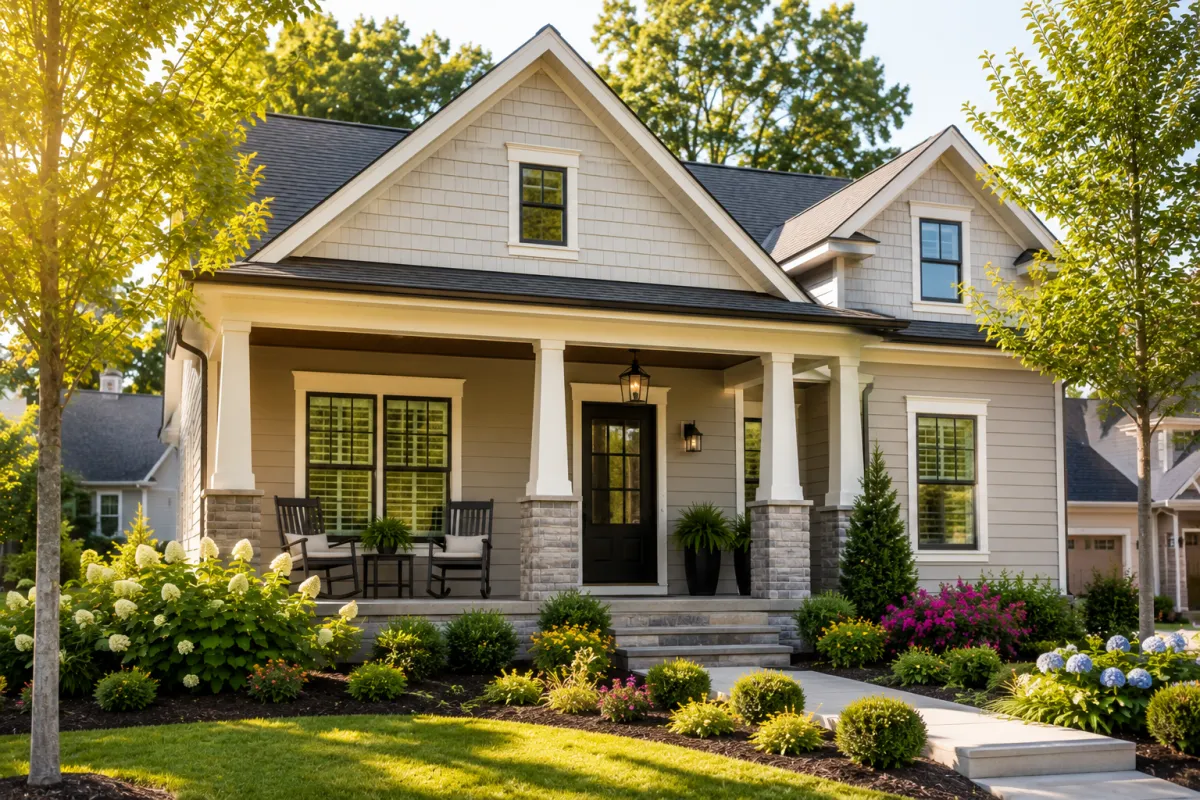
Why Do Buyers Emotionally Connect to Homes They Can Personalize?
At First Glance
Many buyers emotionally connect to homes they can personalize because those homes feel like possibilities instead of finished stories.
They walk through the front door and begin imagining their furniture.
Their routines.
Their style.
Their future.
At first, buyers often think they're reacting to the layout or finishes.
But something deeper is usually happening.
They're starting to picture themselves living there.
That's often when emotional attachment begins.
Why This Matters
One thing many first-time buyers start noticing is that buying a home isn't simply about finding a place to live.
It's about finding a place that feels like it could become theirs.
Many newer homes throughout Greenville and nearby Simpsonville communities are intentionally designed to create that feeling.
The kitchen feels inviting.
The large windows create beautiful natural light throughout the day.
The open-concept living spaces feel welcoming.
The finishes feel attractive and thoughtfully selected.
The storage feels practical and intentional.
The outdoor spaces feel comfortable and usable.
Beautiful homes naturally create excitement.
Those emotional reactions matter.
Buying a home should feel exciting.
The goal isn't to ignore those feelings.
The goal is understanding why they happen.
Something that can surprise buyers is that emotional attachment often grows when they can see room for their own personality.
Not because they dislike beautiful design.
Because they want to feel included in the story of the home.
A lot of buyers begin realizing they're not simply evaluating a property.
They're imagining a future.
How will this home support everyday life?
How will this home feel to live in after move-in day?
Those questions often become more important than buyers expect.
A Real Moment During the Buying Process
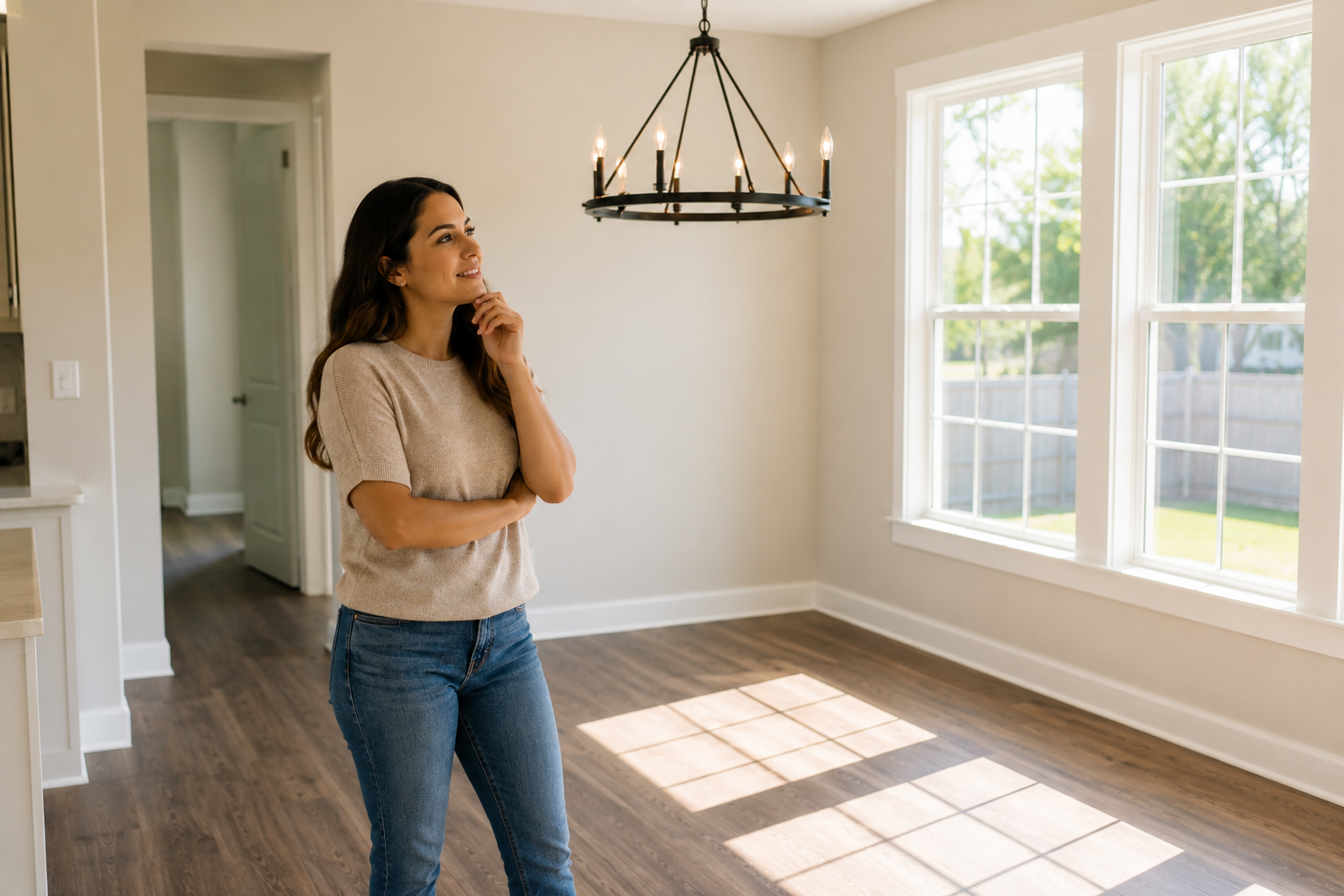
A first-time buyer was touring newer homes throughout Greenville after spending several weekends comparing builder communities and newer resale properties.
The homes were beautiful.
The kitchens felt bright and welcoming.
The large windows filled the living spaces with natural light.
The layouts felt functional and thoughtfully designed.
Everything looked great.
Yet one particular home stood out.
Not because it had the most upgrades.
Not because it was the largest.
Not because it had the fanciest finishes.
It stood out because she immediately started imagining changes.
As she walked through the home, she began talking out loud.
"My dining table would fit here."
A few minutes later:
"I'd probably put a reading chair by this window."
Then:
"This room could become a home office."
The conversation continued throughout the tour.
For the first time, she wasn't evaluating features.
She was imagining life.
Eventually she smiled and said:
"I can actually picture us here."
It was a simple comment.
But it revealed something important.
The home wasn't just attractive.
The home felt personal.
Nothing had changed about the property.
What changed was her ability to imagine herself inside it.
That's often where emotional connection begins.
What Can Help
If you find yourself emotionally attached to homes you can personalize, it can help to understand what you're responding to.
Focus on Future Living
Ask yourself:
• Can I imagine my daily routine here?
• Does the layout support my lifestyle?
• Can I picture my furniture fitting comfortably?
• Does the space feel adaptable?
• Would the home still work as life changes?
The answers often reveal more than buyers expect.
Separate Beauty From Ownership
Beautiful design deserves appreciation.
The inviting kitchen.
The thoughtful finishes.
The attractive lighting.
The spa-like bathrooms.
The welcoming outdoor spaces.
Those features help buyers imagine a future they feel excited about.
At the same time, personalization creates ownership.
A buyer doesn't just want to admire the home.
They want to live in it.
Imagine Everyday Moments
Many buyers naturally focus on move-in day.
It can also help to picture:
• weekday mornings
• cooking dinner
• working from home
• relaxing after work
• spending time with family
• hosting friends
The strongest emotional connections often come from imagining ordinary life.
Appreciate Beauty and Functionality Together
Beautiful homes naturally attract attention.
Functionality shapes everyday life.
The goal isn't choosing one over the other.
The goal is understanding how they work together.
Enjoy the beauty.
Understand the lifestyle.
Appreciate the finishes.
Evaluate the functionality.
The strongest home-buying decisions often balance all four.
Once buyers begin imagining how they'll personalize a home, something interesting often happens—they stop thinking about the current owner and start picturing their own future. That naturally leads to another question:
Common Things That Trip Buyers Up
• Focusing only on finishes
• Comparing upgrades instead of functionality
• Letting someone else's style influence their decision
• Forgetting to imagine everyday life
• Assuming emotional attachment means losing objectivity
• Ignoring how the layout supports future needs
• Looking for perfection instead of fit
FAQ
Why do buyers become emotionally attached to certain homes?
Many buyers become attached when they can clearly imagine their future routines, lifestyle, and personality fitting into the space.
Is personalization important in newer homes?
For many buyers, yes. Even beautifully designed homes feel more meaningful when buyers can envision making them their own.
Should emotional connection influence a buying decision?
Many buyers consider emotional connection alongside practical factors such as layout, location, storage, and functionality.
Can a home feel personal before move-in day?
Absolutely. Many buyers begin imagining their future life in a home long before they receive the keys.
Final Thoughts
Many buyers emotionally connect to homes they can personalize because those homes feel full of possibility.
Not just ownership.
Possibility.
Beautiful homes naturally create excitement.
Inviting kitchens.
Natural light.
Thoughtful finishes.
Open-concept living spaces.
Welcoming outdoor areas.
These features help buyers imagine a future they feel excited about.
They matter.
At the same time, personalization creates emotional comfort.
The ability to imagine your furniture.
Your routines.
Your family.
Your future.
Those things matter too.
The goal isn't finding a perfectly finished home.
The goal is finding a home that supports the life you want to build.
When buyers balance beauty and practicality, emotion and logic, excitement and clarity, confidence often follows.
This article is for general informational purposes only.
Work With Charlene
Charlene Vandaele is a real estate agent with Fathom Realty in Greenville, South Carolina helping first-time home buyers navigate new construction and newer homes with clarity and confidence.
864-345-9076
Quick Recap
• Many buyers emotionally connect to homes they can personalize
• Personalization helps buyers imagine future routines and daily life
• Beautiful design and functionality should work together
• Emotional attachment often begins when buyers can picture themselves living in the home
• The strongest home-buying decisions balance excitement, practicality, and lifestyle fit
:::